







.jpg)

Design Inspiration
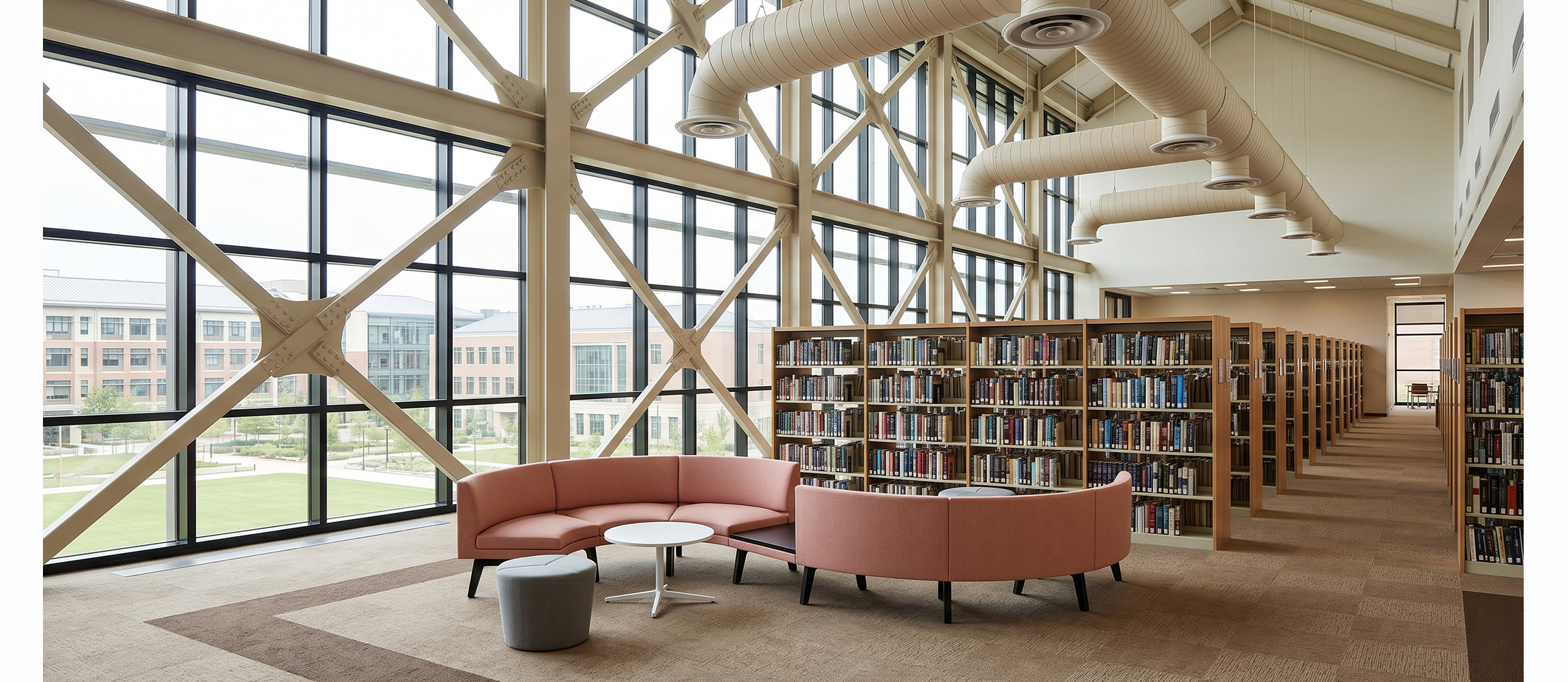
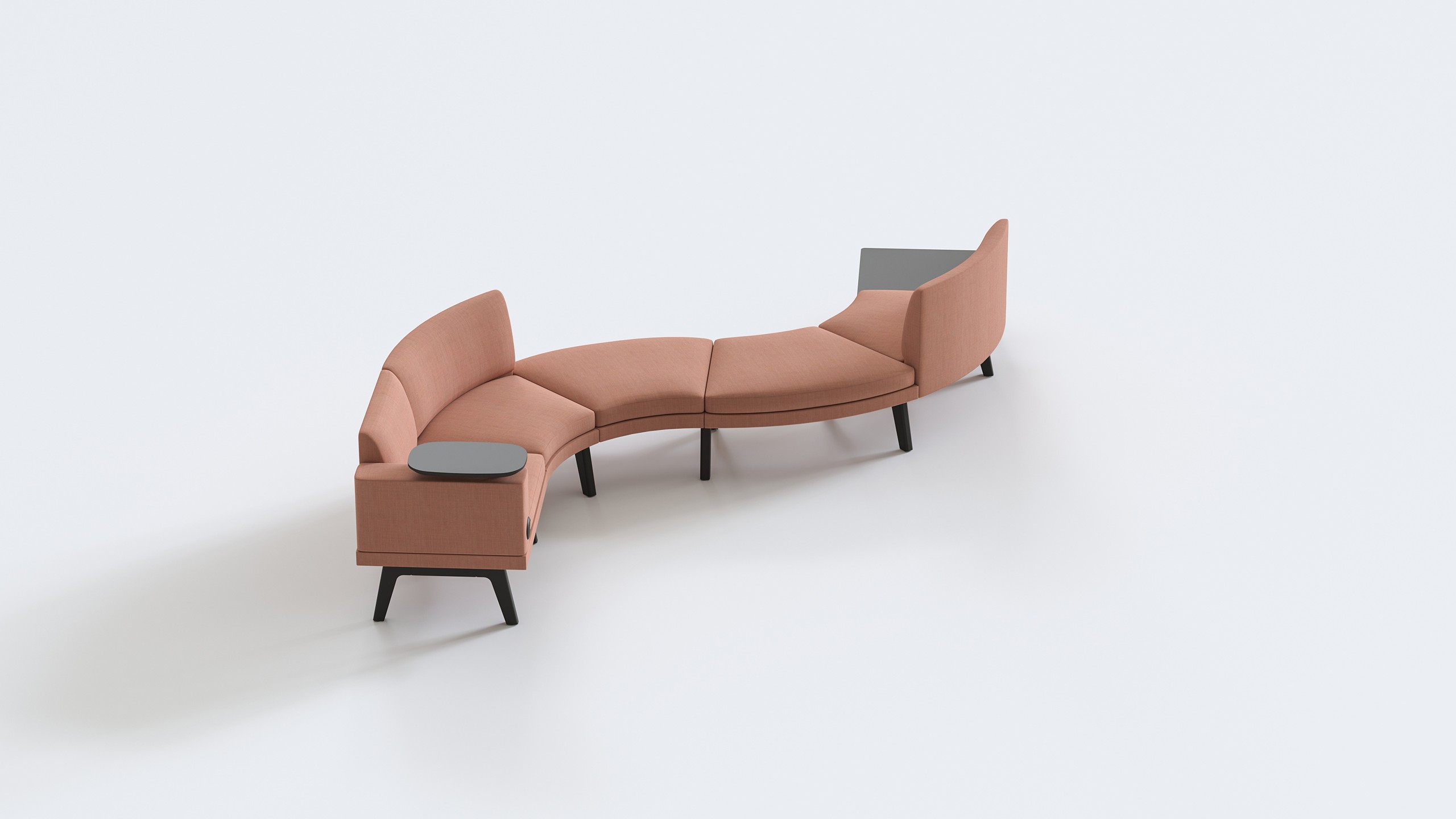
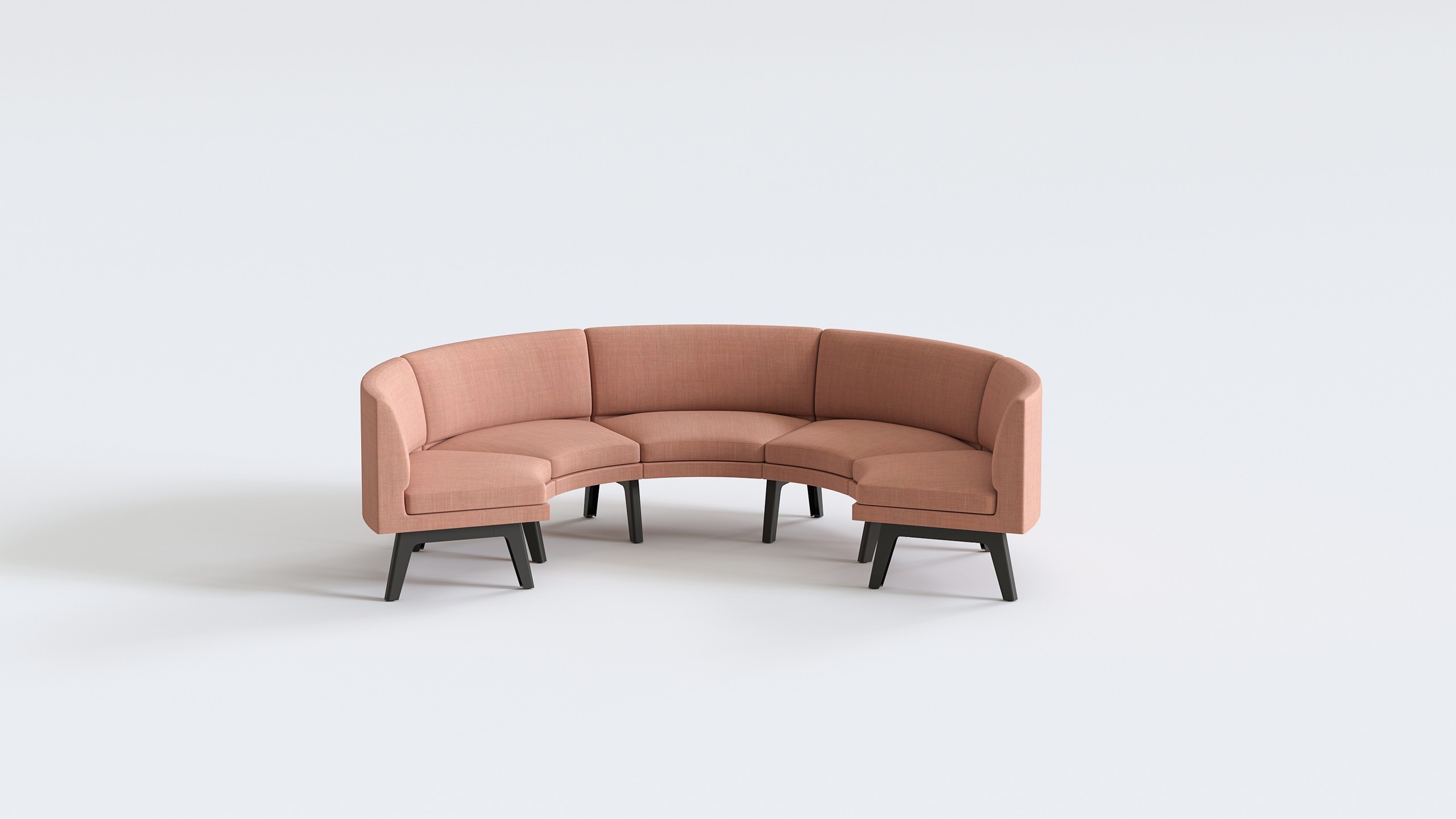
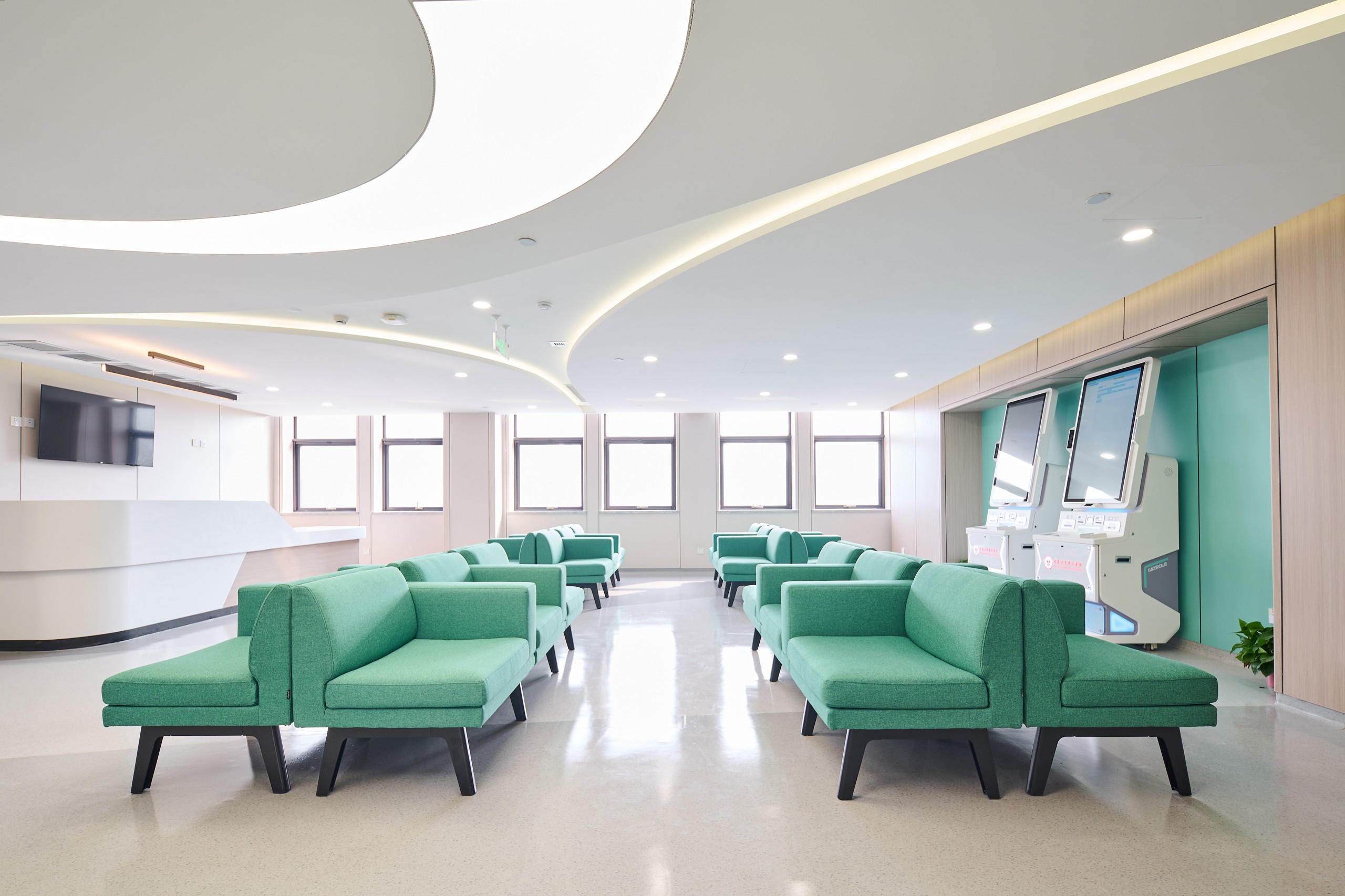
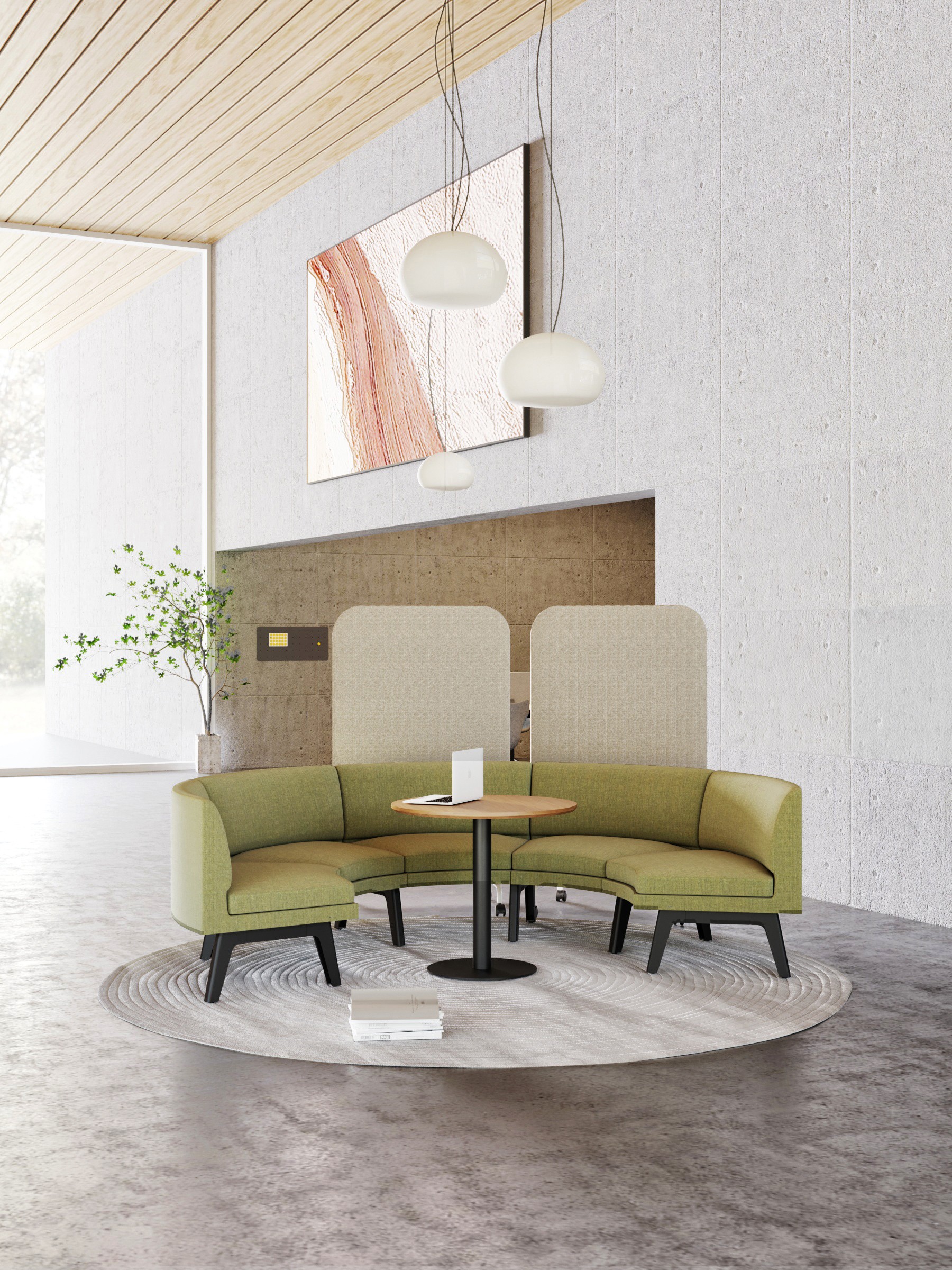
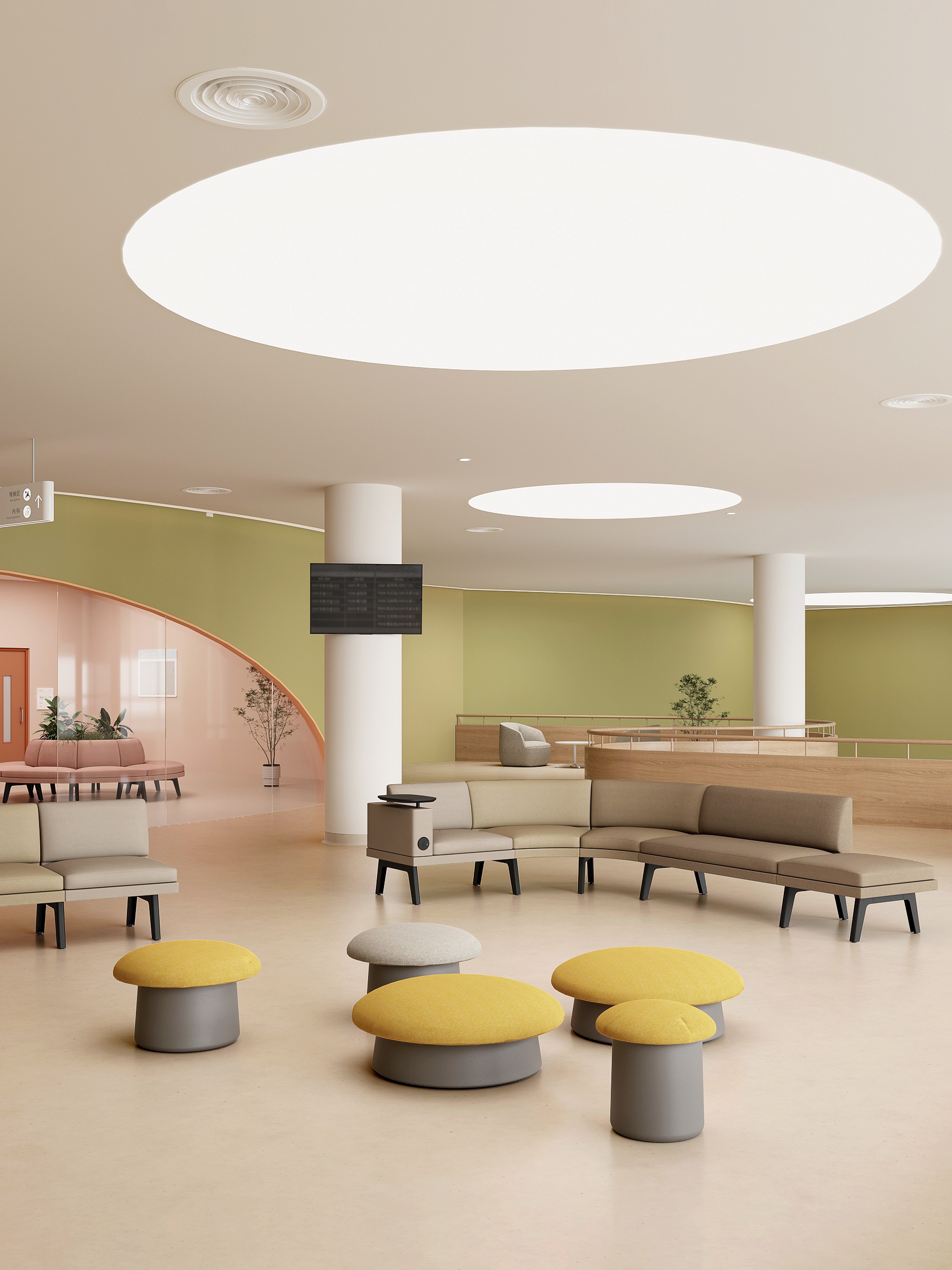
Public spaces are always in motion. Some people pass through, some pause briefly, and others begin a conversation through a chance encounter. Flow Sofa draws inspiration from these everyday patterns of movement, translating walking, turning, and stopping into soft curves. Its modules extend naturally along walls, corners, and open areas, creating places for waiting, conversation, or quiet time without interrupting circulation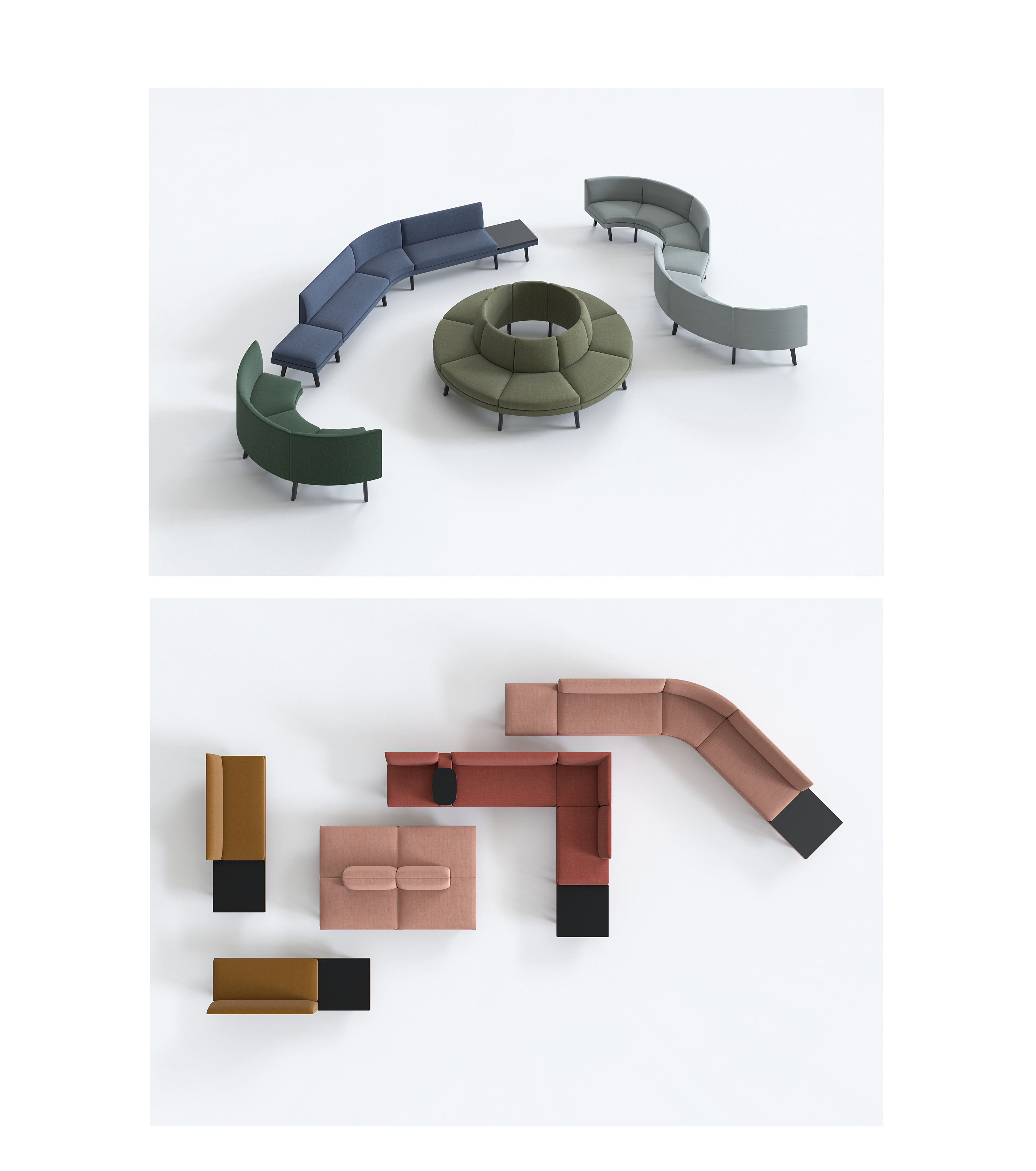
Scenario Pairing
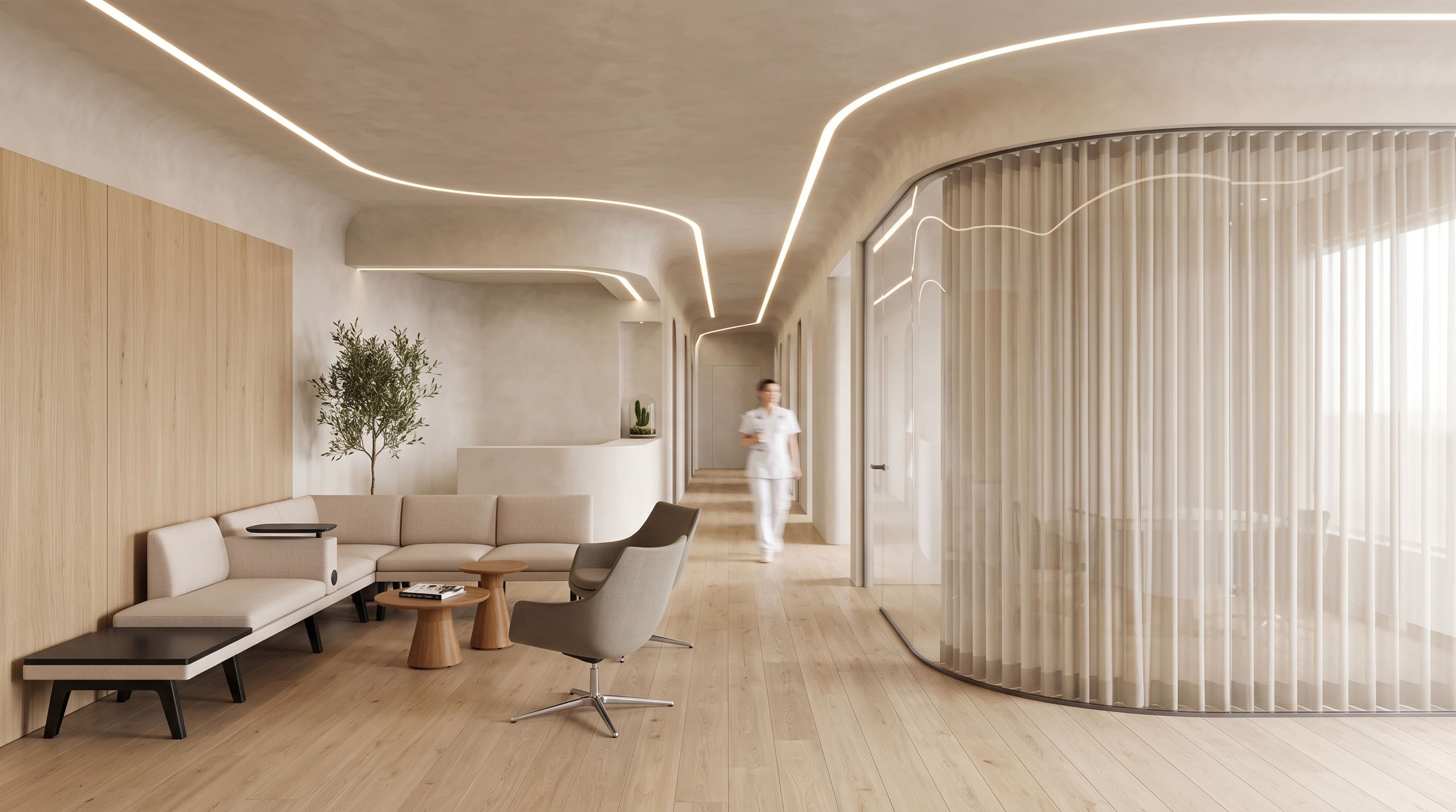
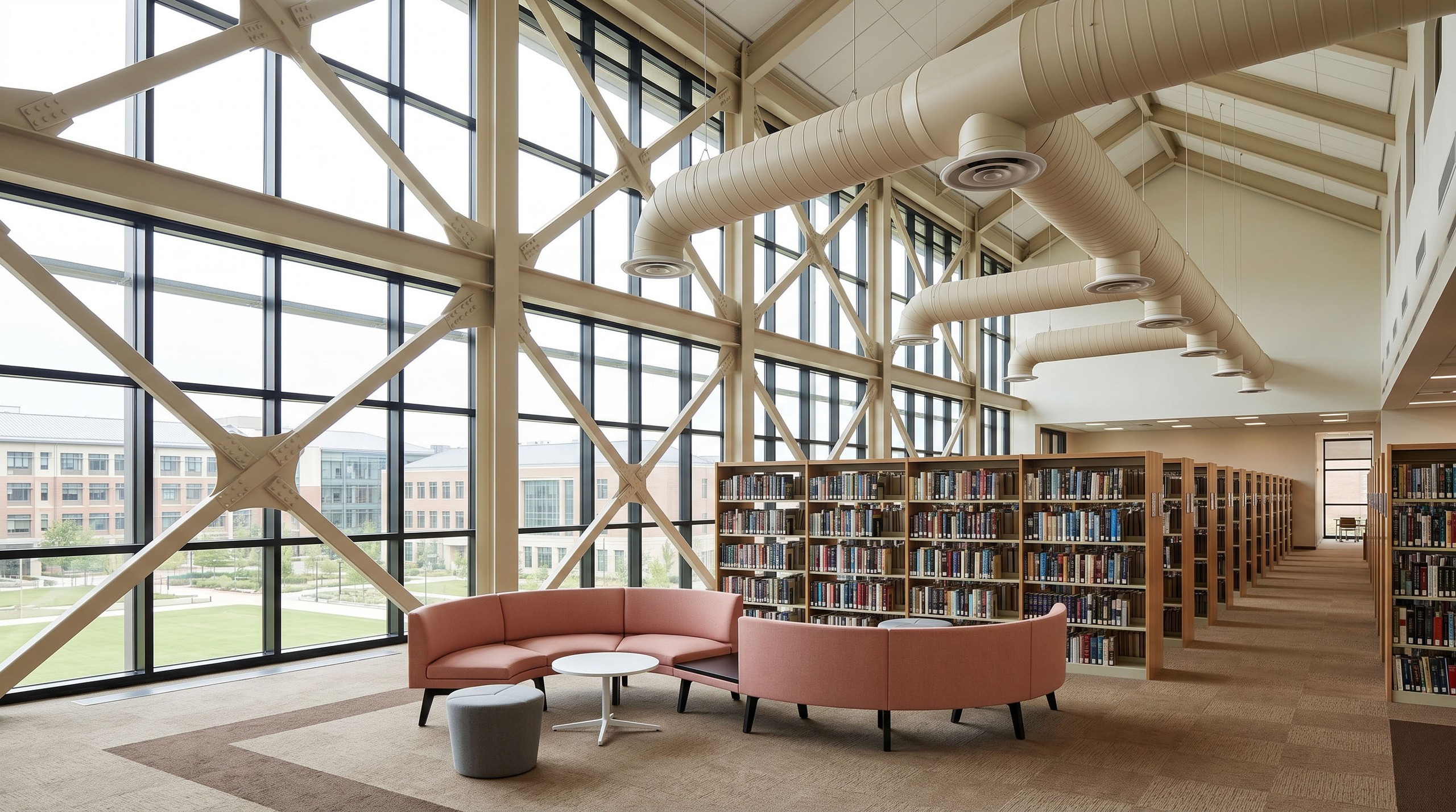
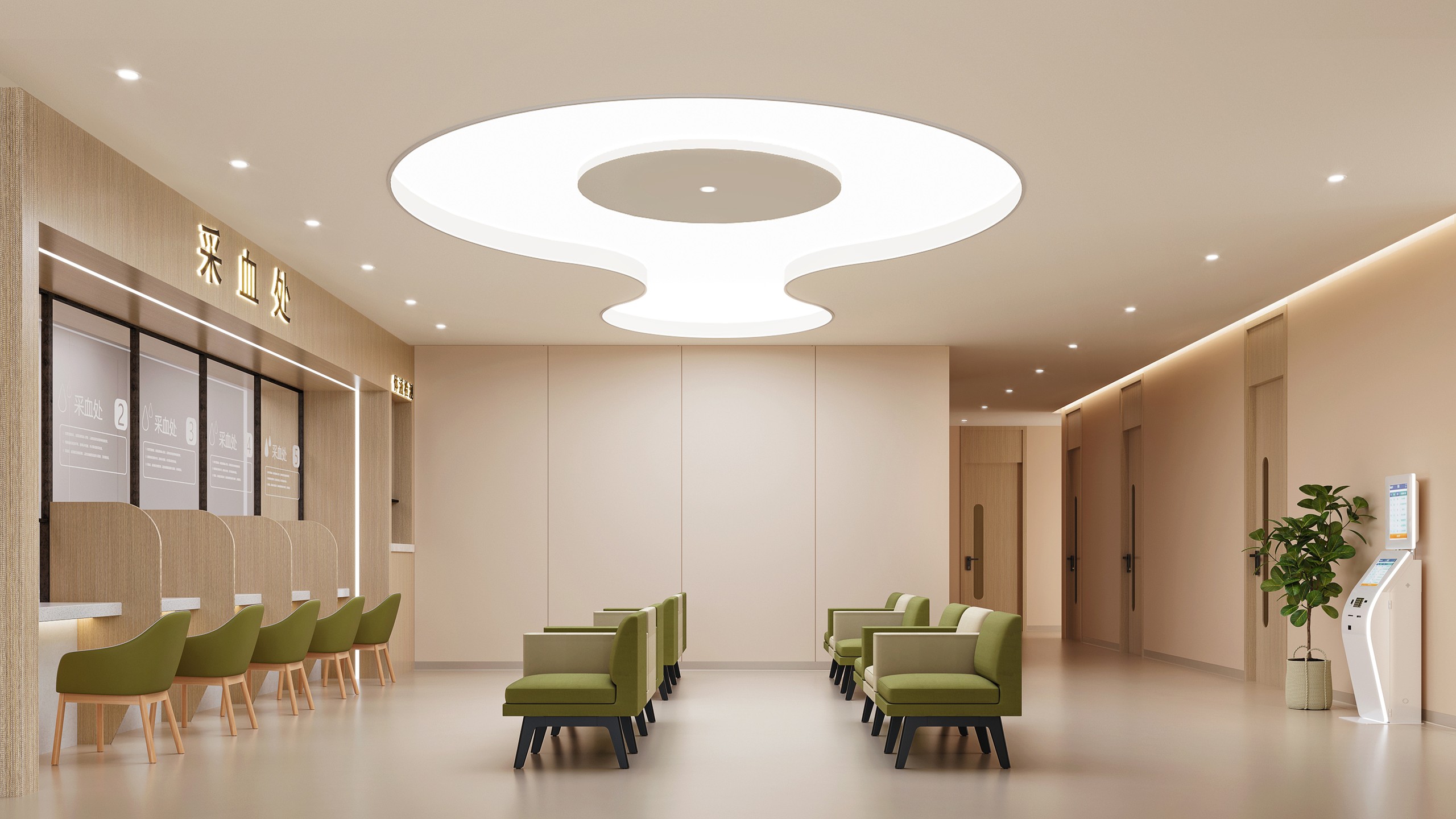
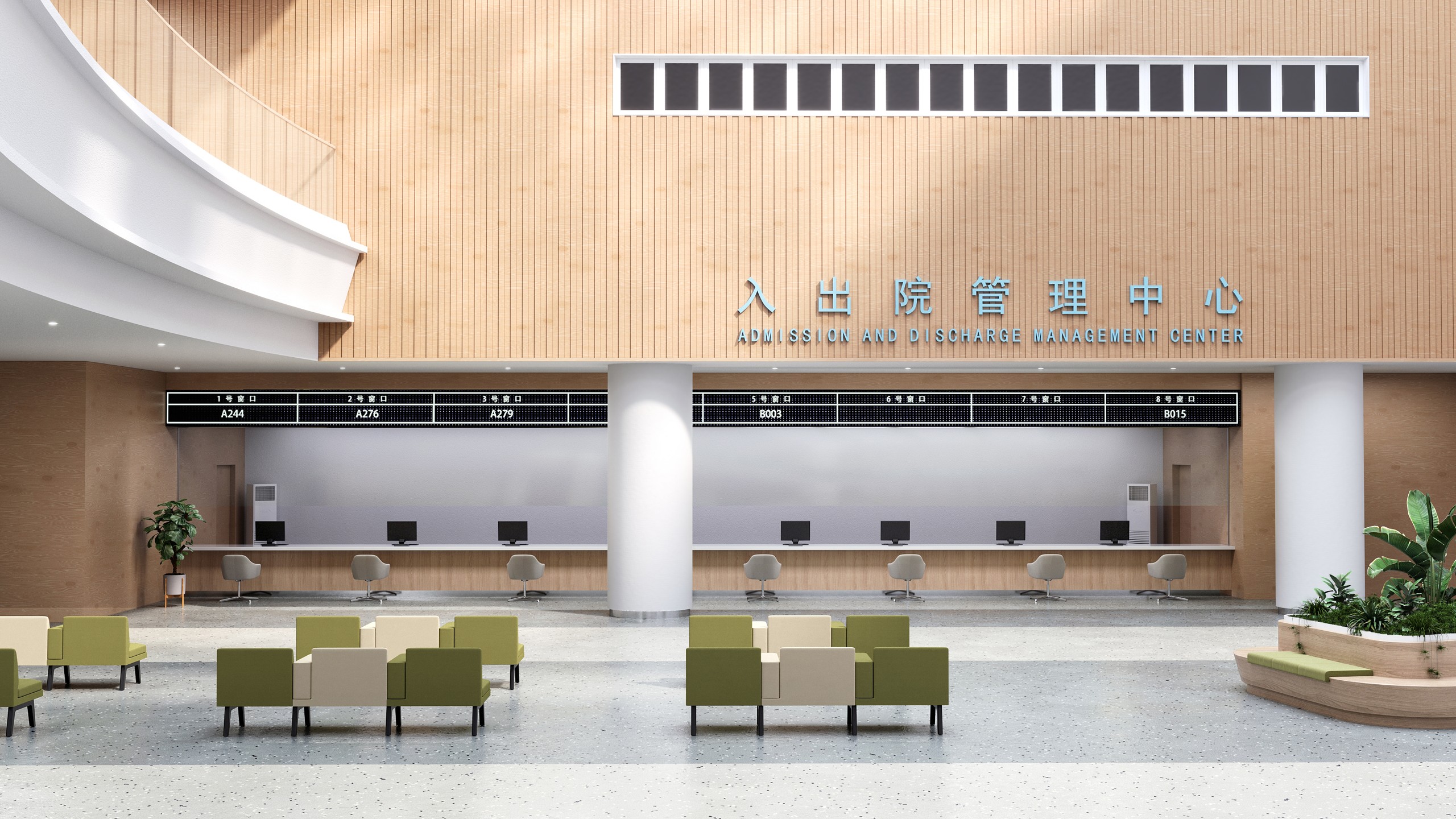
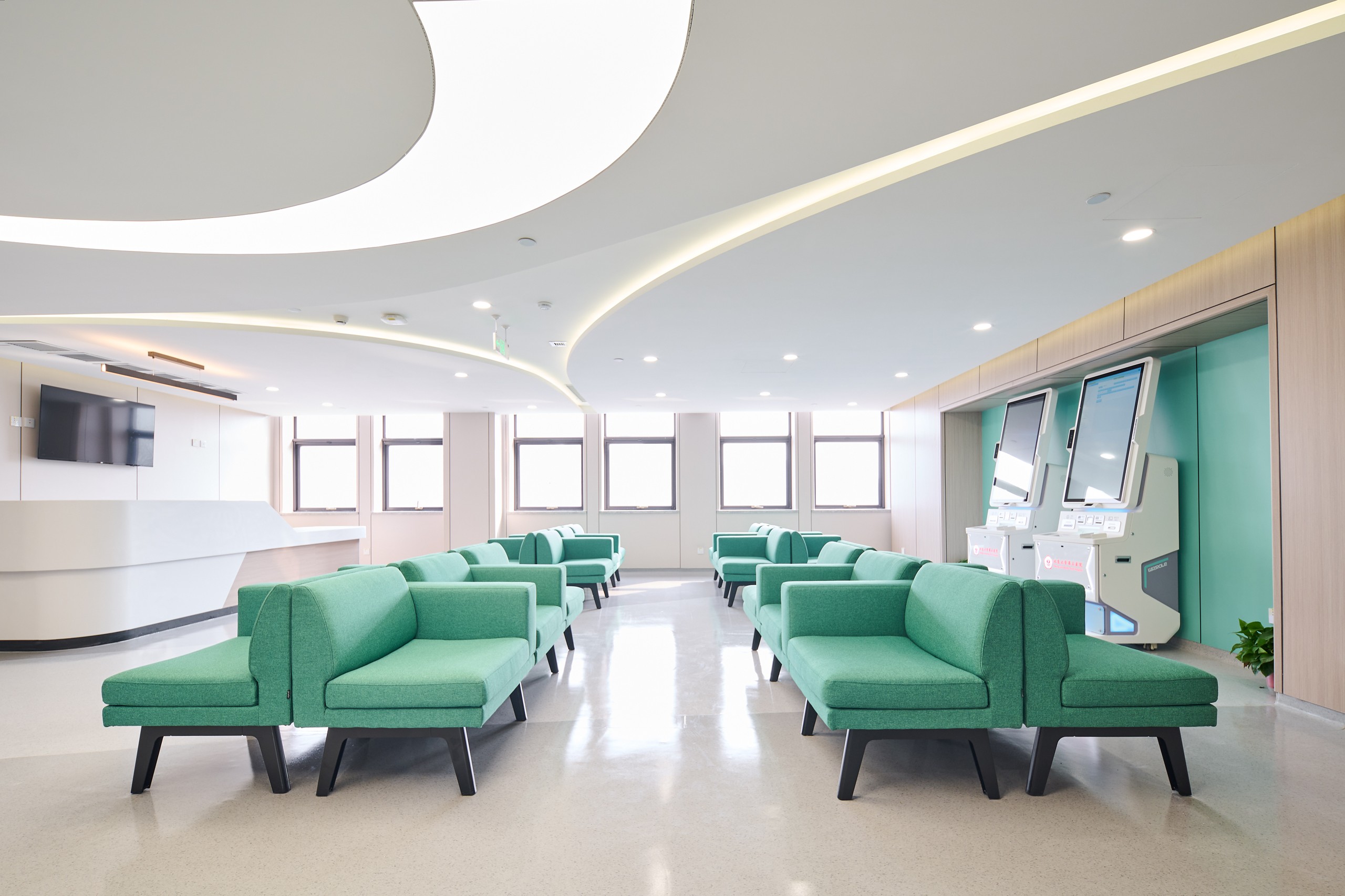
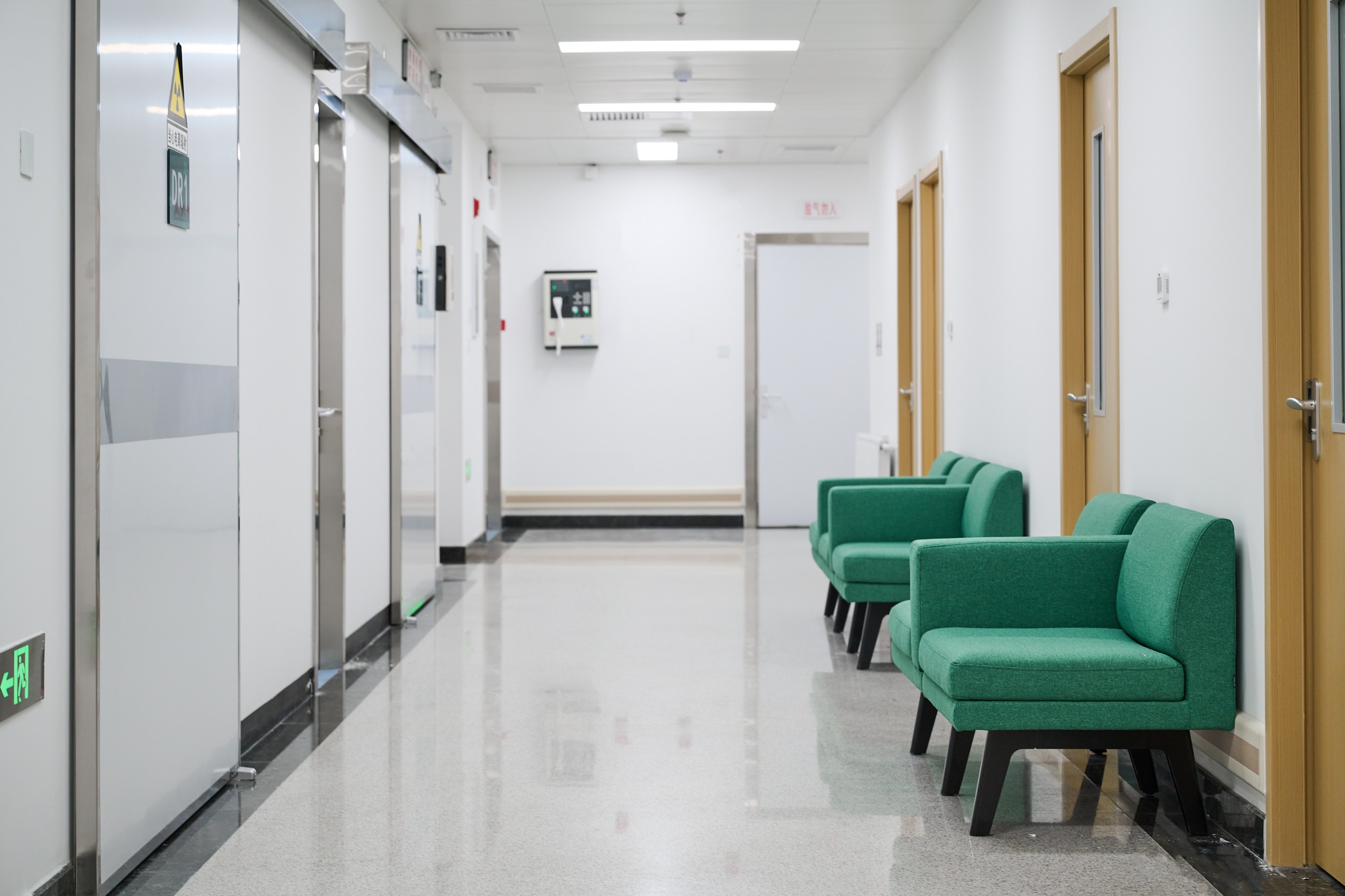
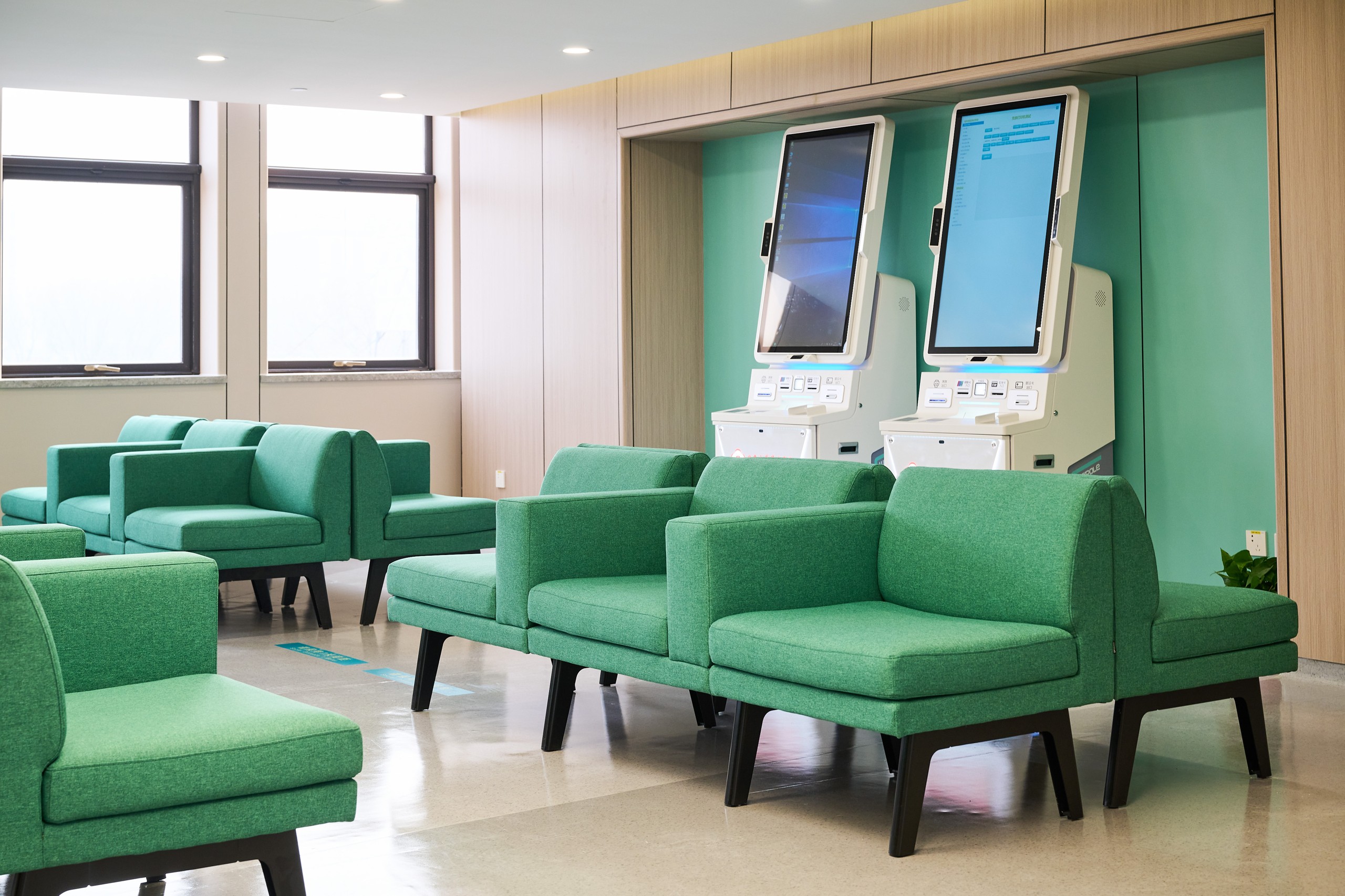
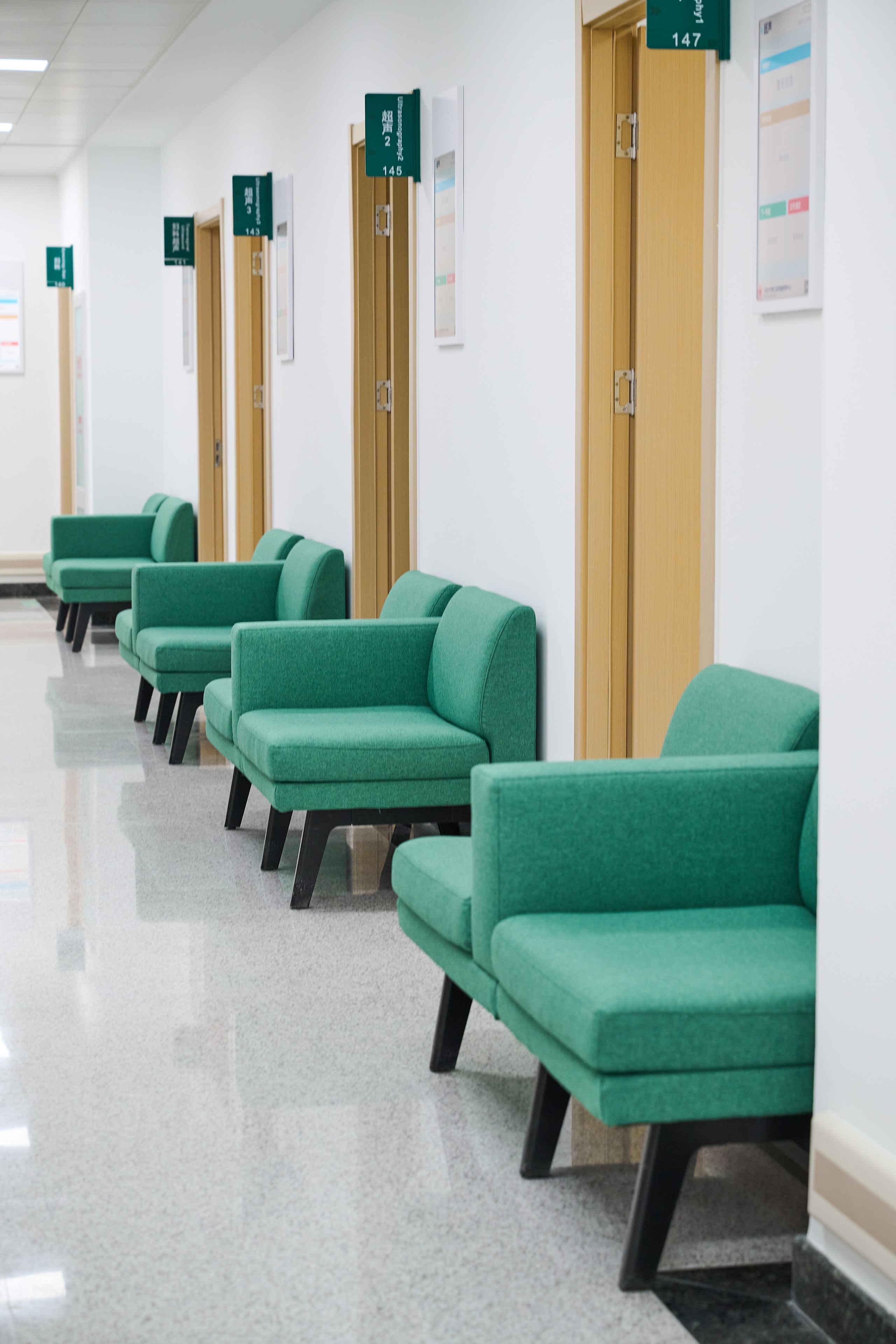
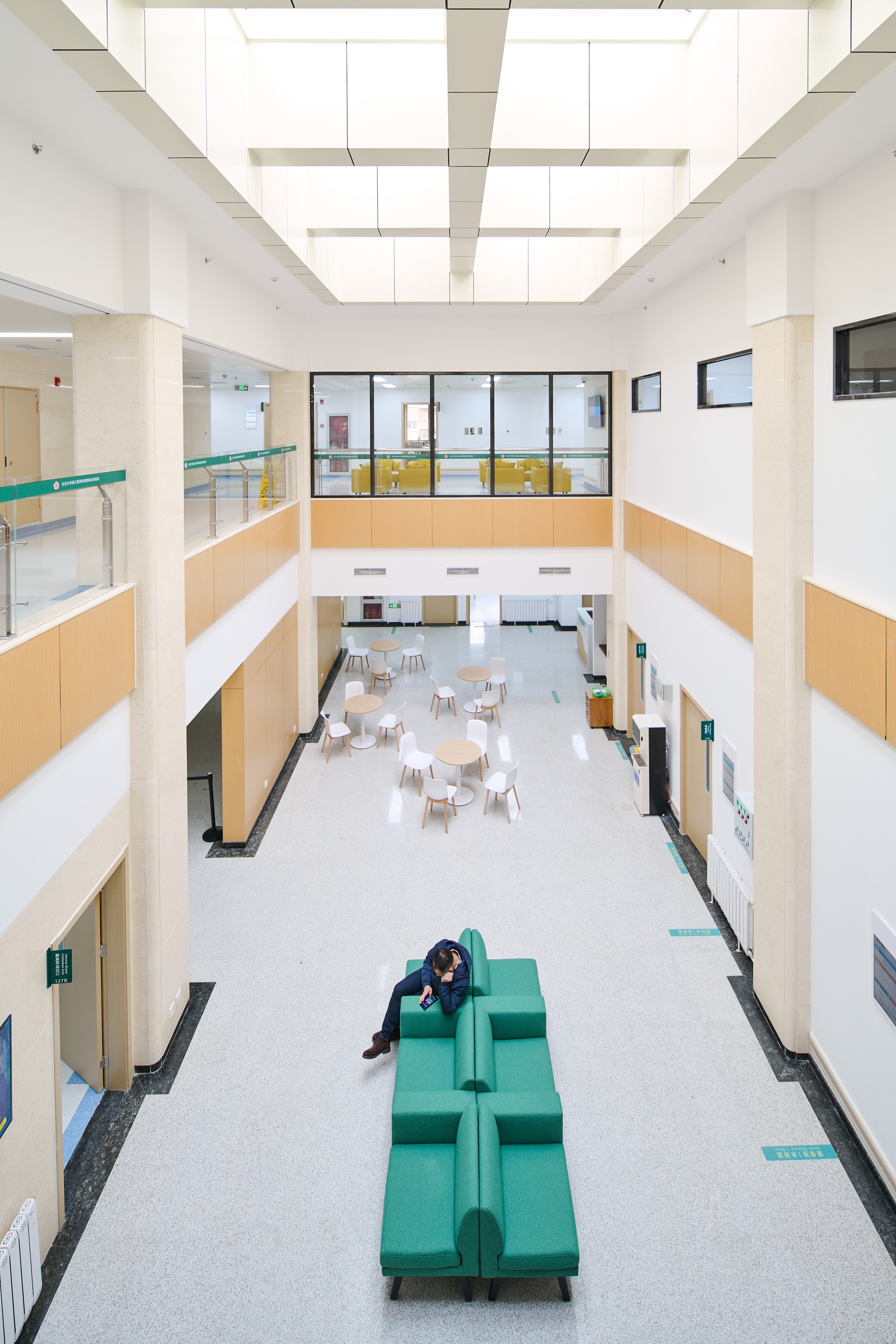
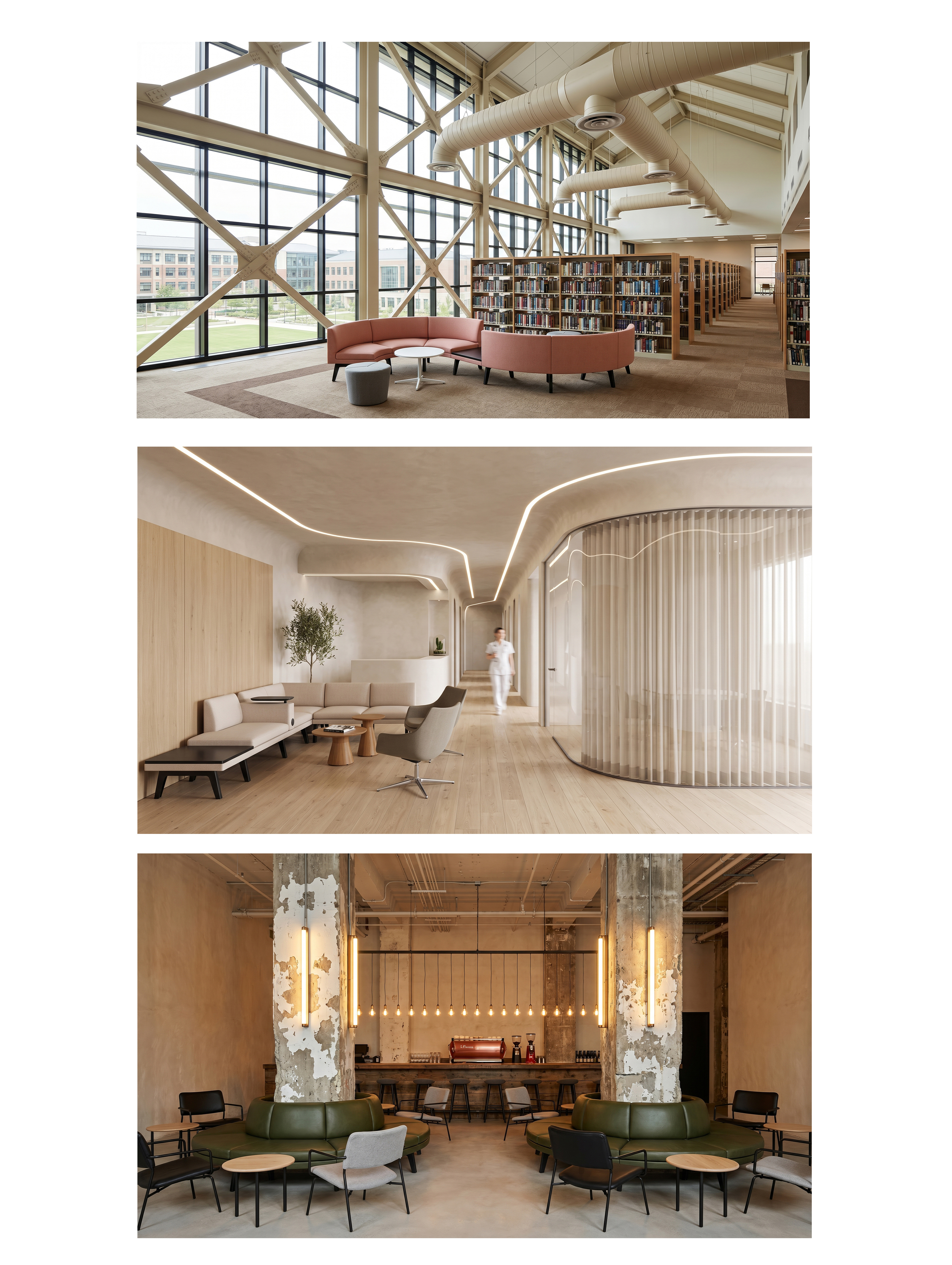 Offices, Waiting Areas, Education, Healthcare, Commercial Lounge
Modular Design, Endless Variations
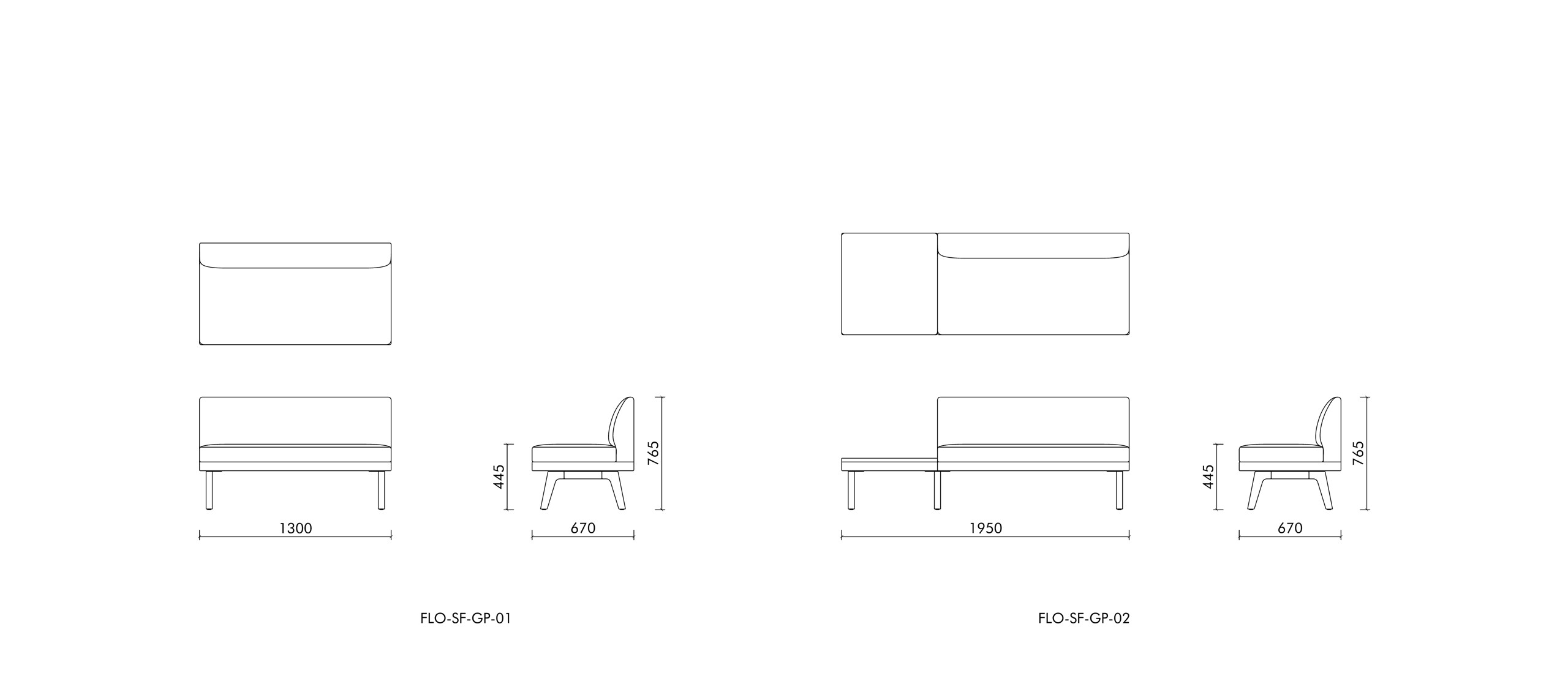
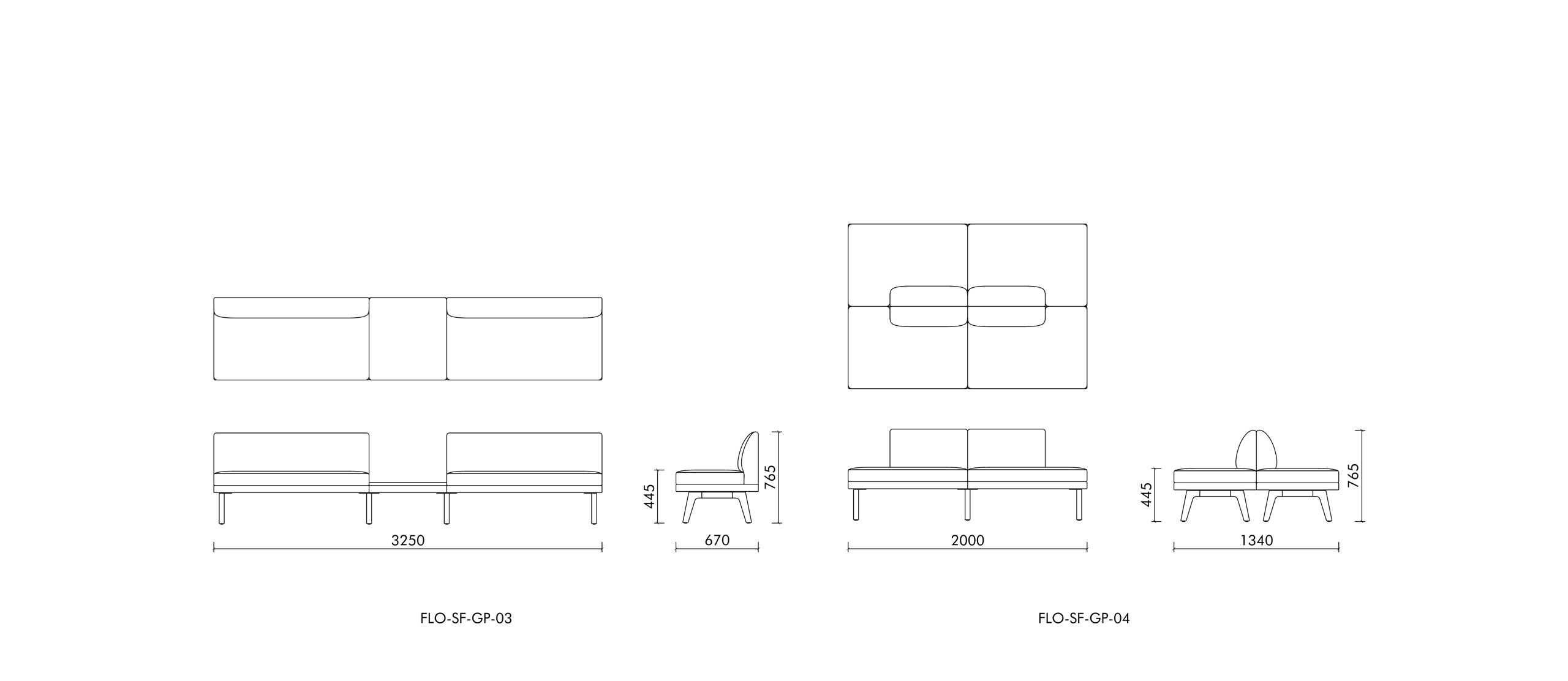
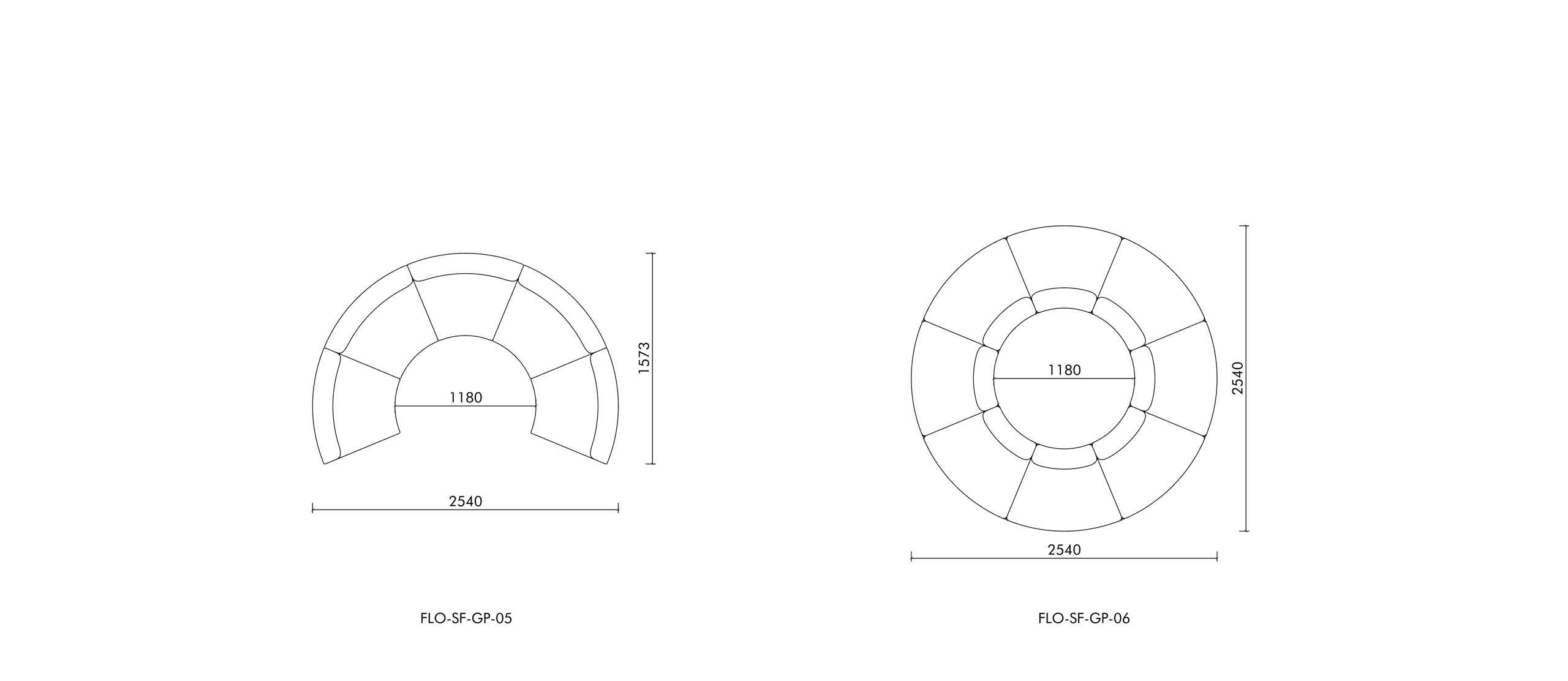
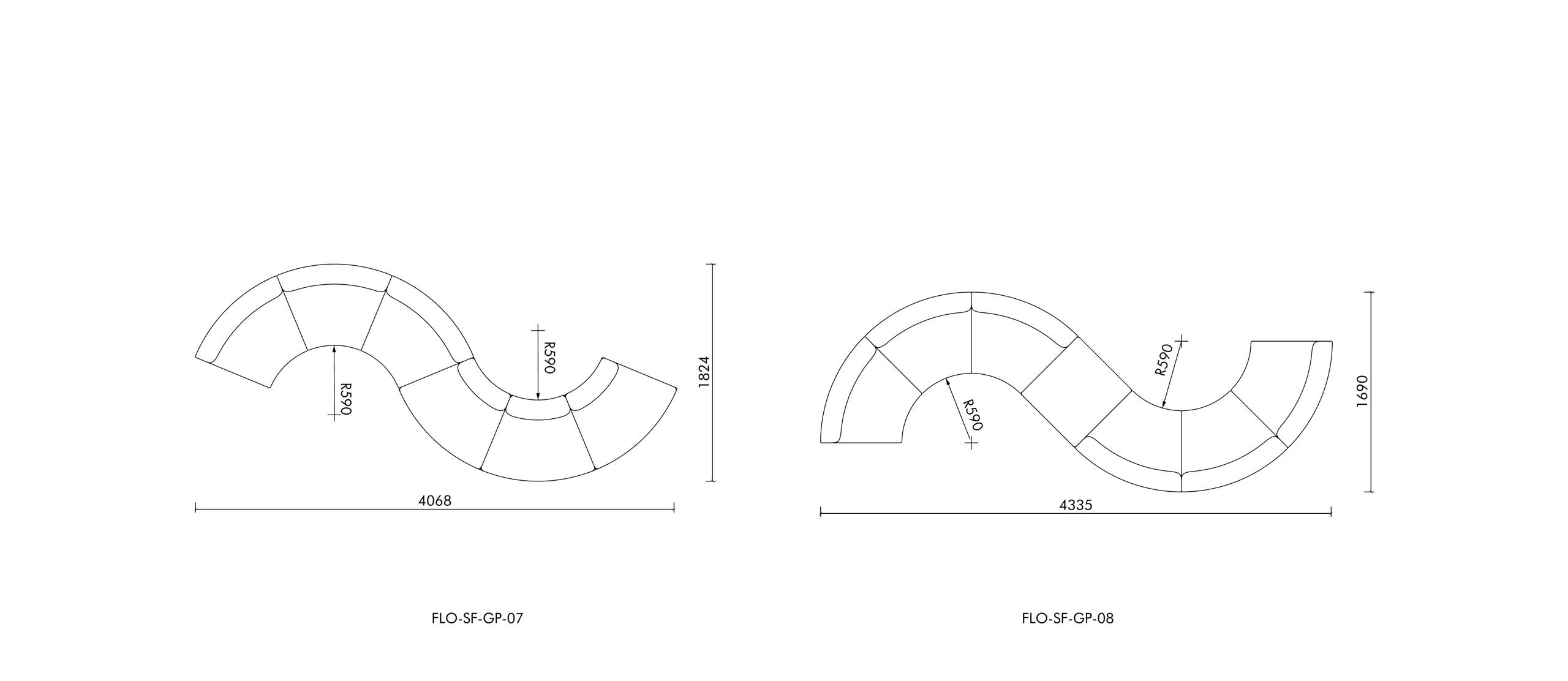
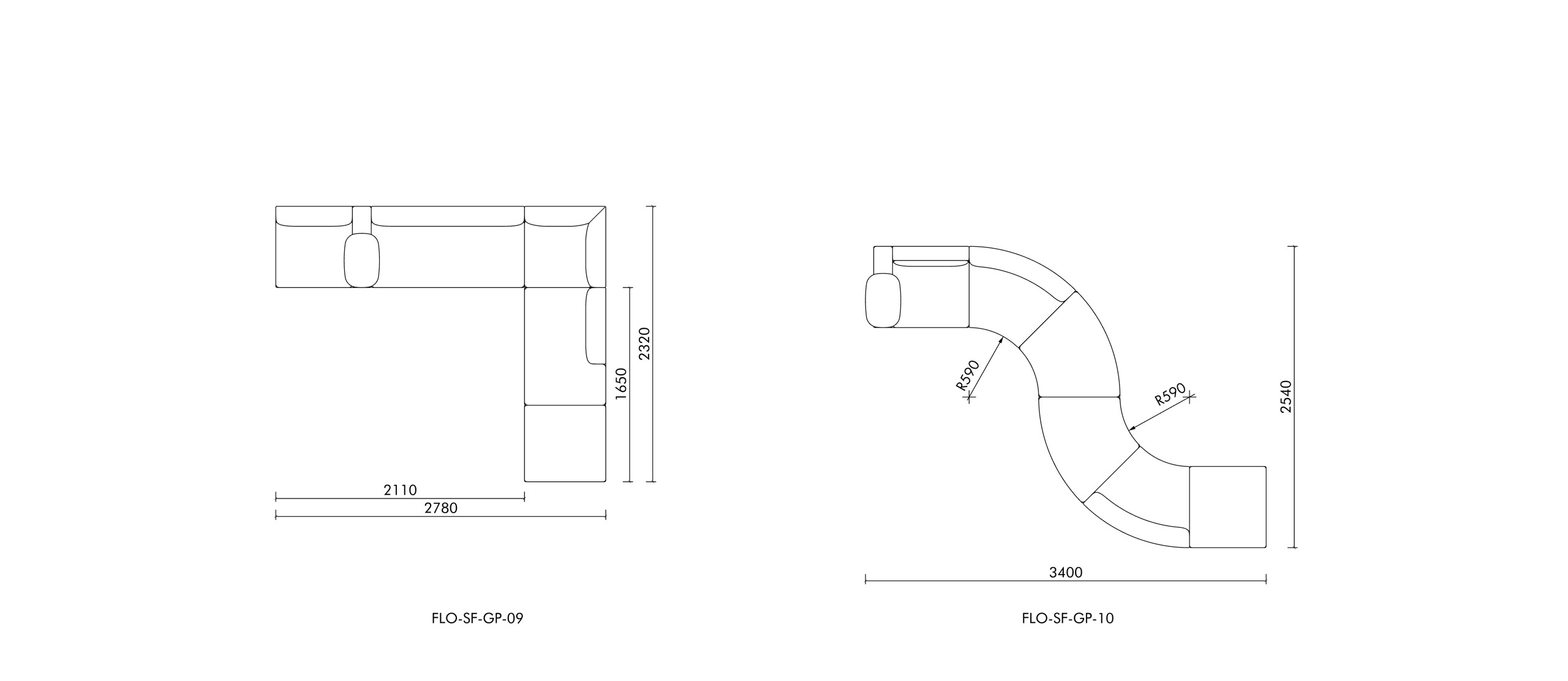
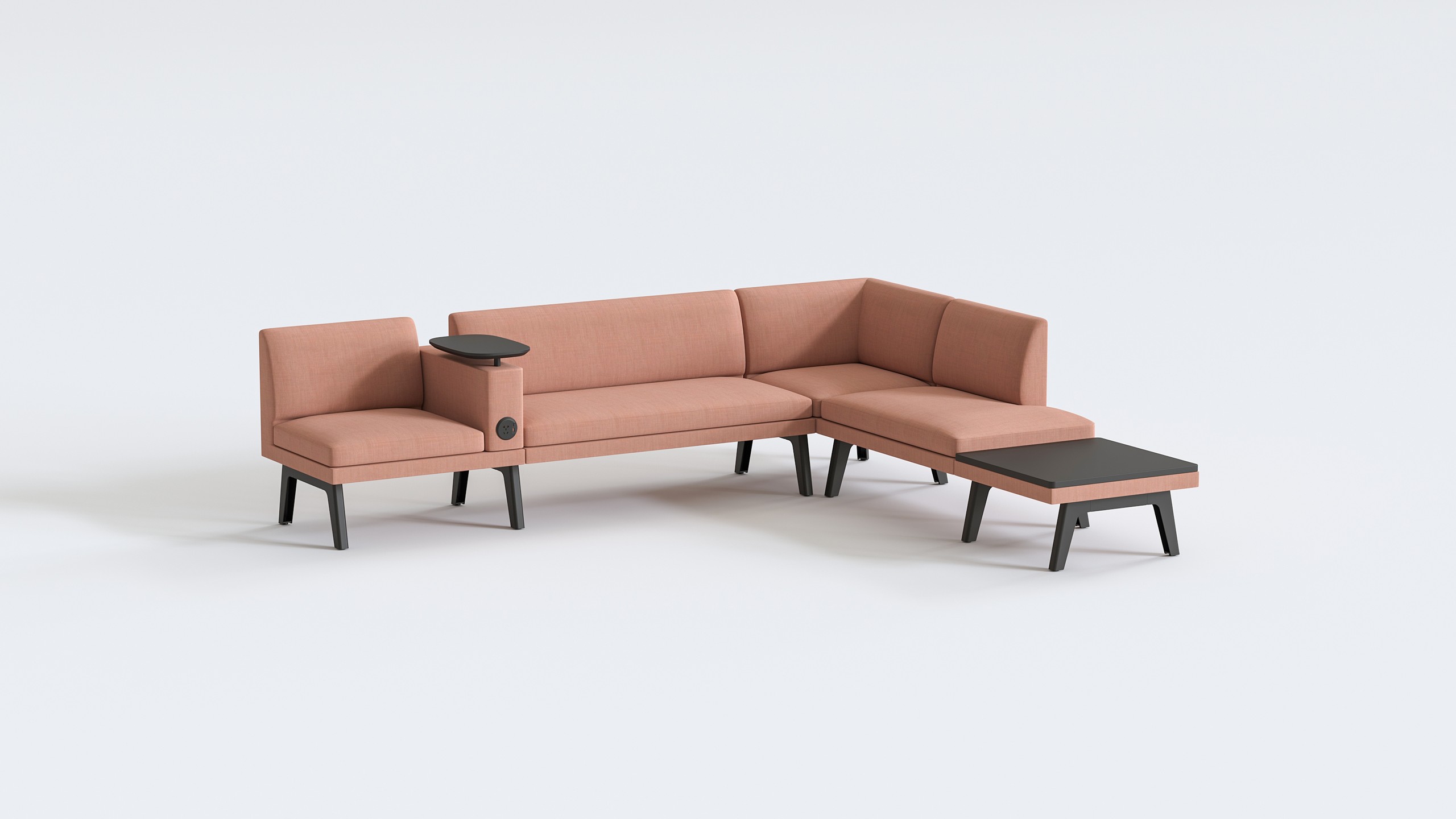
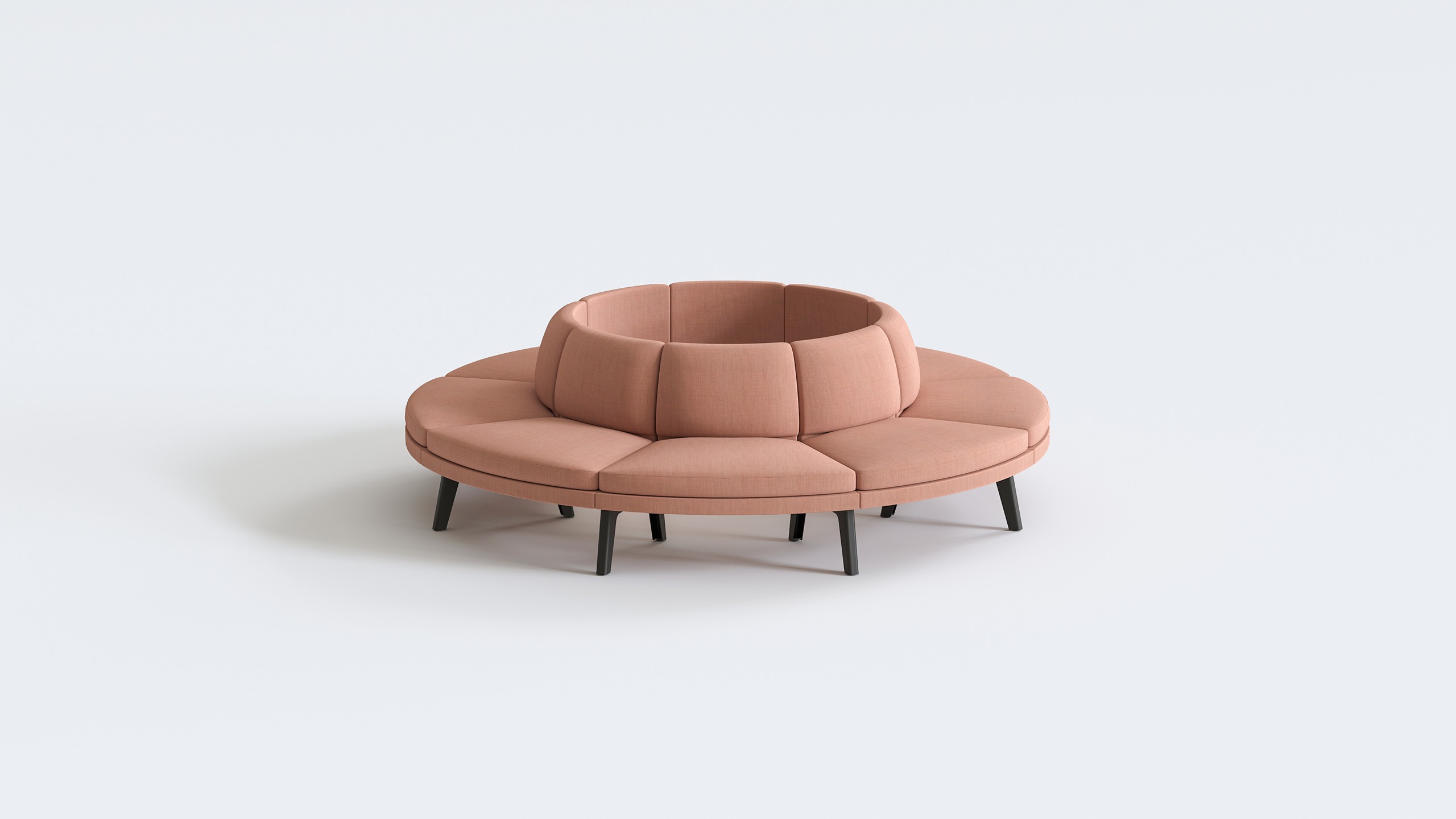
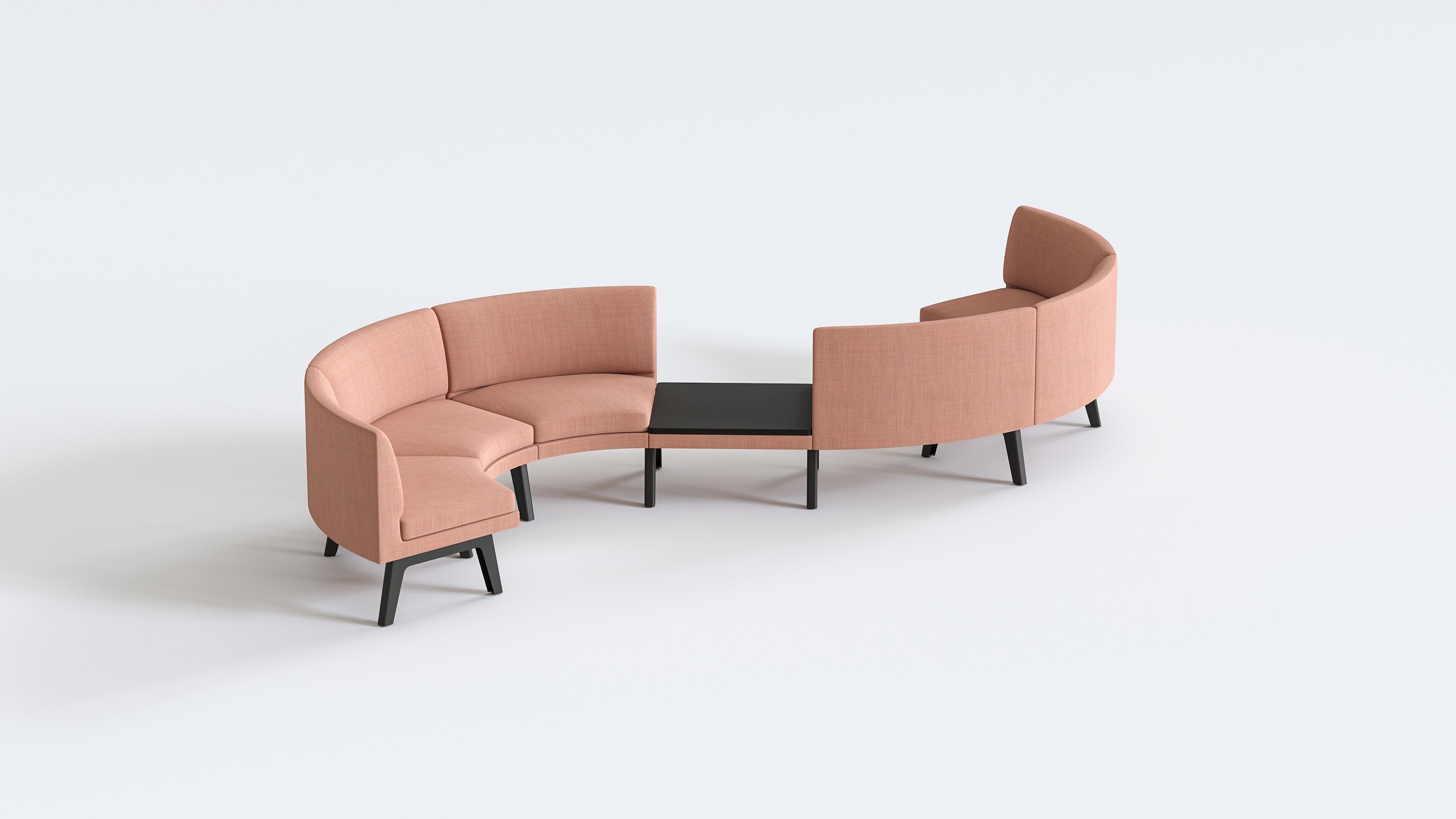
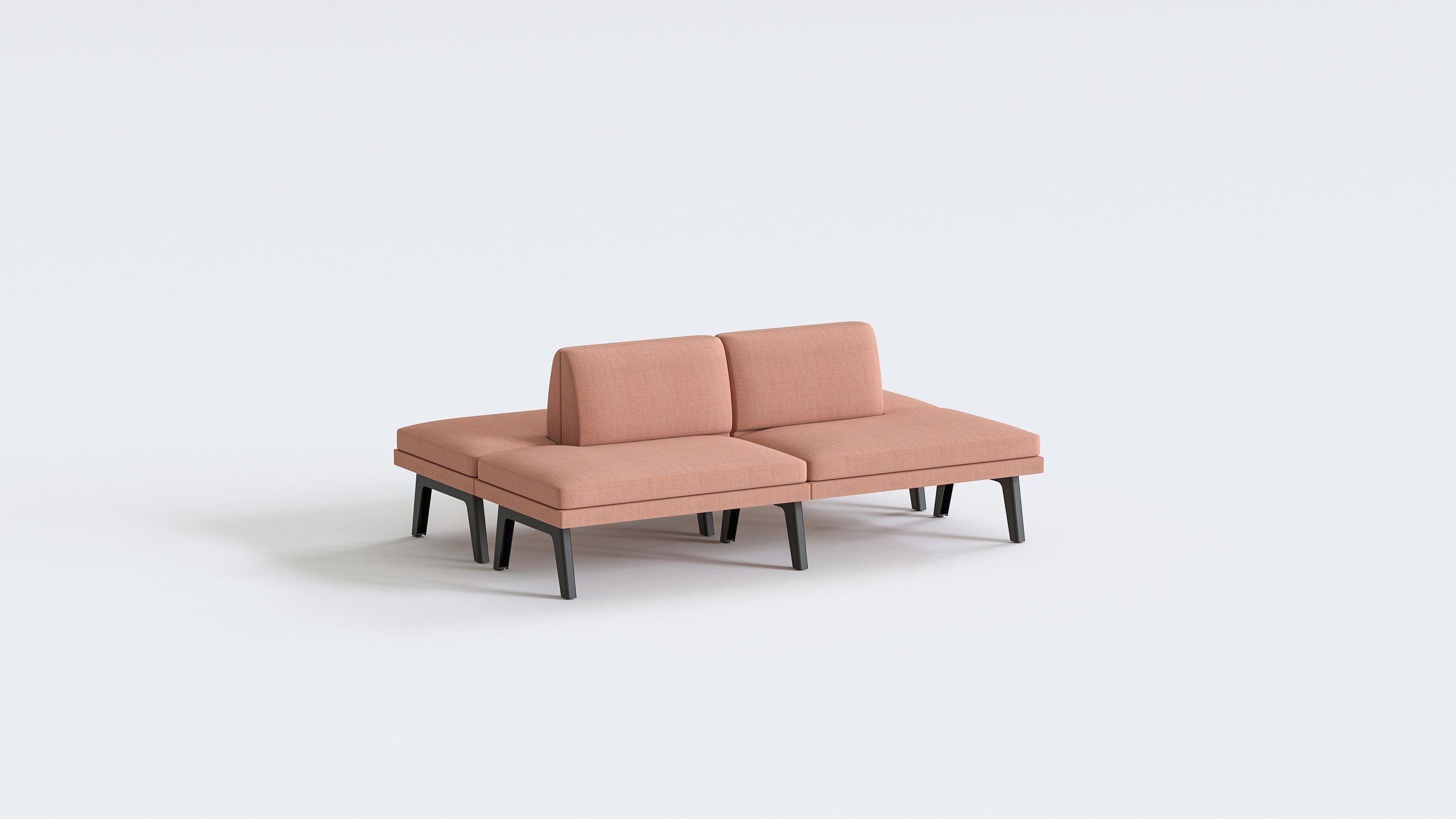
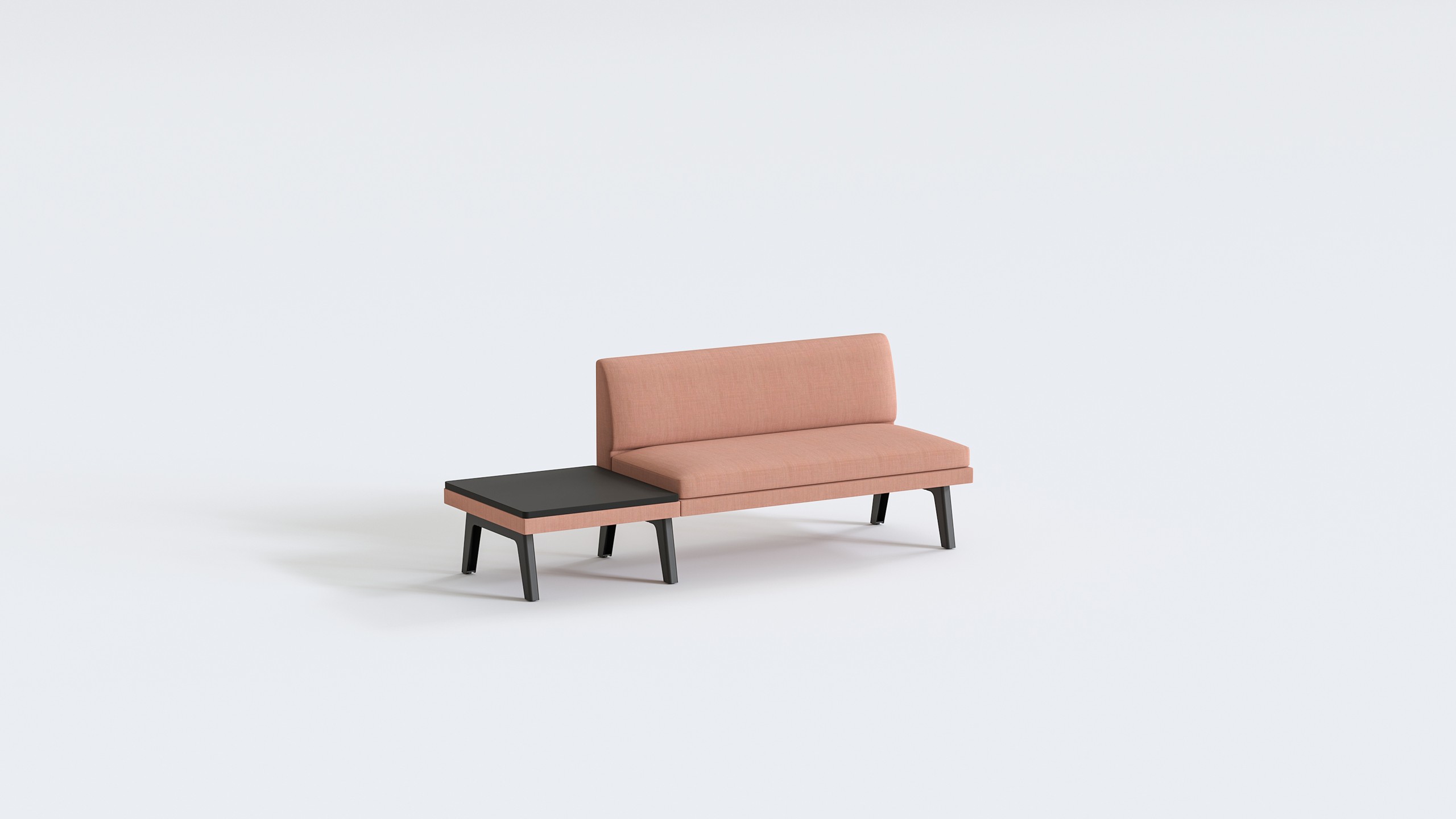
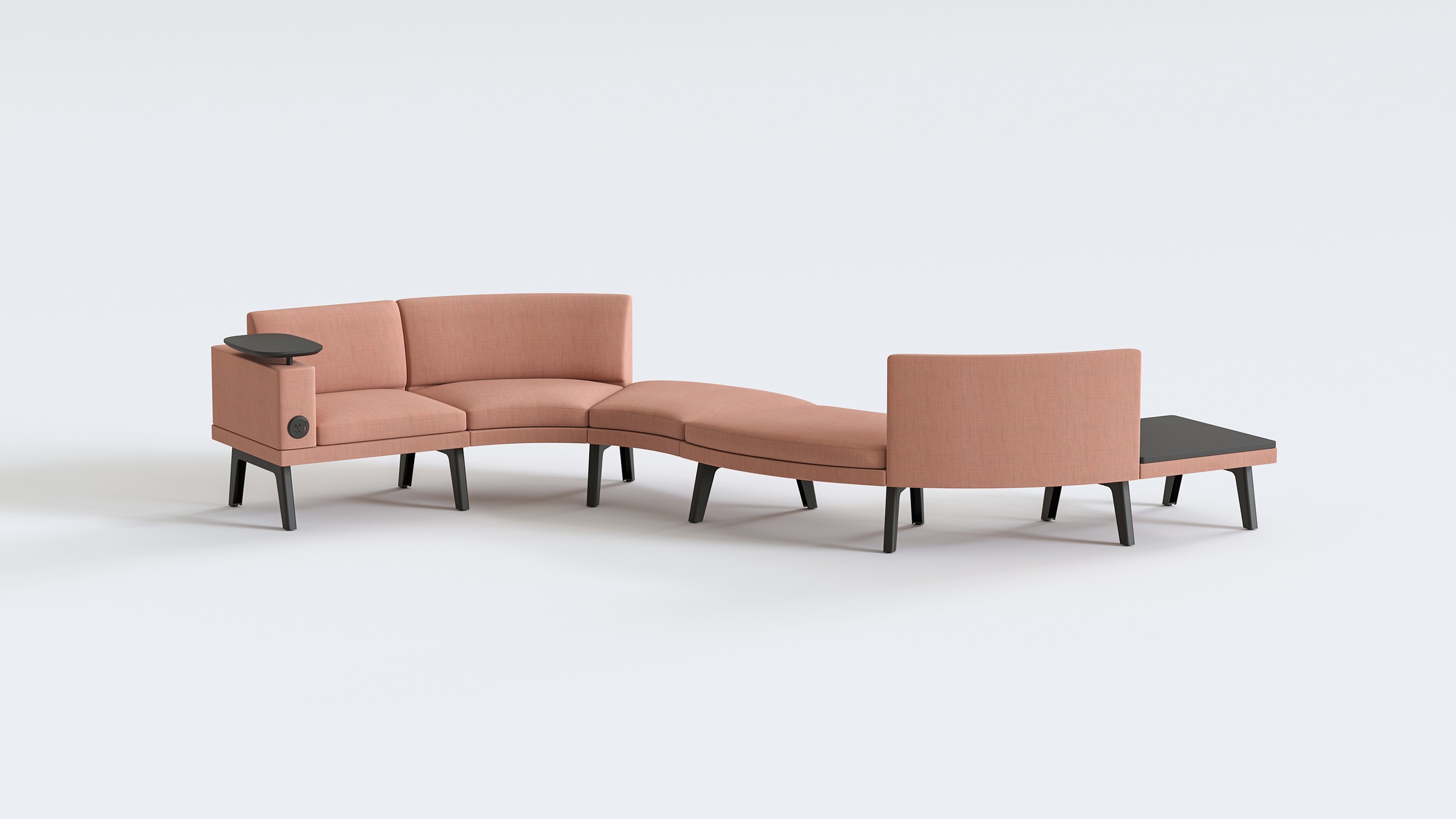
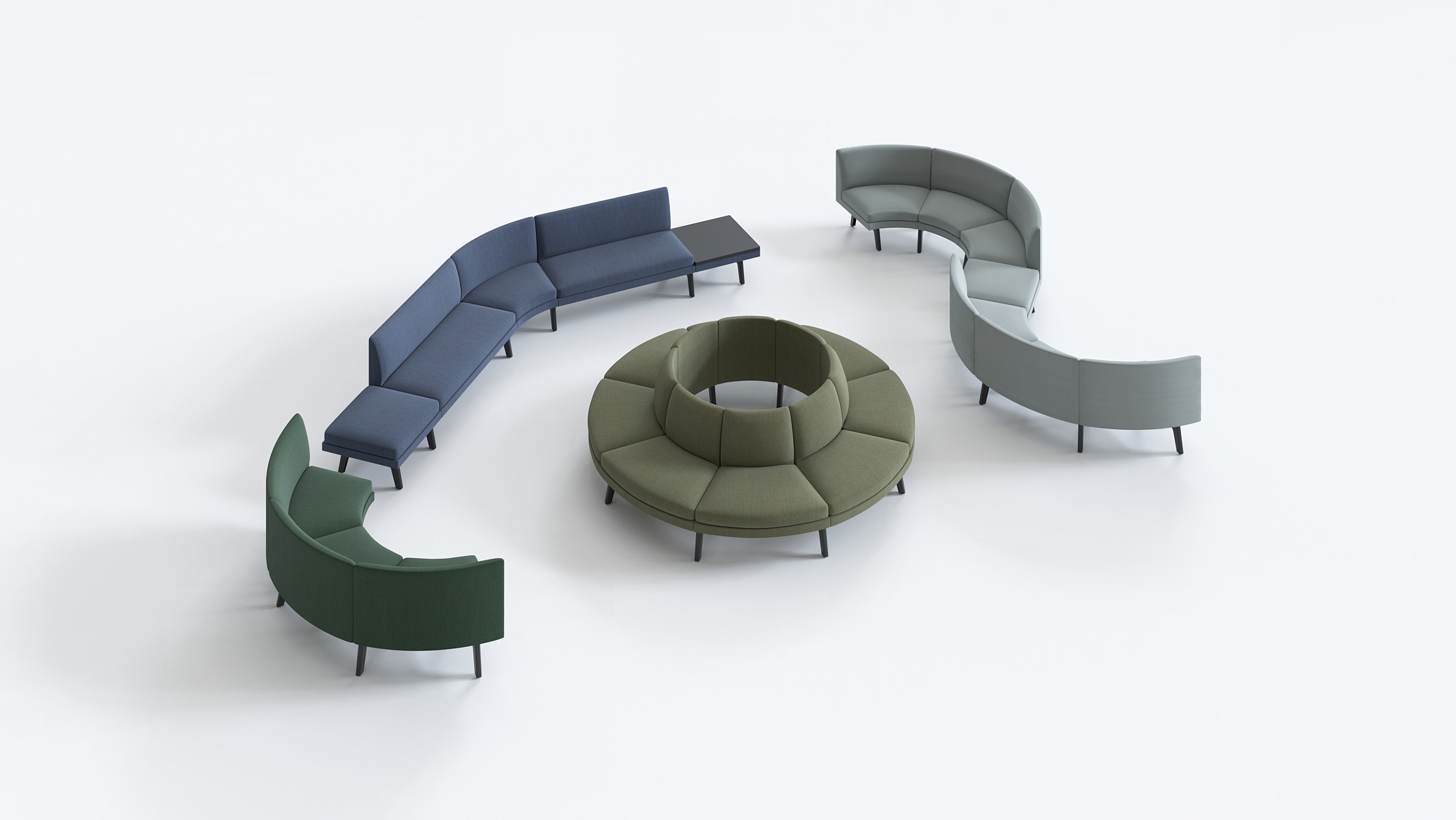
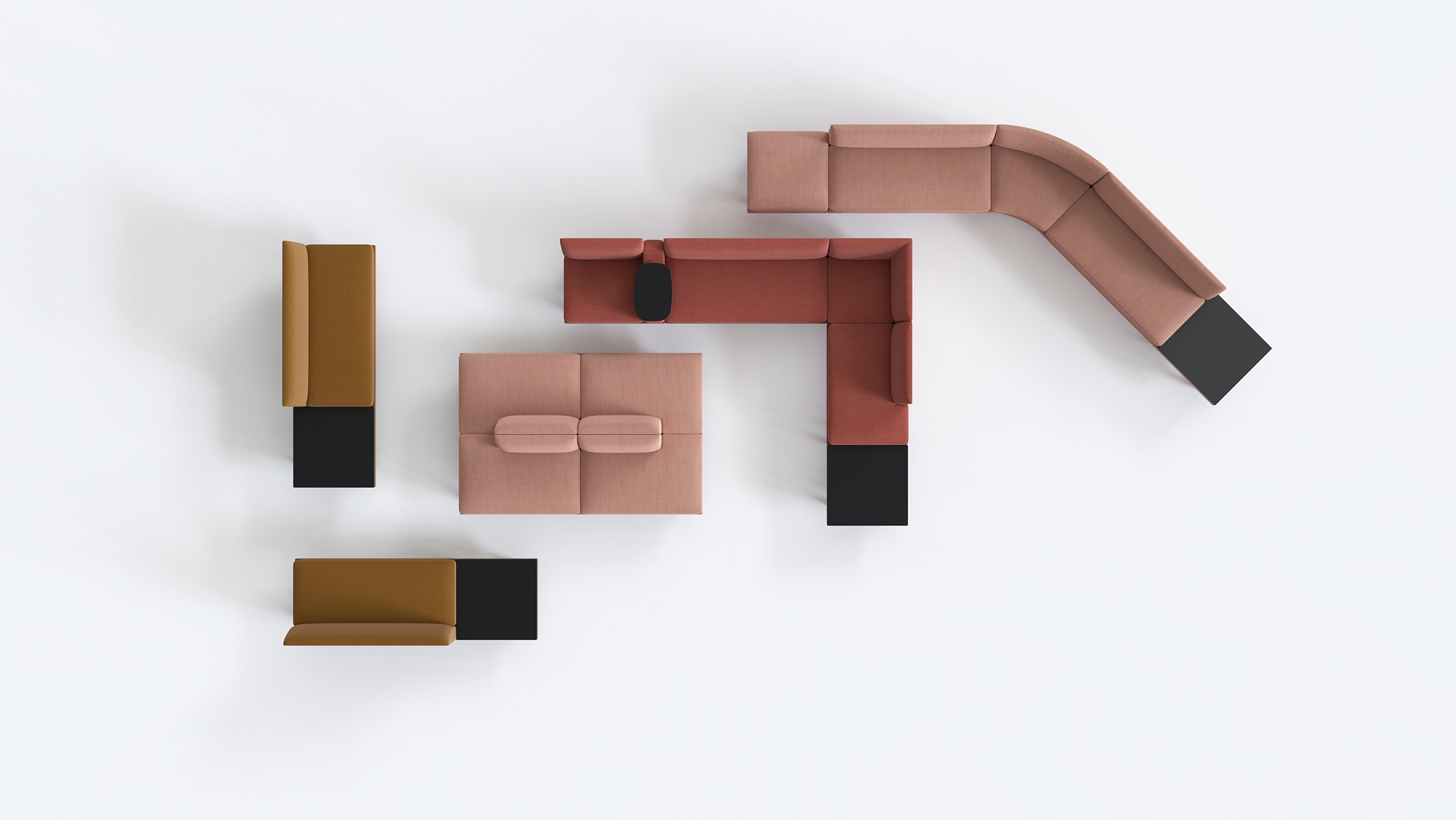
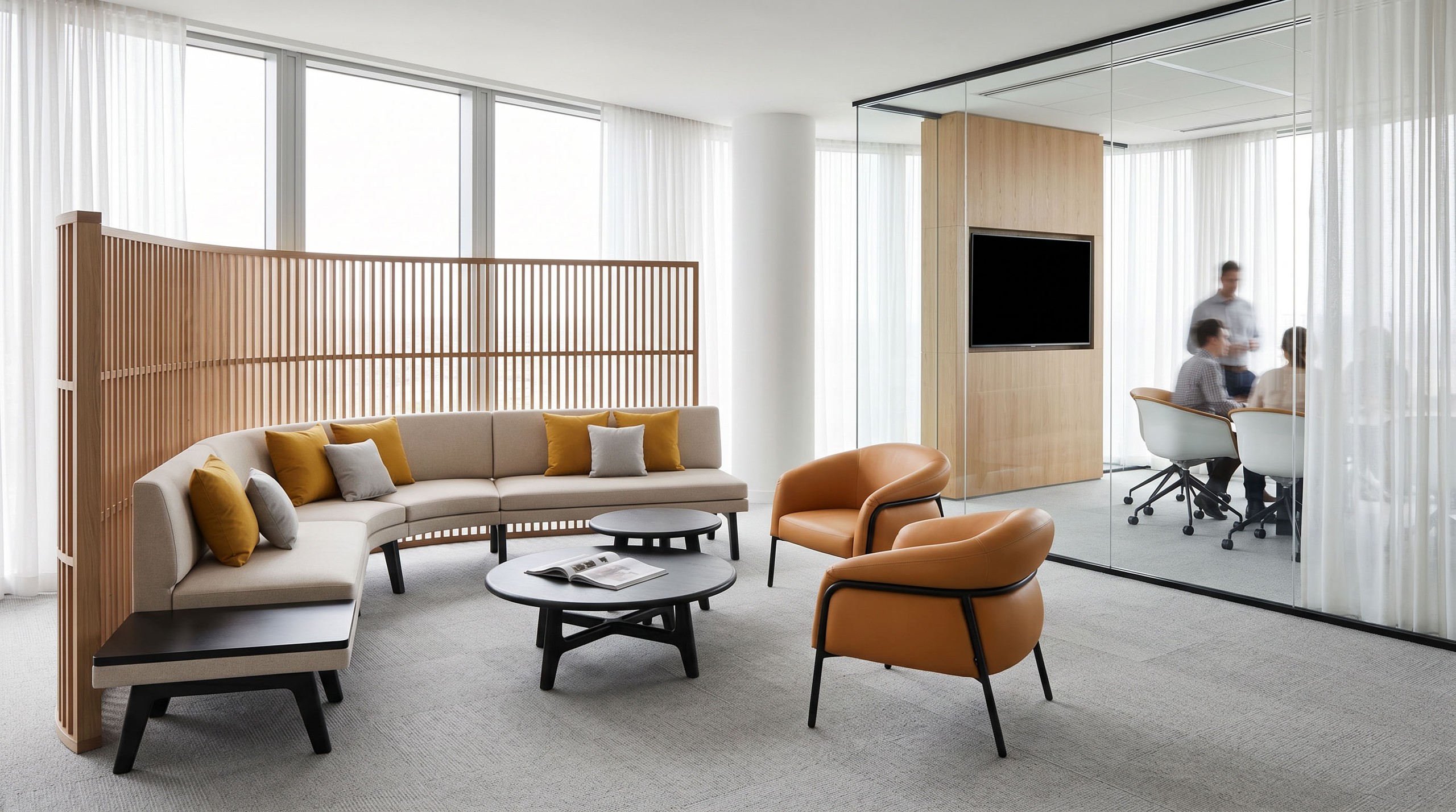
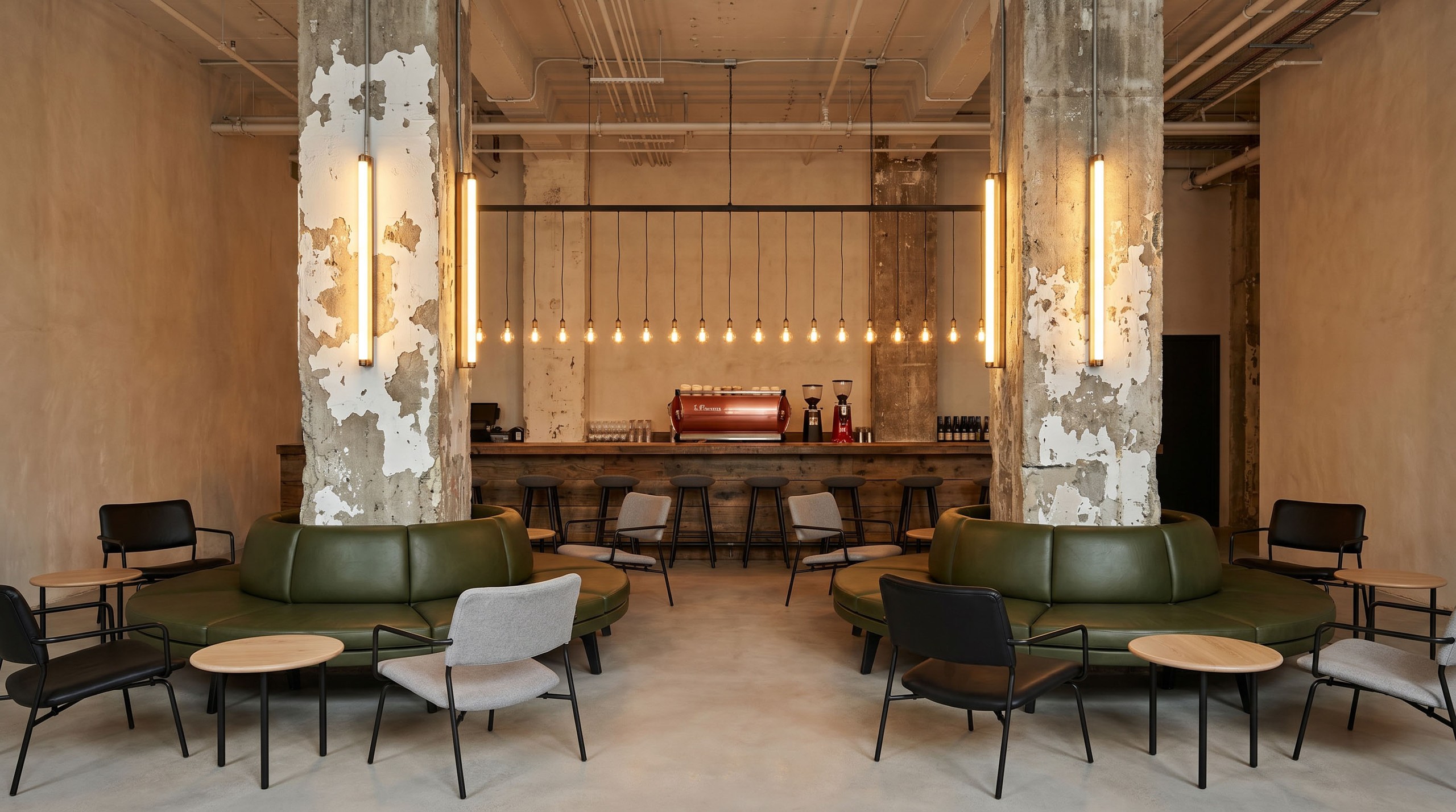
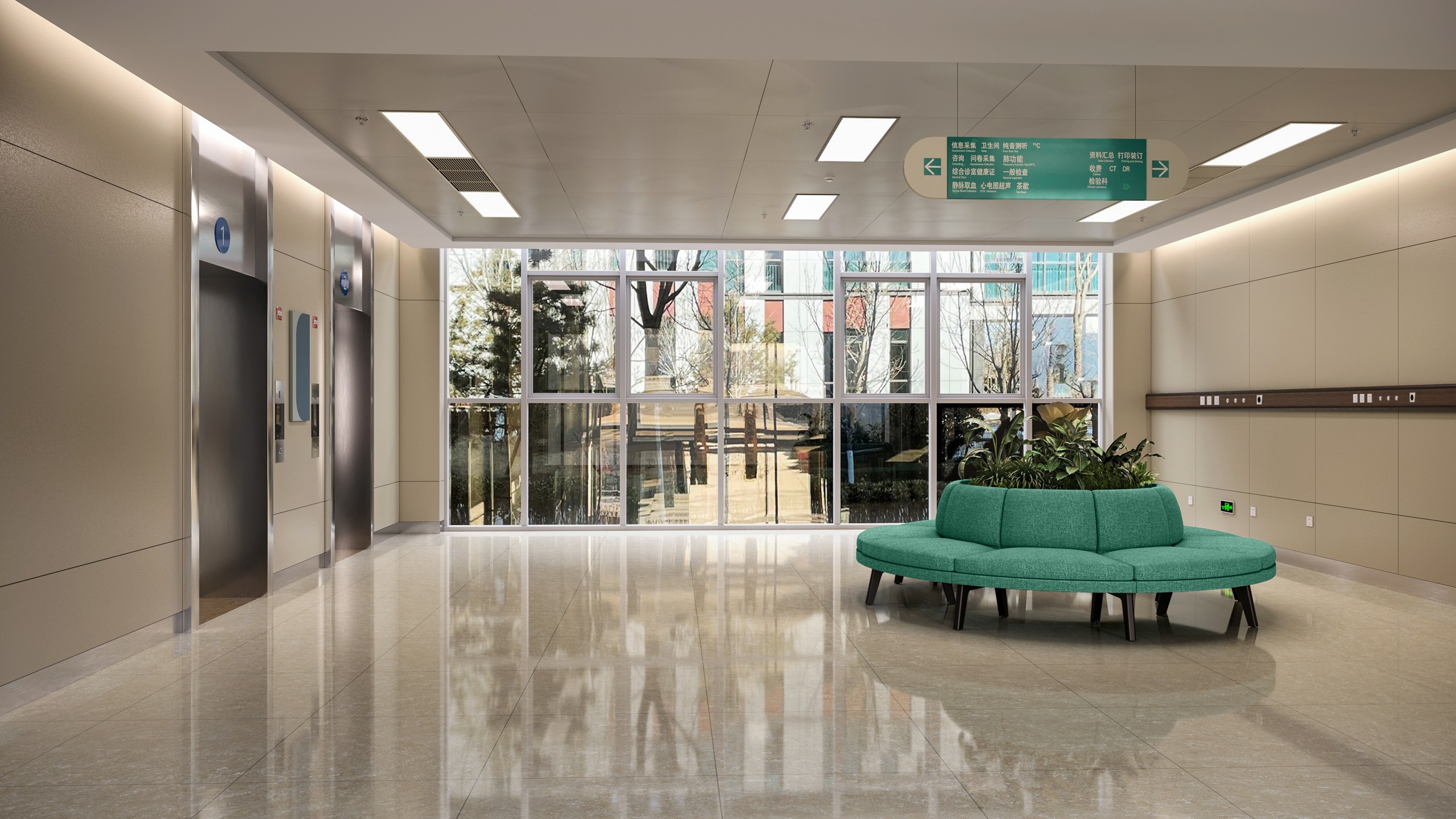
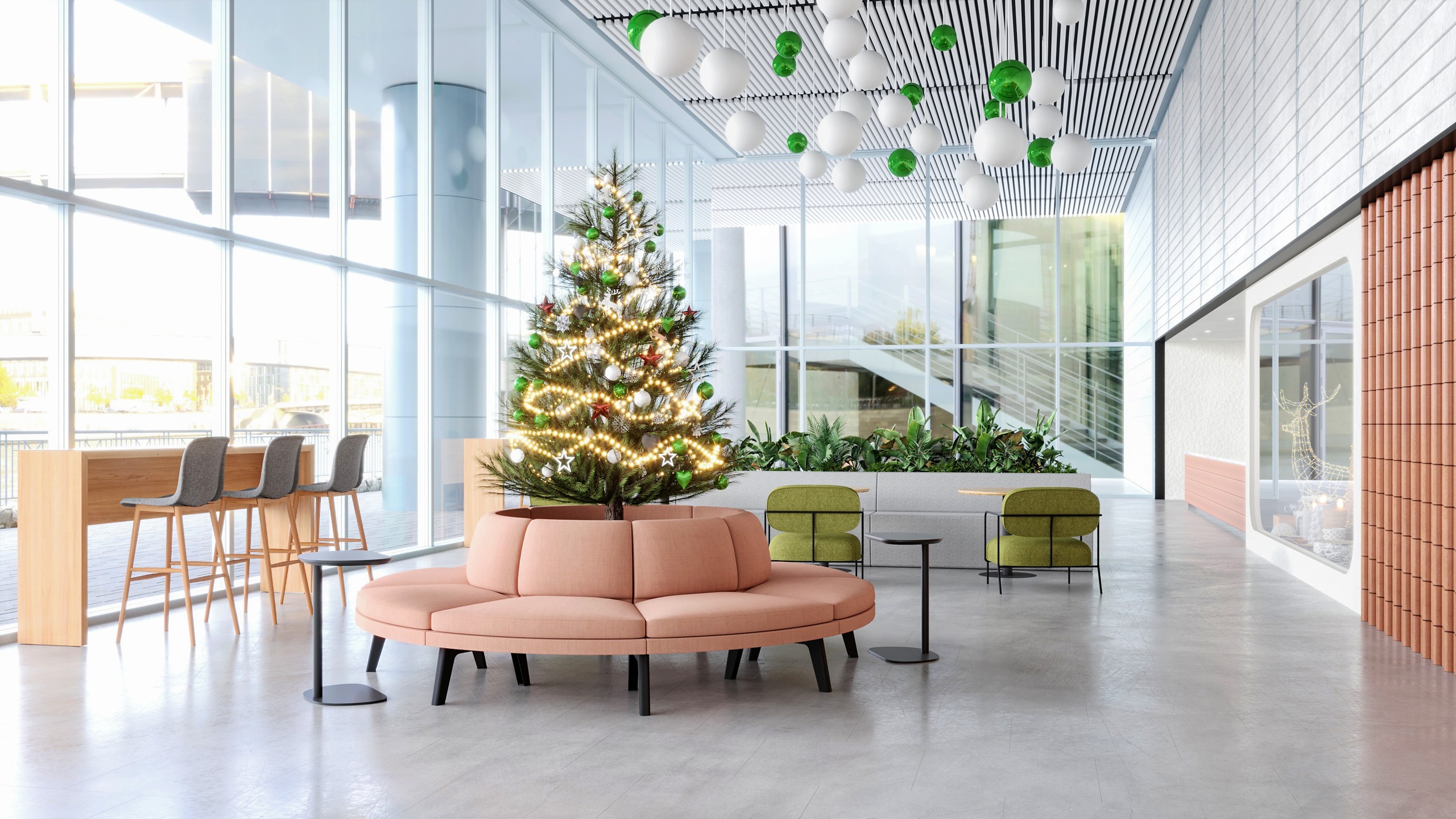
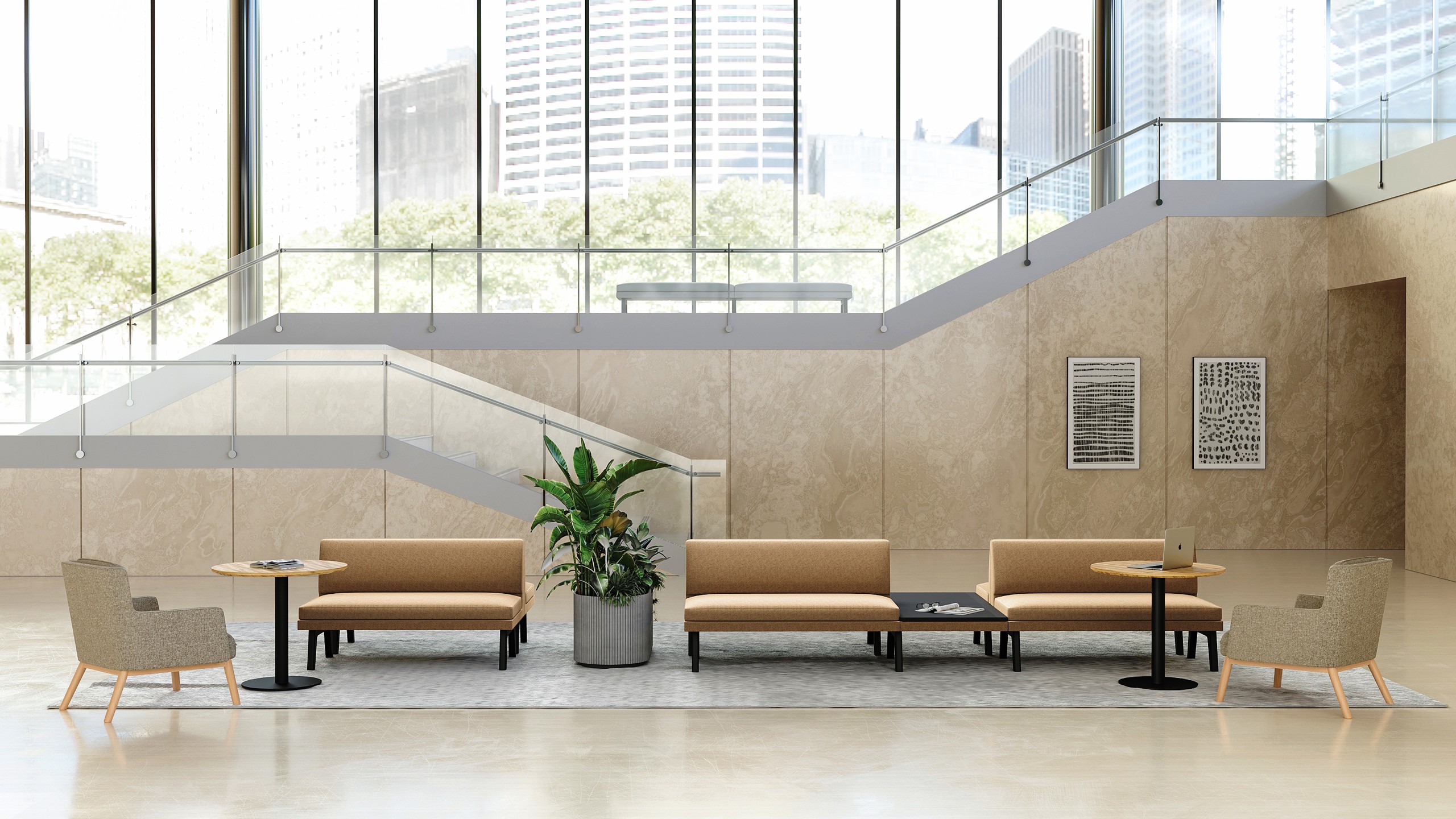
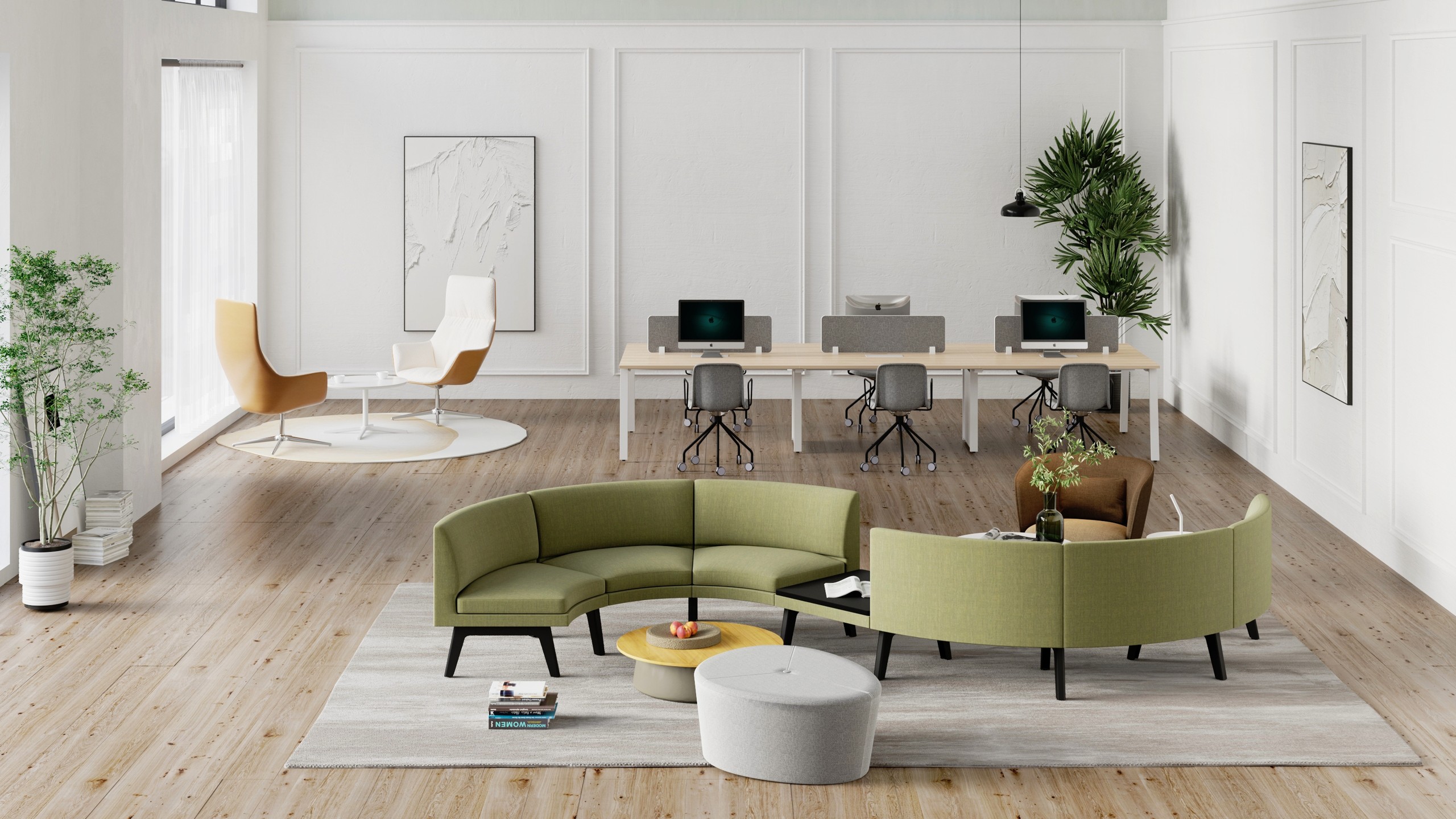
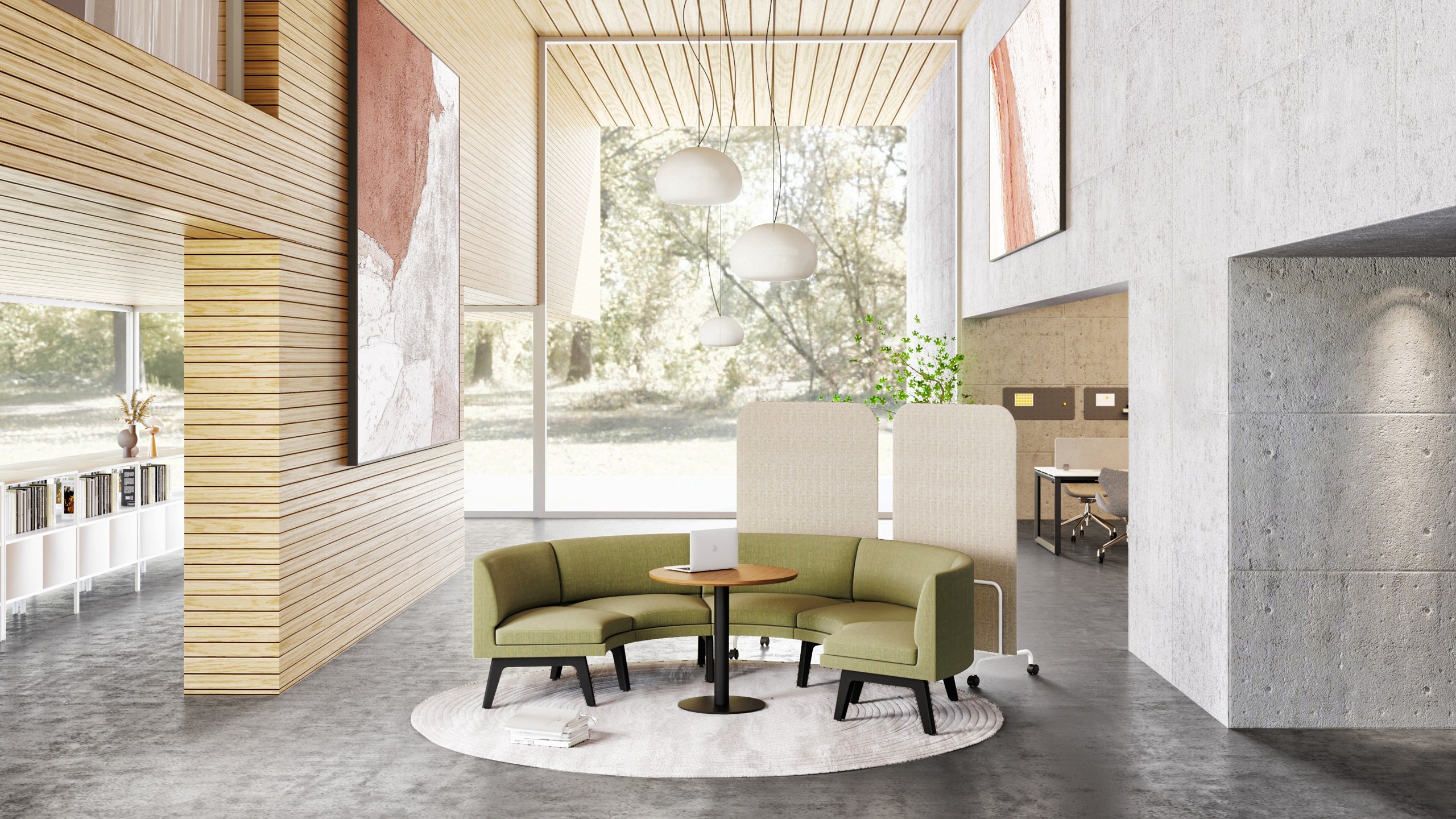
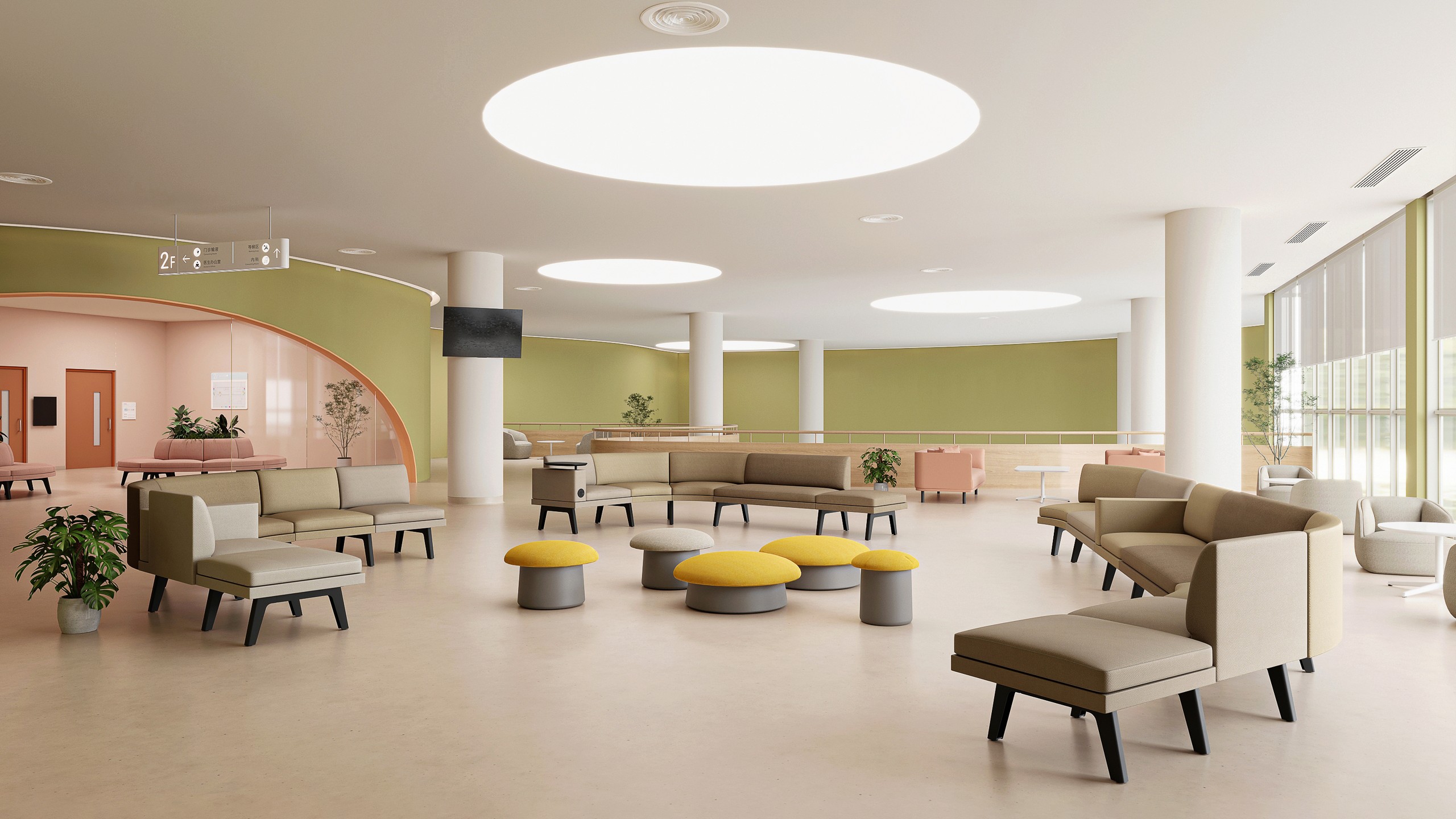
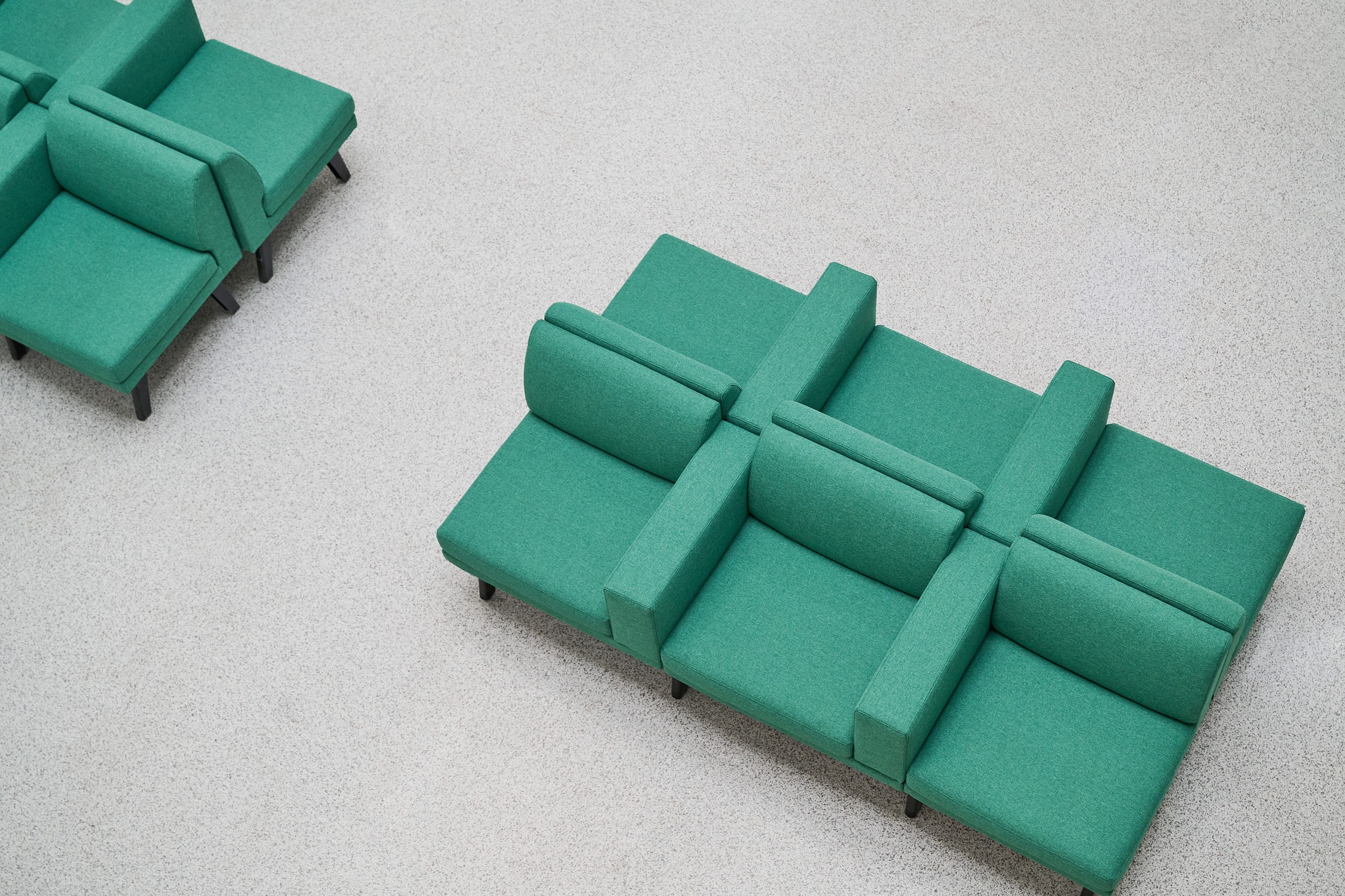
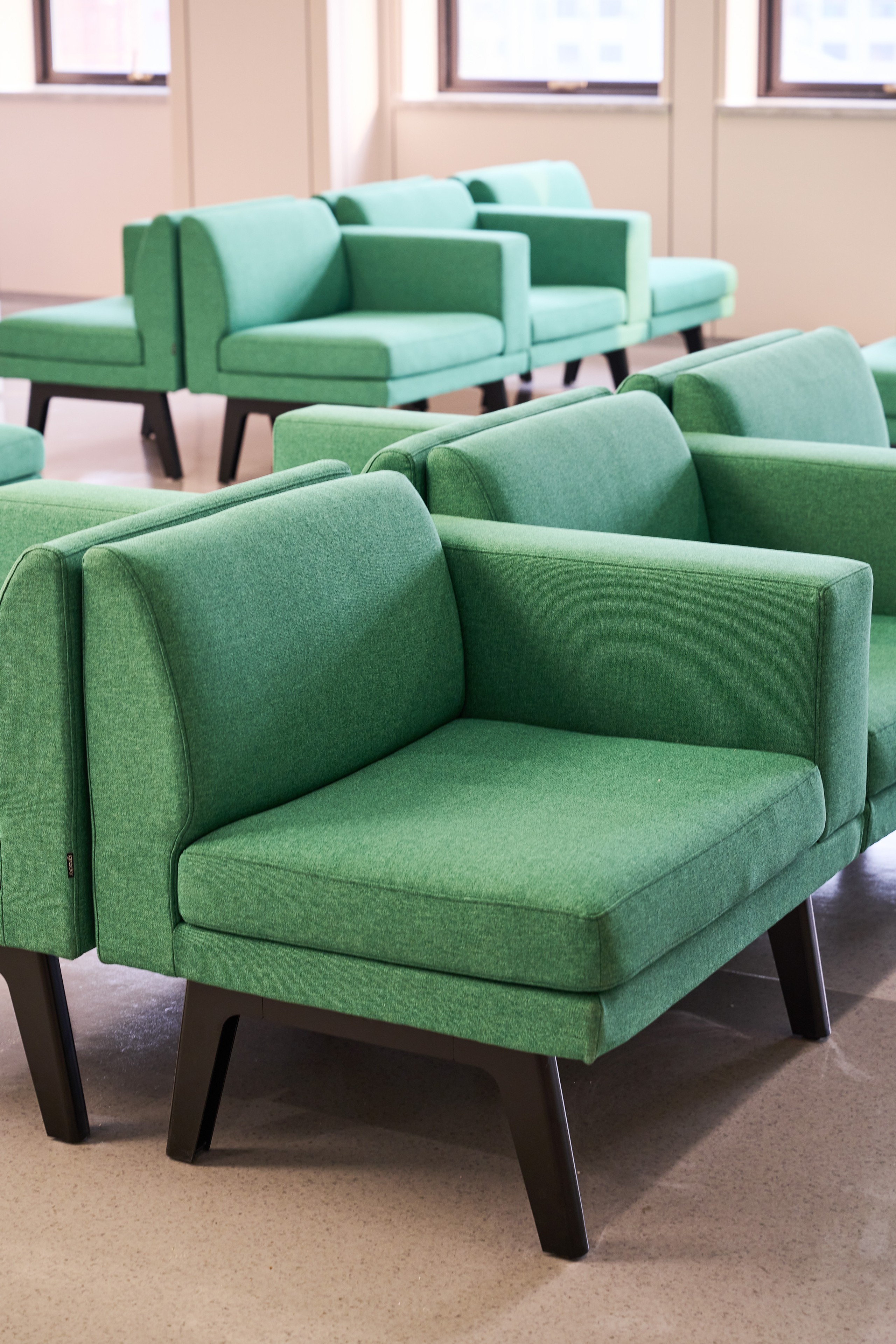
Flow Sofa can extend naturally along architectural edges and circulation routes. Curved, turning, and semi-enclosed layouts define waiting, discussion, lounge, and temporary meeting zones without fixed partitions. Seat, table, and armrest modules can form linear, circular, 90-degree corner, and 135-degree corner layouts. They adapt to windows, corners, islands, narrow zones, and open areas. In irregular spaces that standard sofas struggle to use, Flow Sofa follows the site to reduce leftover gaps and create more effective seating.
Flow Sofa integrates seating, tables, a 360-degree rotating tabletop, and power access into one system. It supports short waits, device charging, temporary work, screen sharing, and small-group conversations, reducing the need for extra side tables, power units, or work furniture while keeping public areas cleaner and more efficient. Different curves and seat orientations create side-by-side, angled, face-to-face, or more independent arrangements. Open layouts encourage group interaction, while staggered and semi-enclosed settings preserve a comfortable sense of boundary. Socializing, waiting, reading, and quiet time can coexist naturally, improving comfort and encouraging people to stay longer.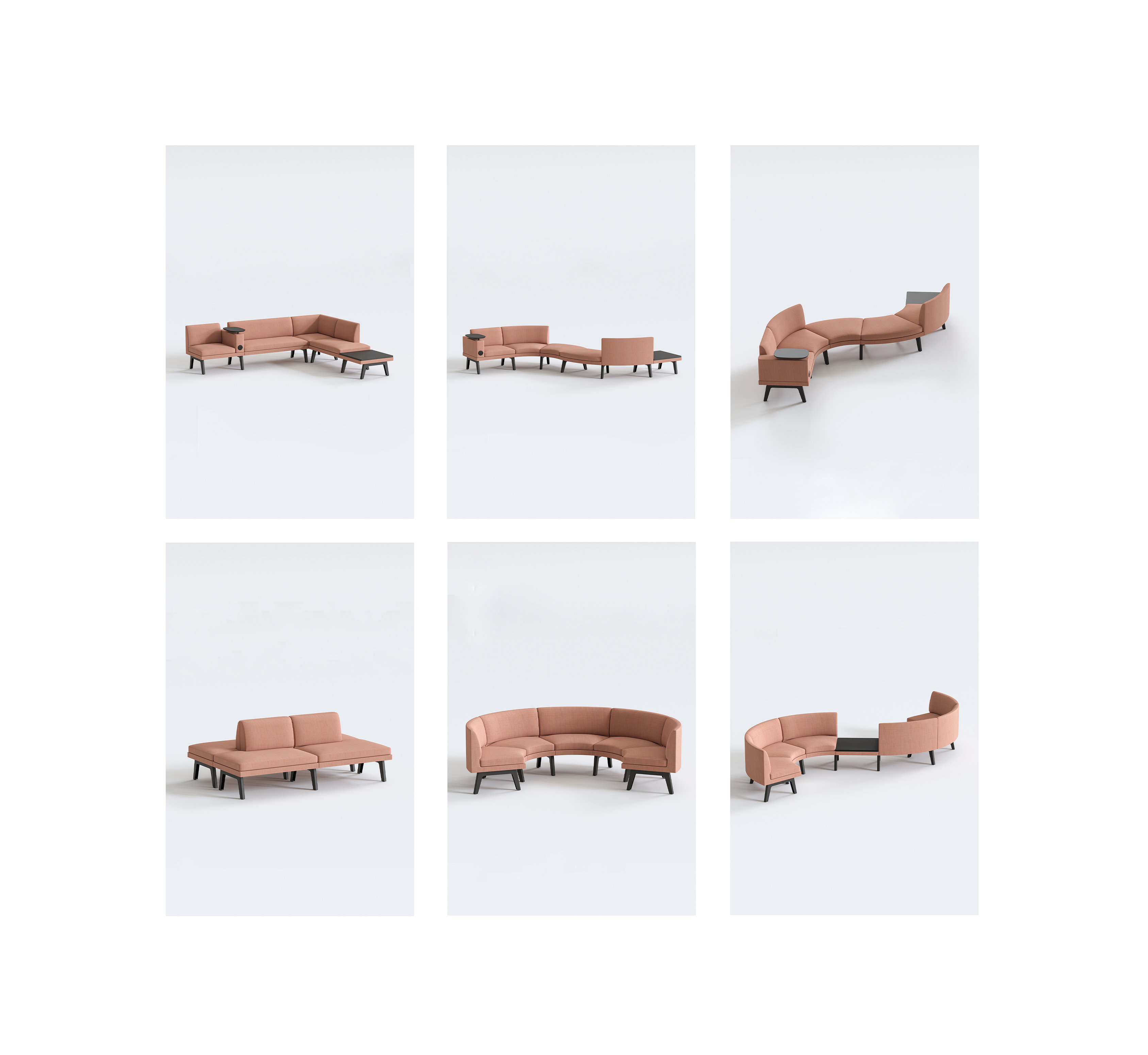
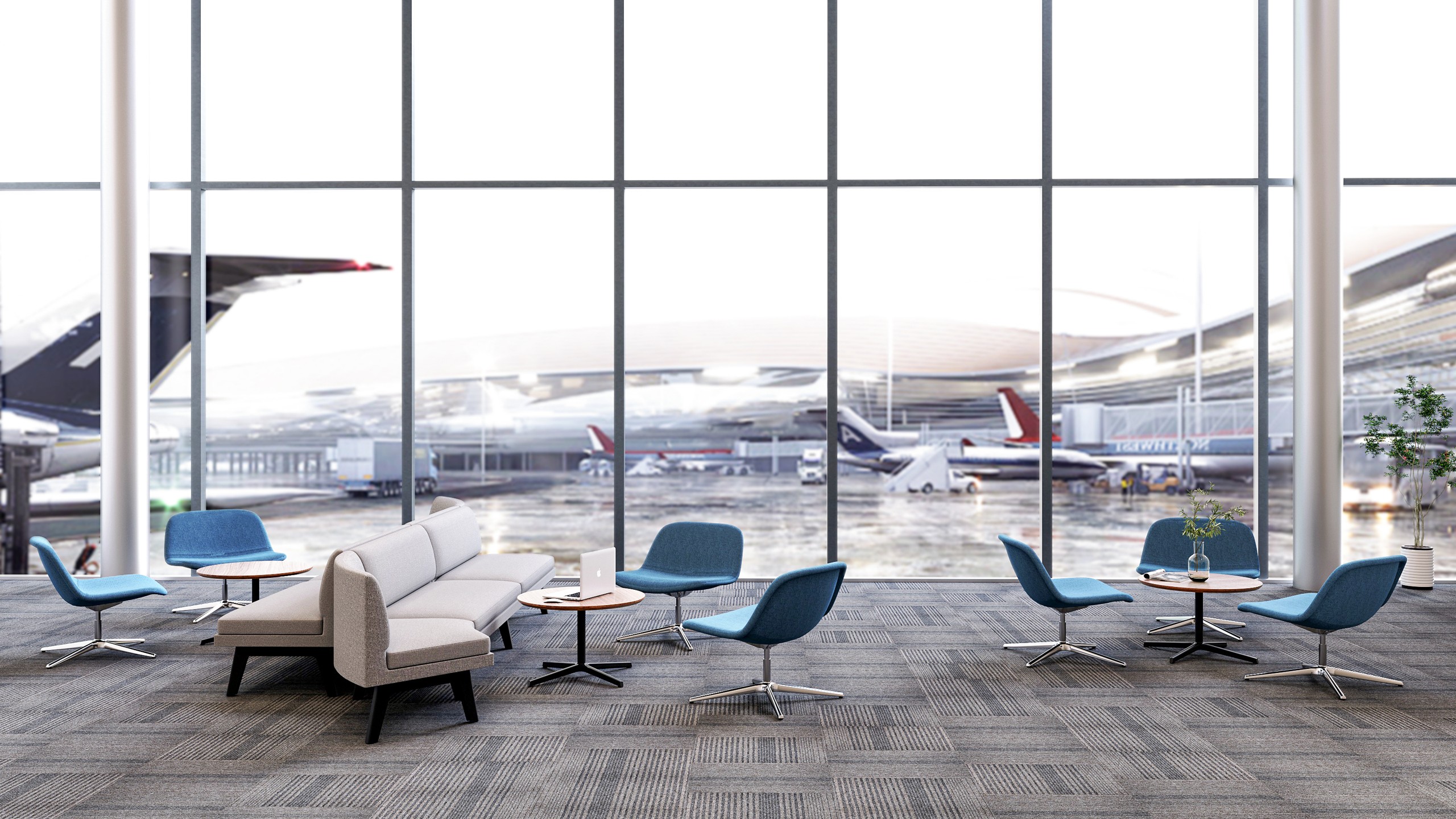
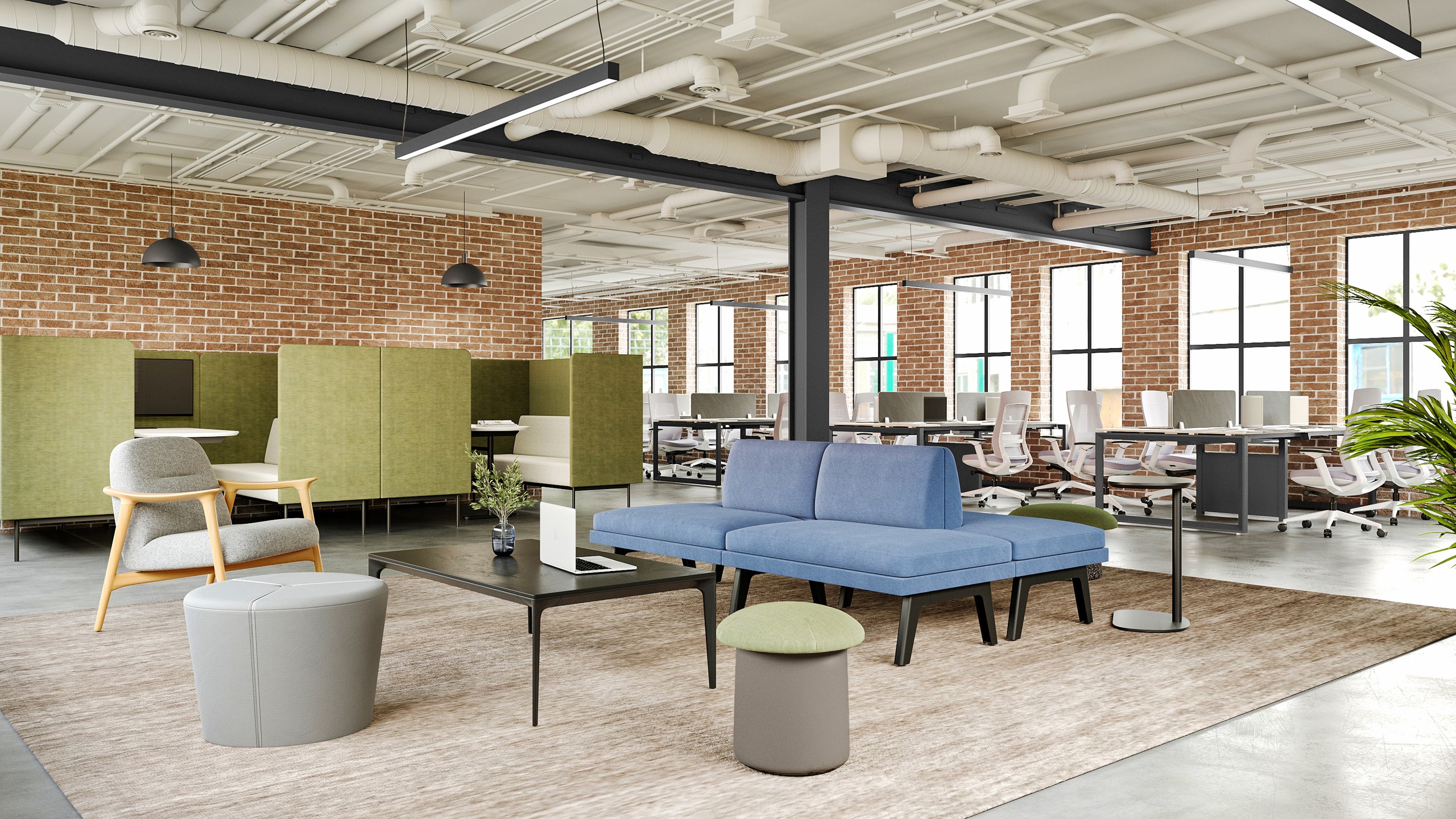
From office reception and coworking spaces to business lounges, airport waiting areas, libraries, healthcare settings, and commercial lounges, Flow Sofa adapts through different configurations. One system can support waiting, conversation, rest, and brief work, improving specification efficiency while keeping the spatial language consistent.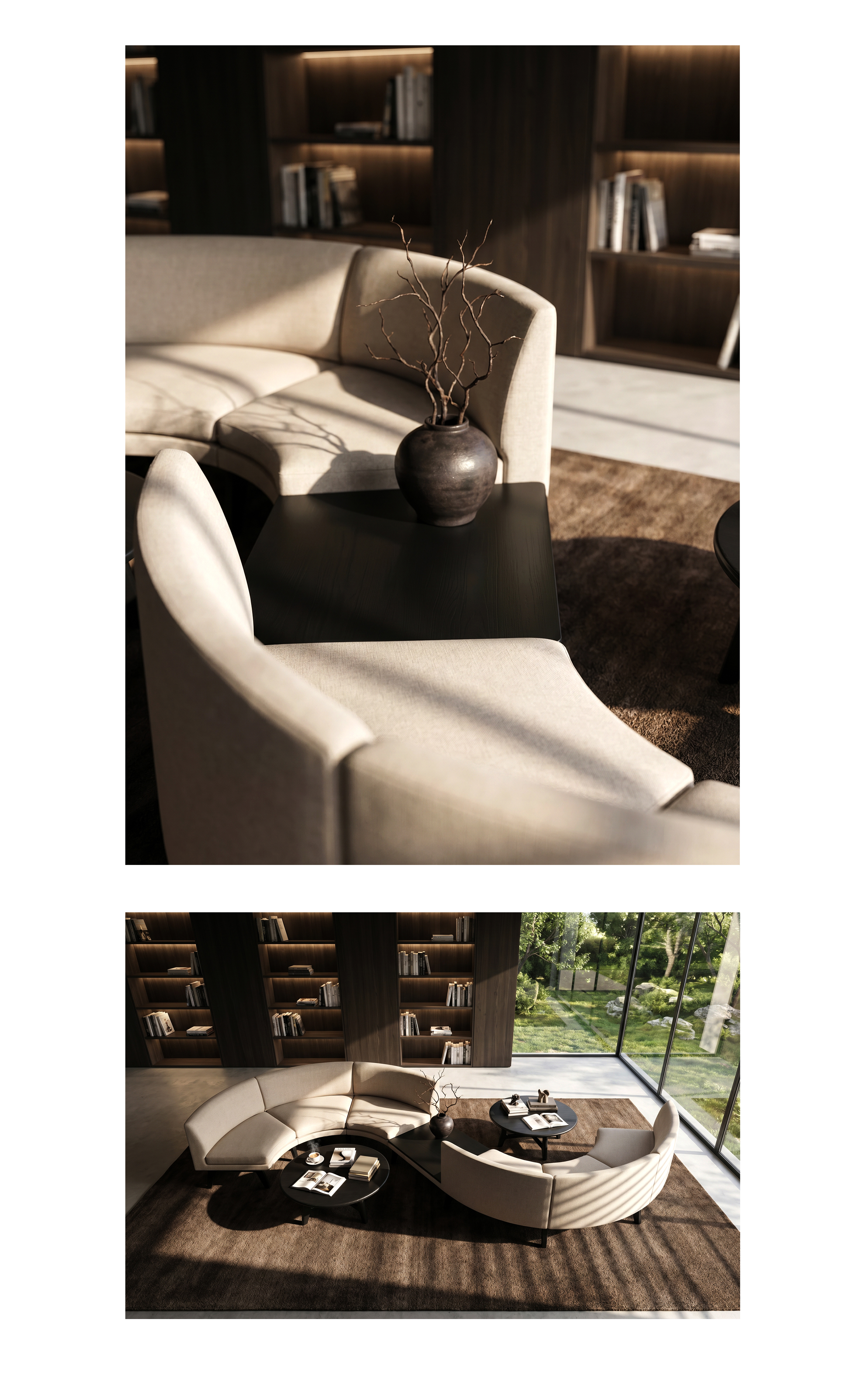
Other Notes