Community-focused design responds directly to this shift. Large venues, once purely functional, are gradually transforming into hybrid spaces that blend socializing, interaction, short stays, and a sense of belonging.
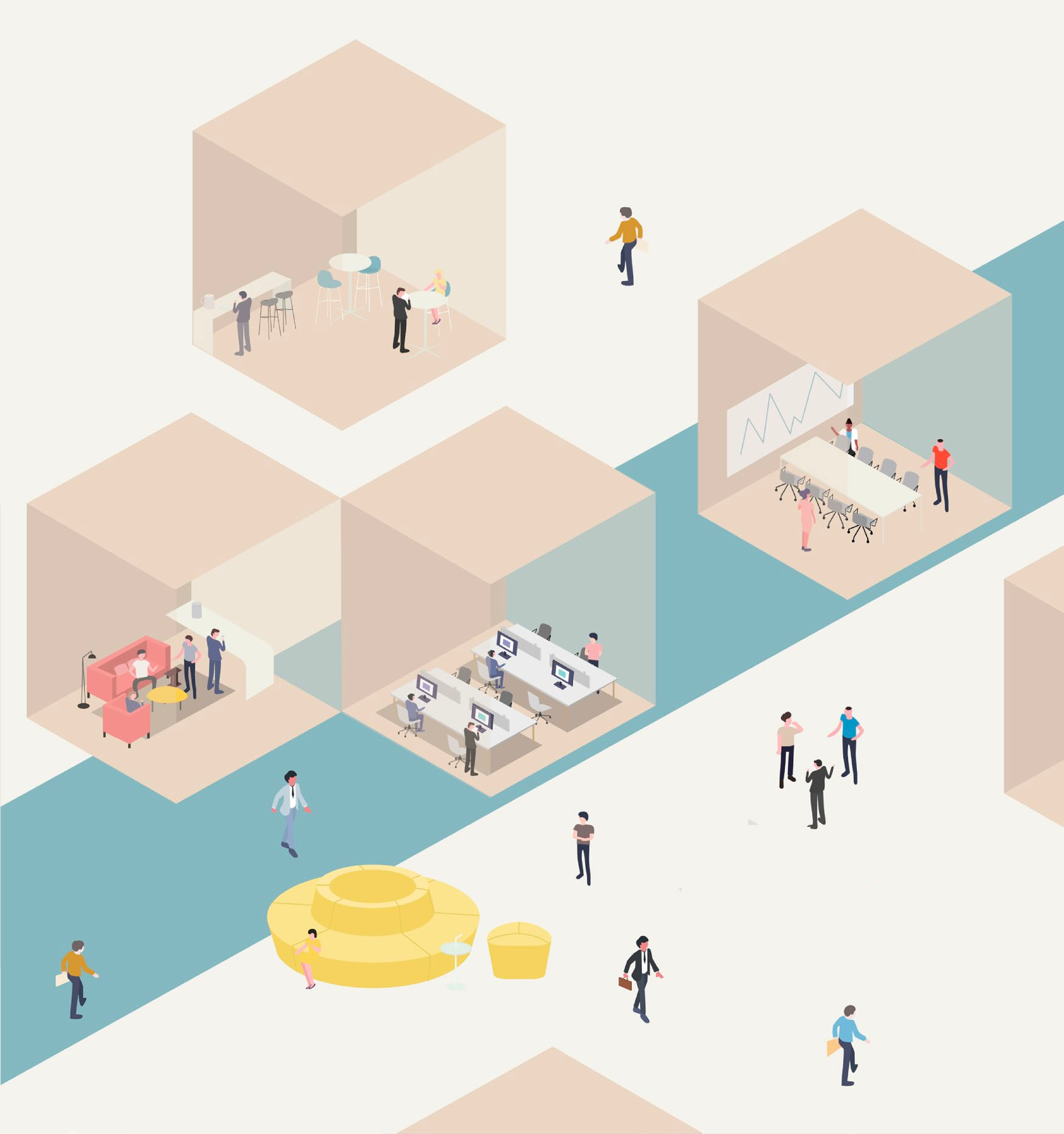
Yet, architectural changes alone can’t achieve this community-driven transformation. What truly shapes user behavior is the first point of contact between people and space: furniture. The role of furnishings is evolving—from filling space to sparking social interactions. Thoughtful furniture layouts create scenes that transform every public corner into a potential living space.
.gif)
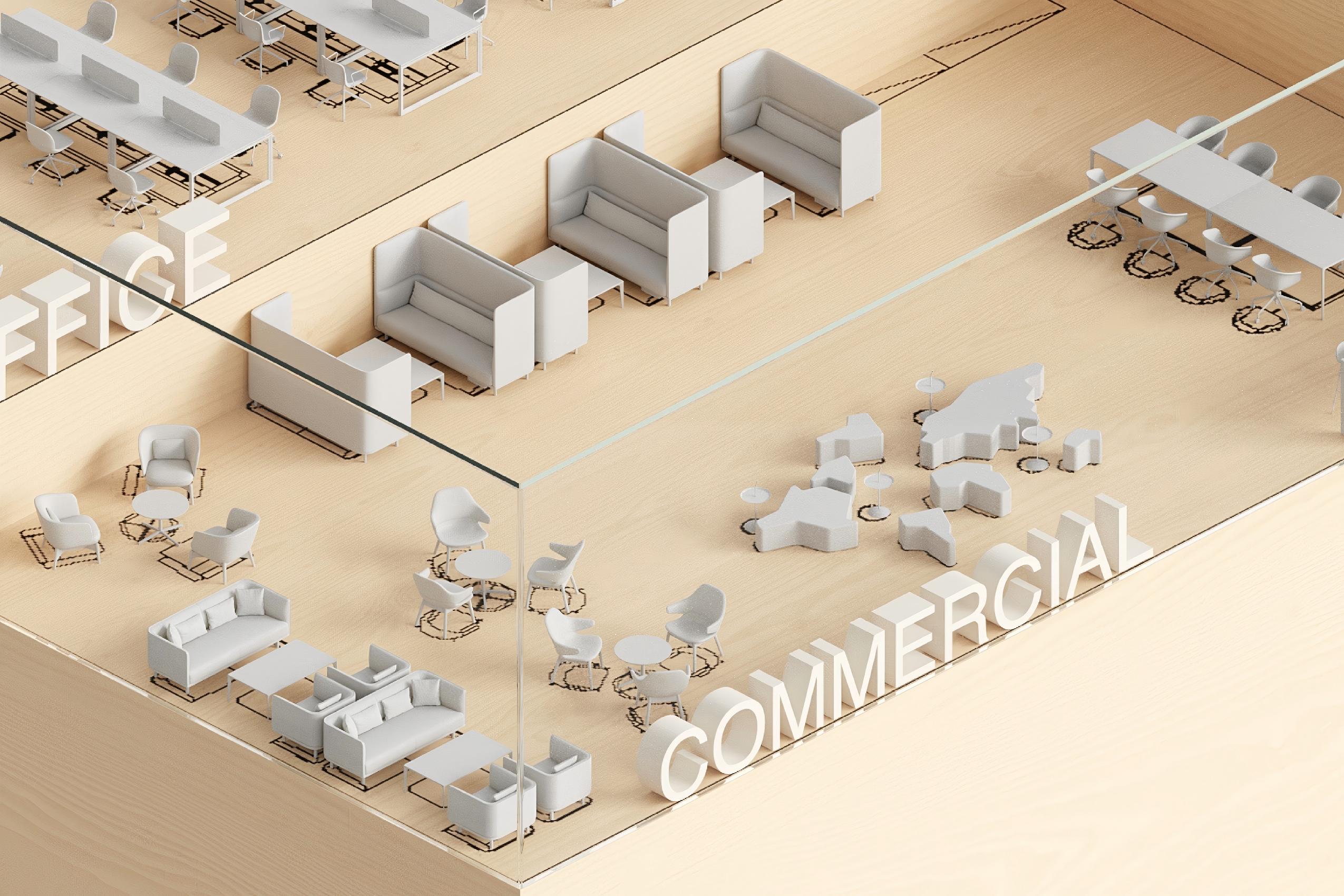
GRADO Six Community Space Typologies
#Airports: From Efficient Transit Hubs to Temporary Social Spaces
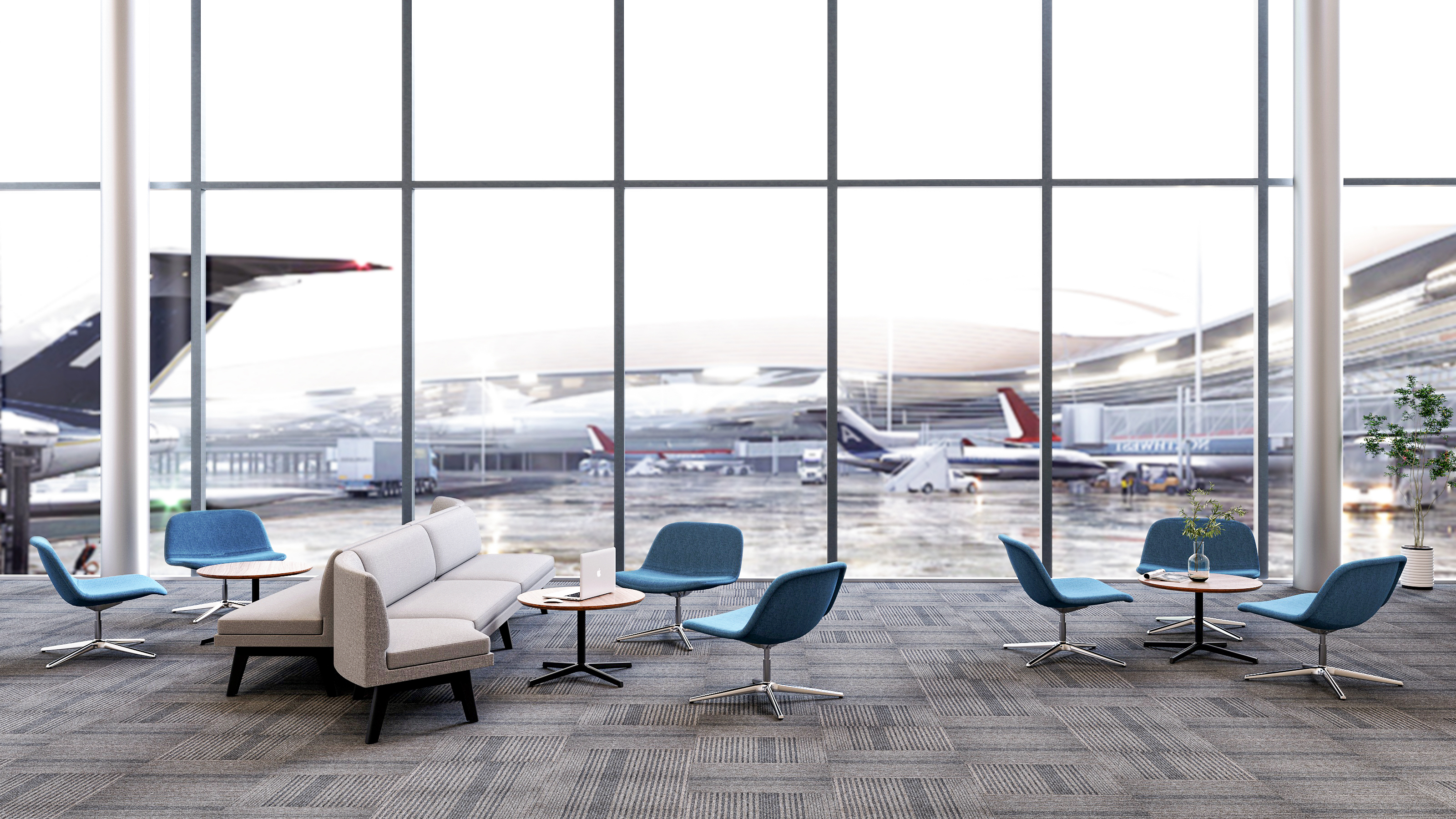
Airports, with their dense crowds and flexible dwell times, represent prime territory for community-style transformation. The key lies in turning passengers' "in-between moments" into authentic, valuable social time. This demands spaces that accommodate diverse behaviors: silent reading, remote work, family bonding, or maybe play roles like a spot for spontaneous collaboration and conversation break.
The core of socialized airport spaces is to further redesign waiting zones into multiple distinct, inviting and approachable micro-spaces through intentional furniture planning. By creating intimate settings through furniture, it fosters initial social connections between strangers—airports can spark fleeting yet meaningful community experiences.
#Shared Waiting Zones
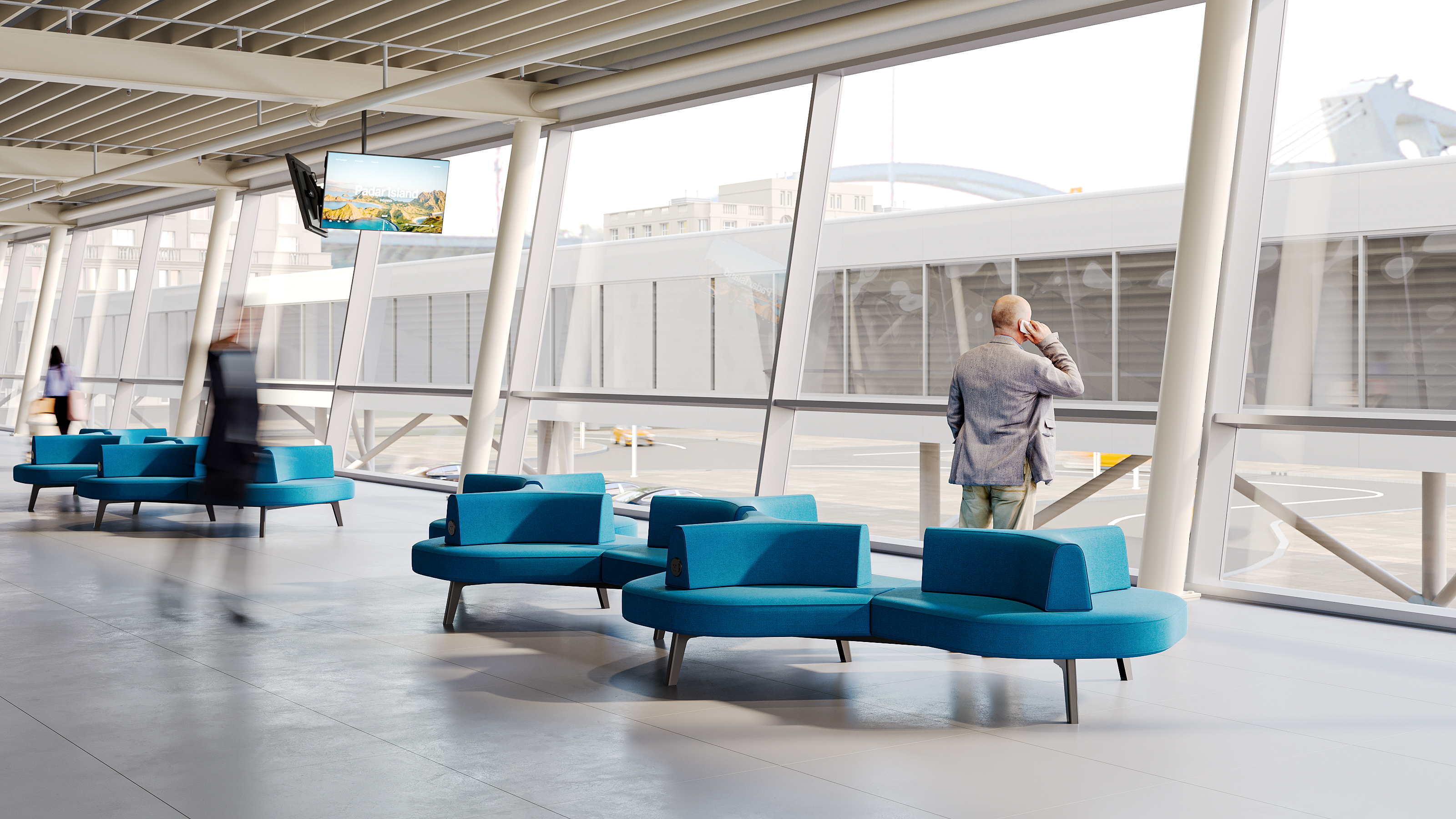
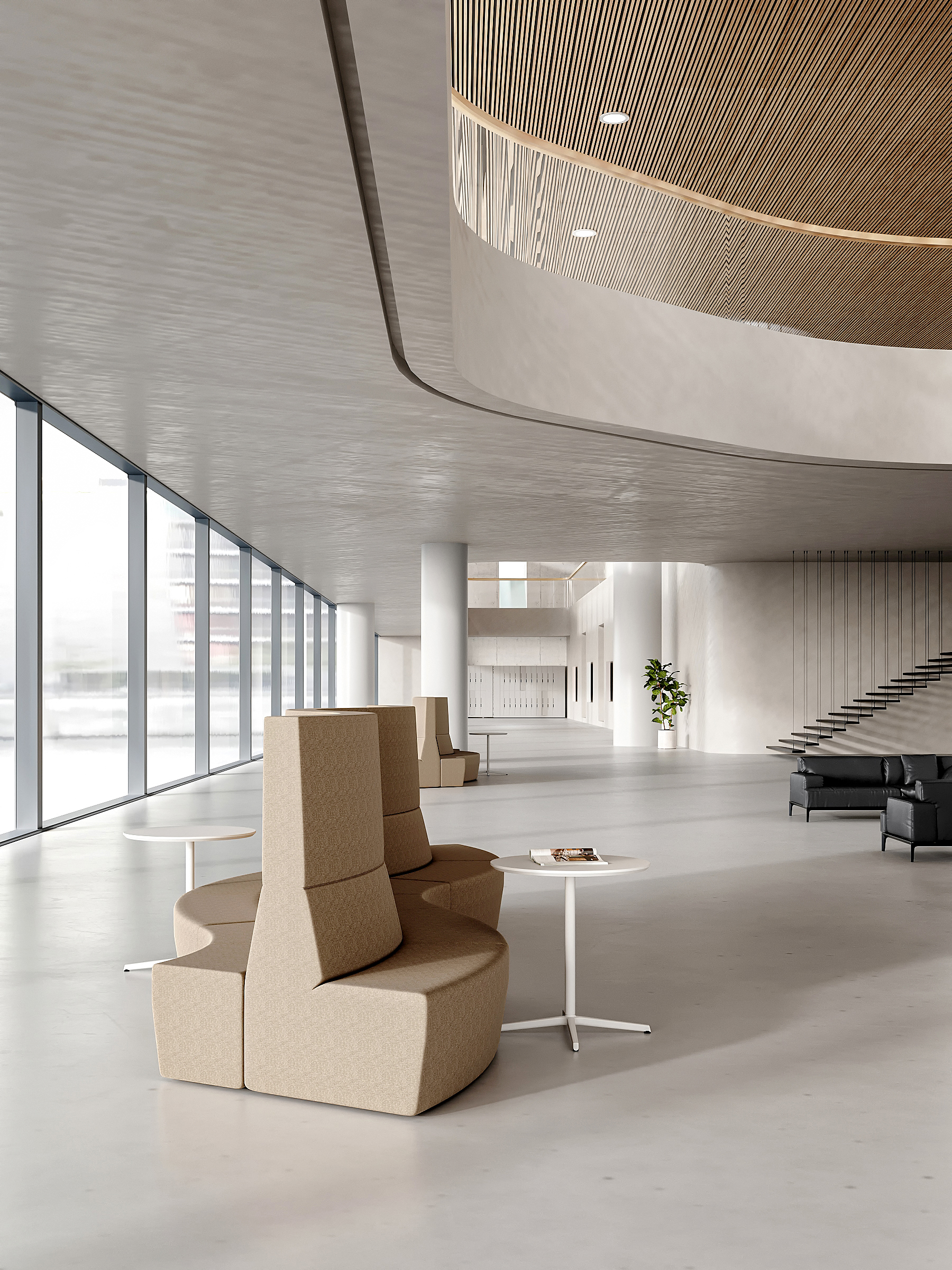
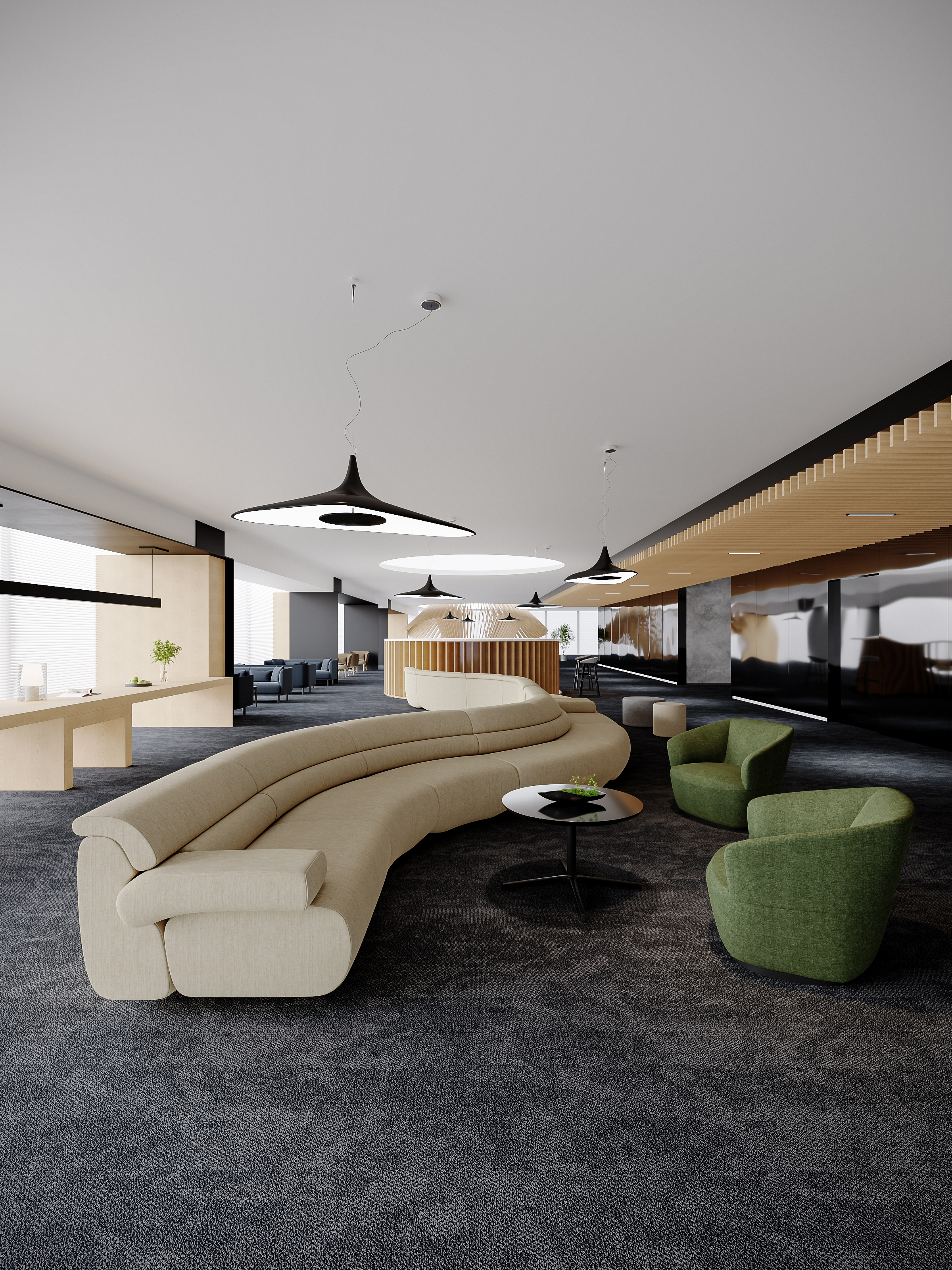
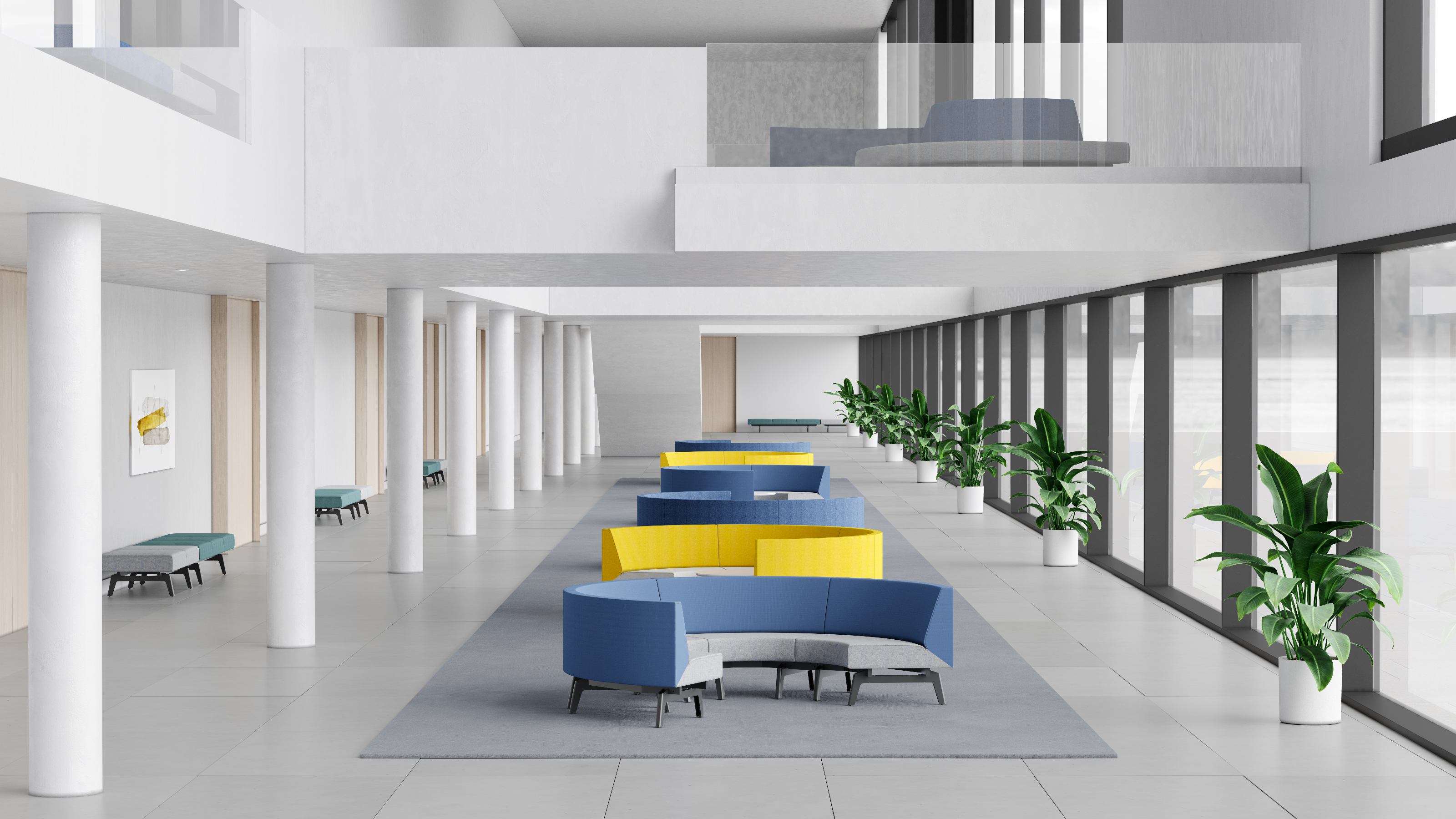
Shared Waiting Zones: Curved sofas and side tables adapt from intimate pairs to groups of six, inviting relaxed interaction among passengers with time to spare.
.jpg)
.jpg)
.jpg)
.jpg)
#Group Interaction Zone
Groups—especially families--require environments that foster both social connection and a sense of safety. Their needs are multifaceted: parents look for spaces that support companionship and supervision, while children need areas that allow for movement and play. Conventional linear seating fails to support these layered interactions.
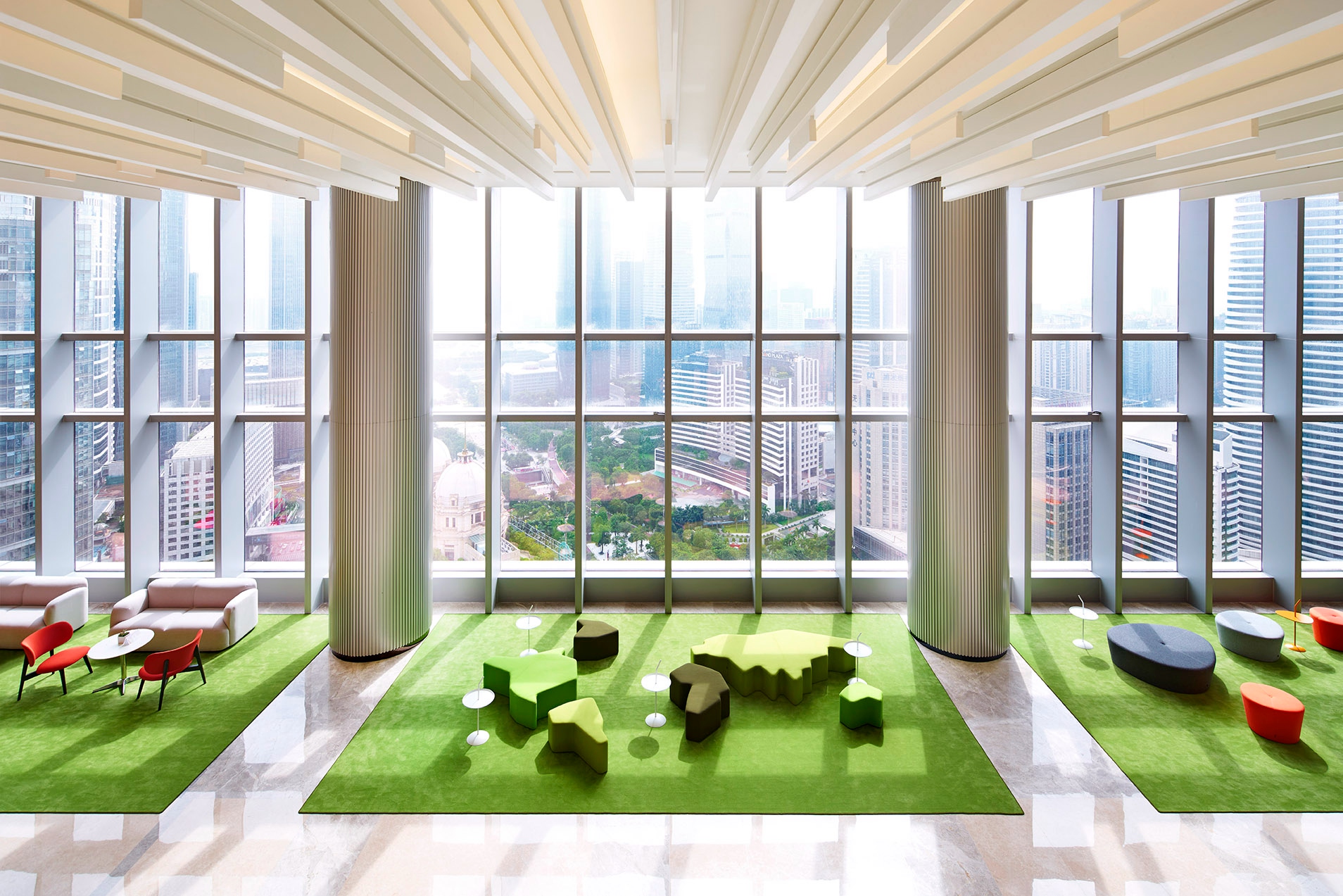
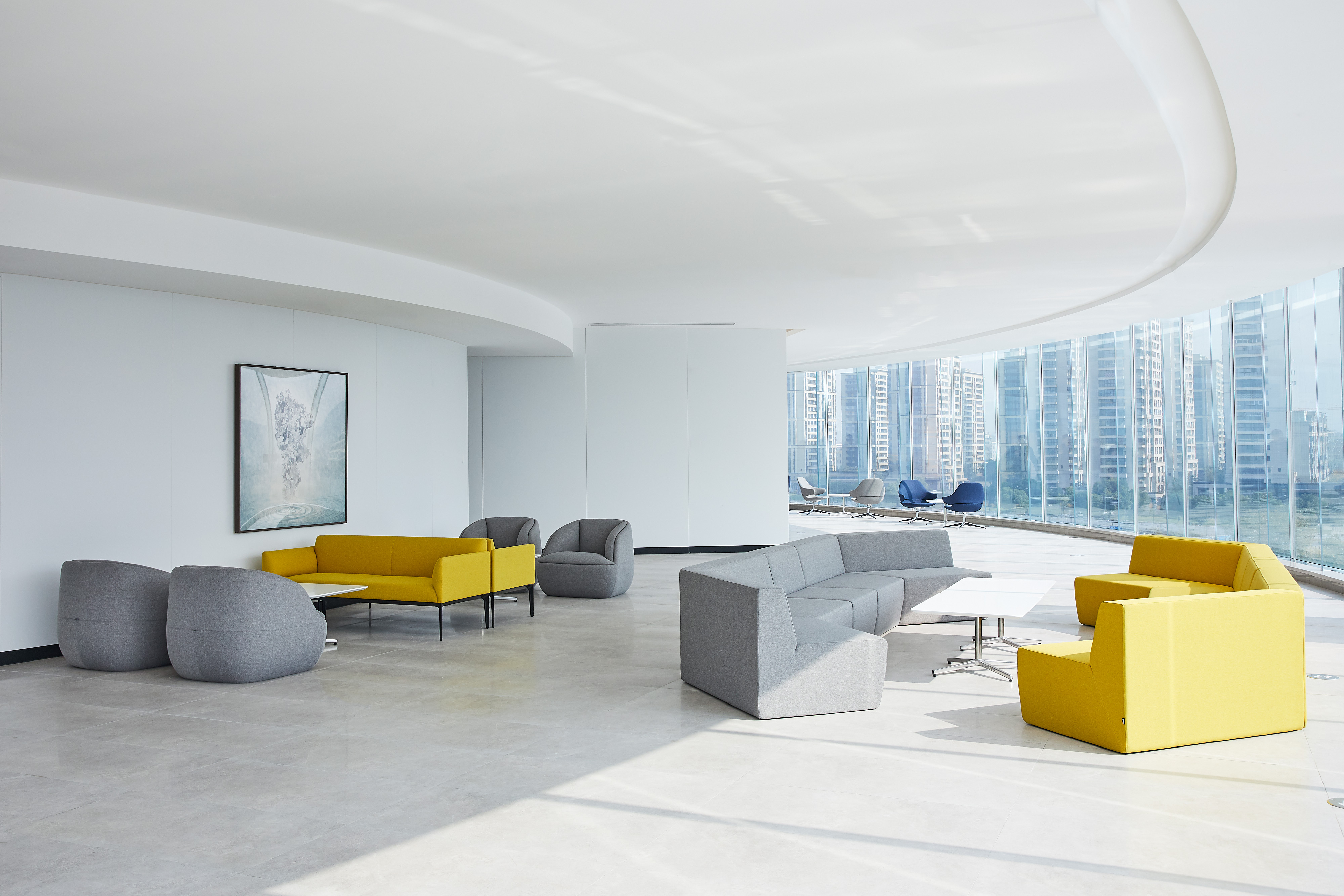
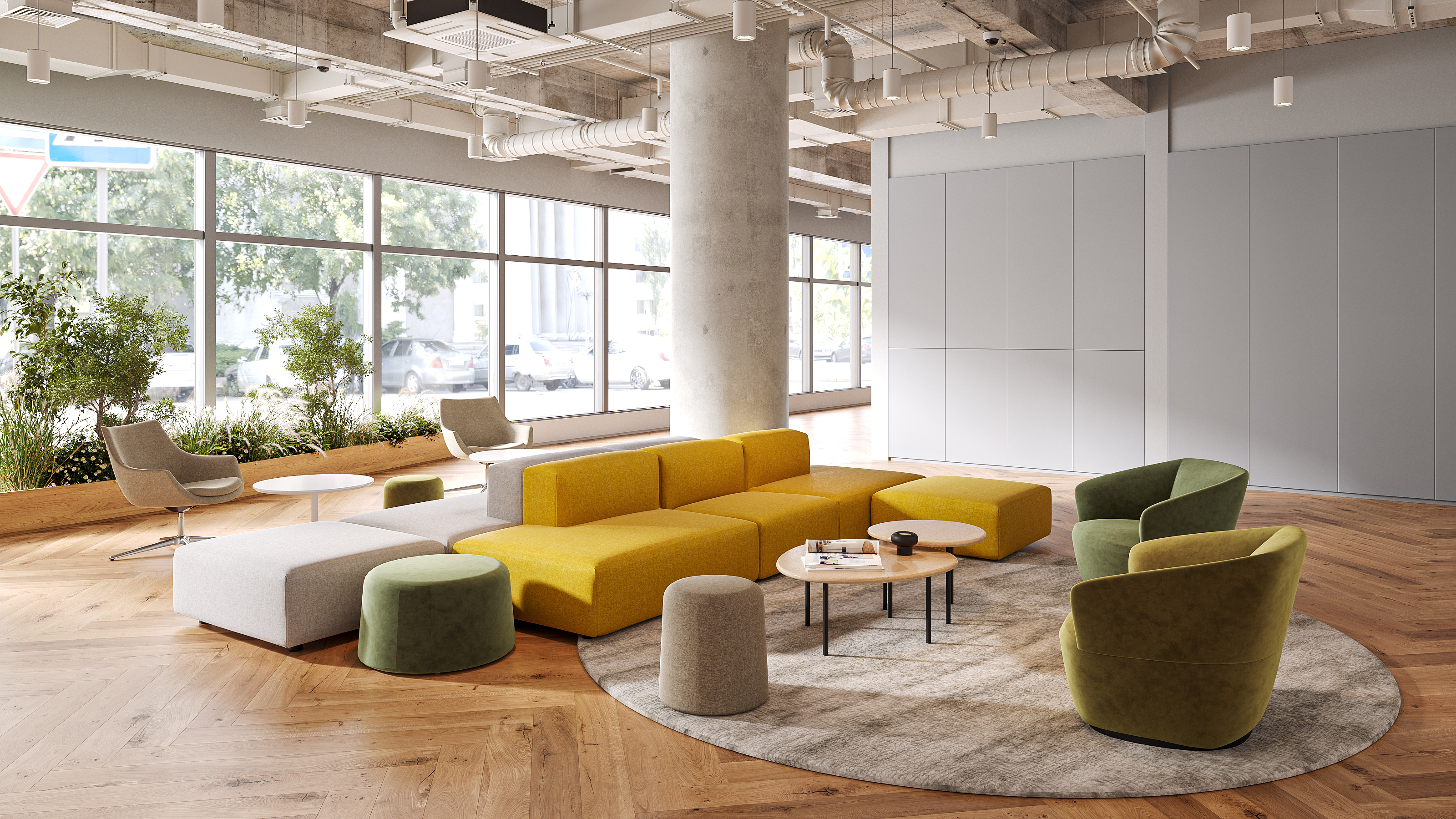
A thoughtfully designed setting using area rugs, low-profile modular sofas, and rounded-edge tables creates approachable, visually connected zones that encourage natural interaction. These micro-environments act as informal gathering hubs within the public space.
Modular sofa elements can be reconfigured into enclosed, island-like, or linear arrangements—accommodating both individual retreat and group engagement. This flexible layout encourages spontaneous socialization among family groups or traveling companions, while offering comfort and visibility within a shared space.
.jpg)
.jpg)
.jpg)
#Reading Lounge
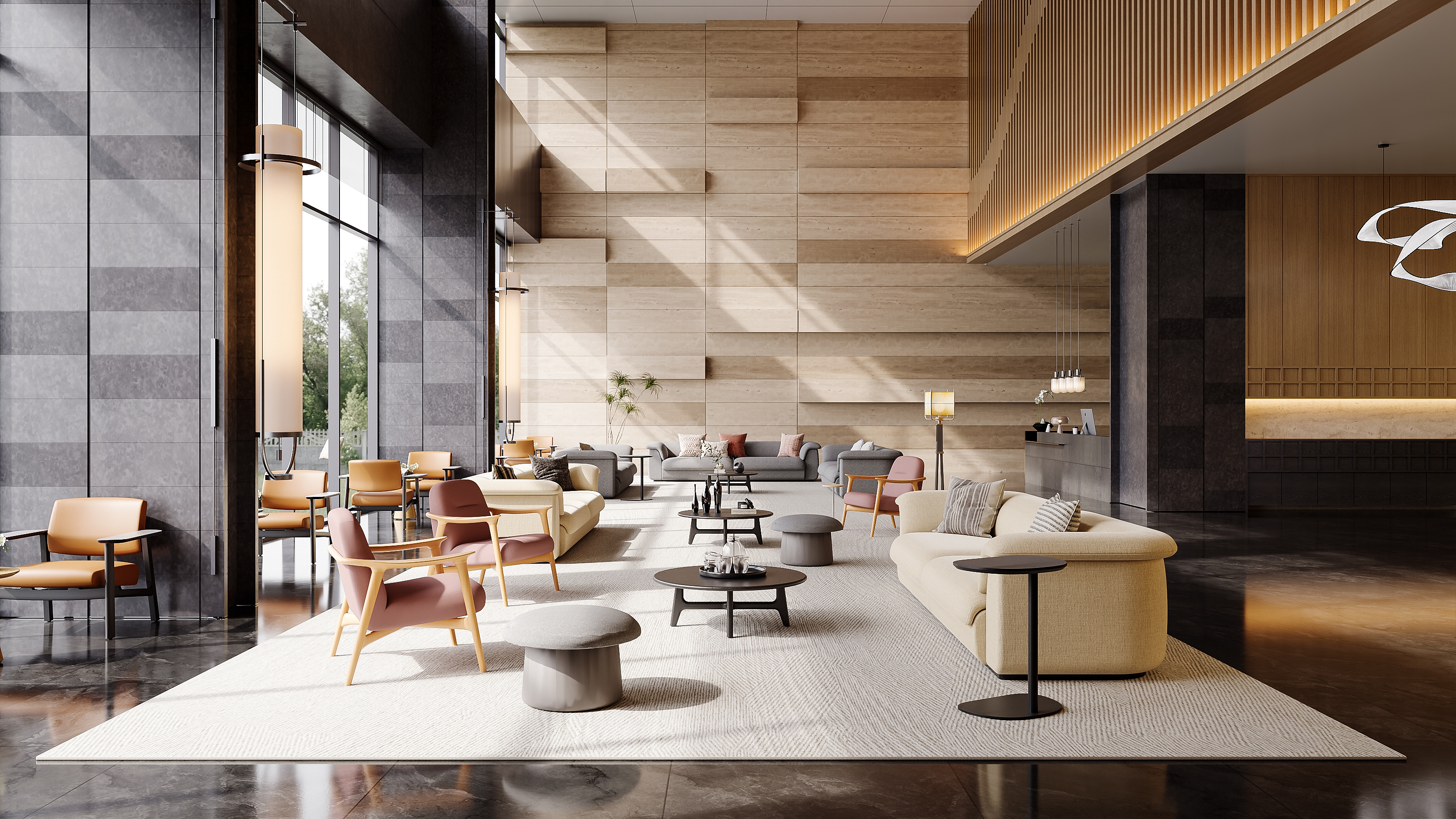
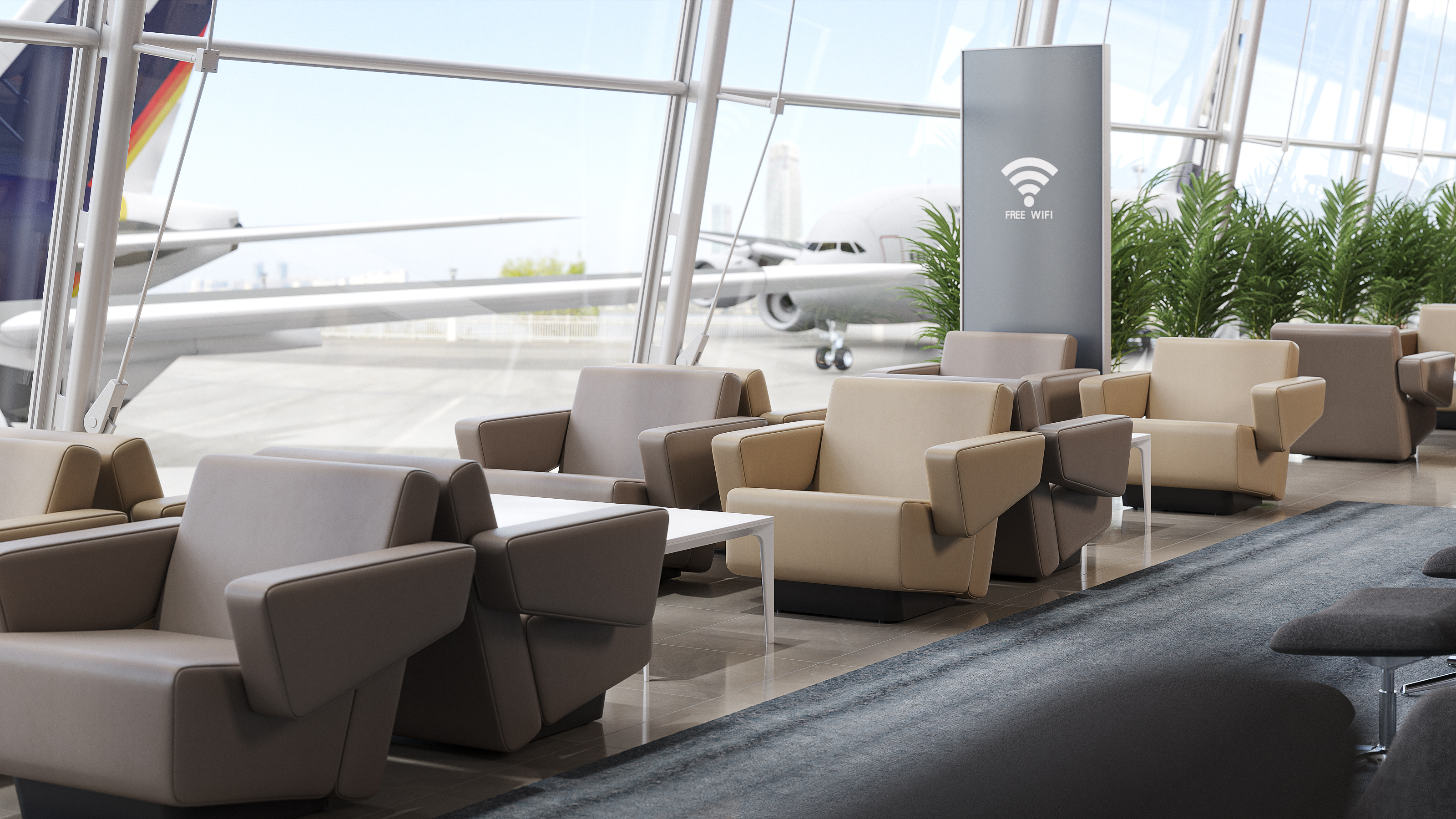
As a key touchpoint for frequent travelers, the reading lounge plays a vital role in maintaining both productivity and personal focus. This area typically supports light work activities such as reading, video calls, document editing, and replying to emails. As a result, it demands a higher degree of privacy, stability, and ergonomic support compared to standard seating zones.
Furniture planning in this space can draw inspiration from coworking principles while intentionally avoiding spatial density or visual pressure. Highback chairs with integrated power outlets, paired with compact work surfaces or side tables, offer essential support for mobile working. Sofa systems should include embedded power modules to accommodate temporary work needs. For moments of rest and emotional reset, enclosed lounge chairs with side-mounted reading lamps provide a more personal and calming experience.
.jpg)
.jpg)
.jpg)
.jpg)
.jpg)
#Private Lounge
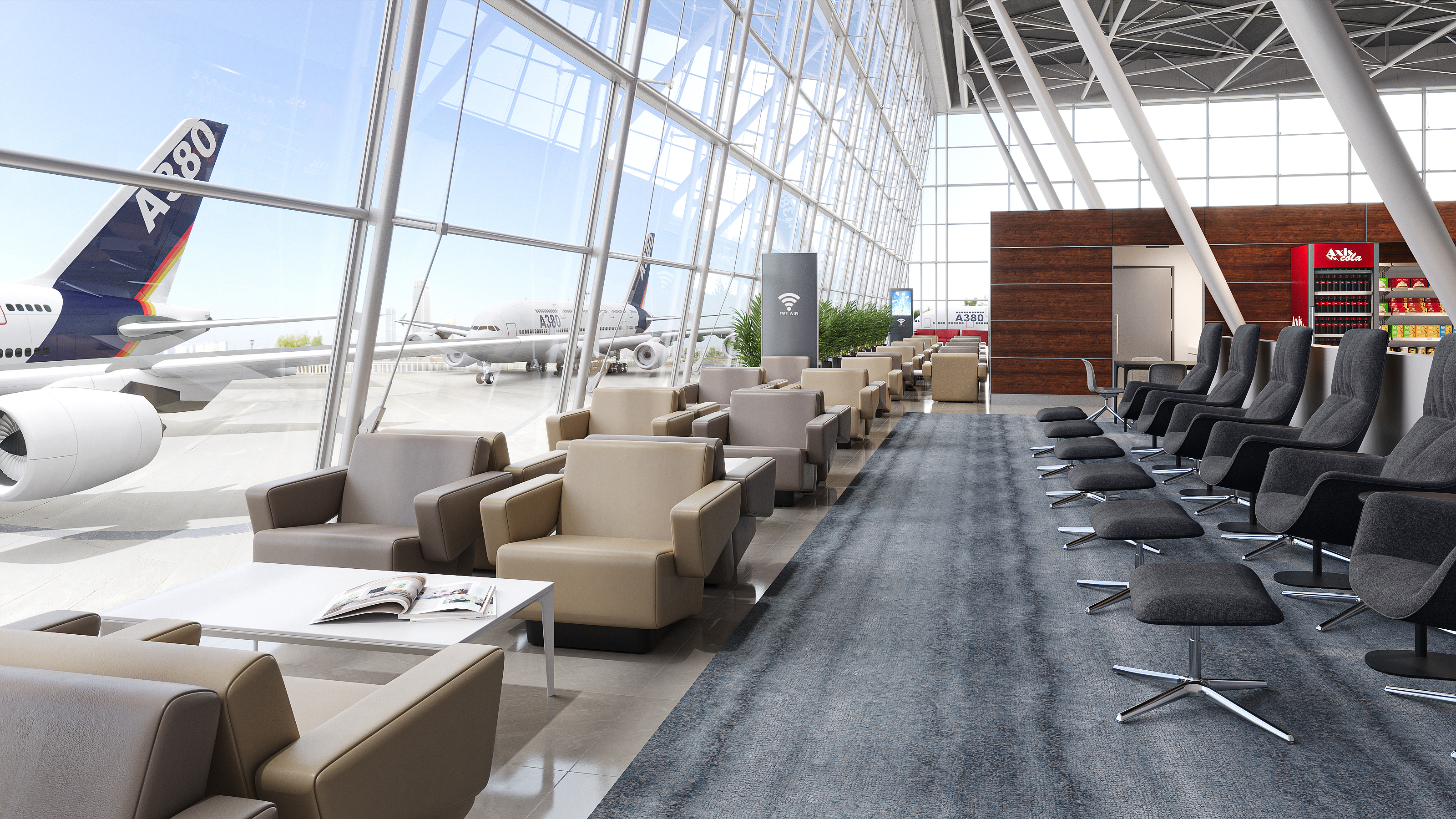
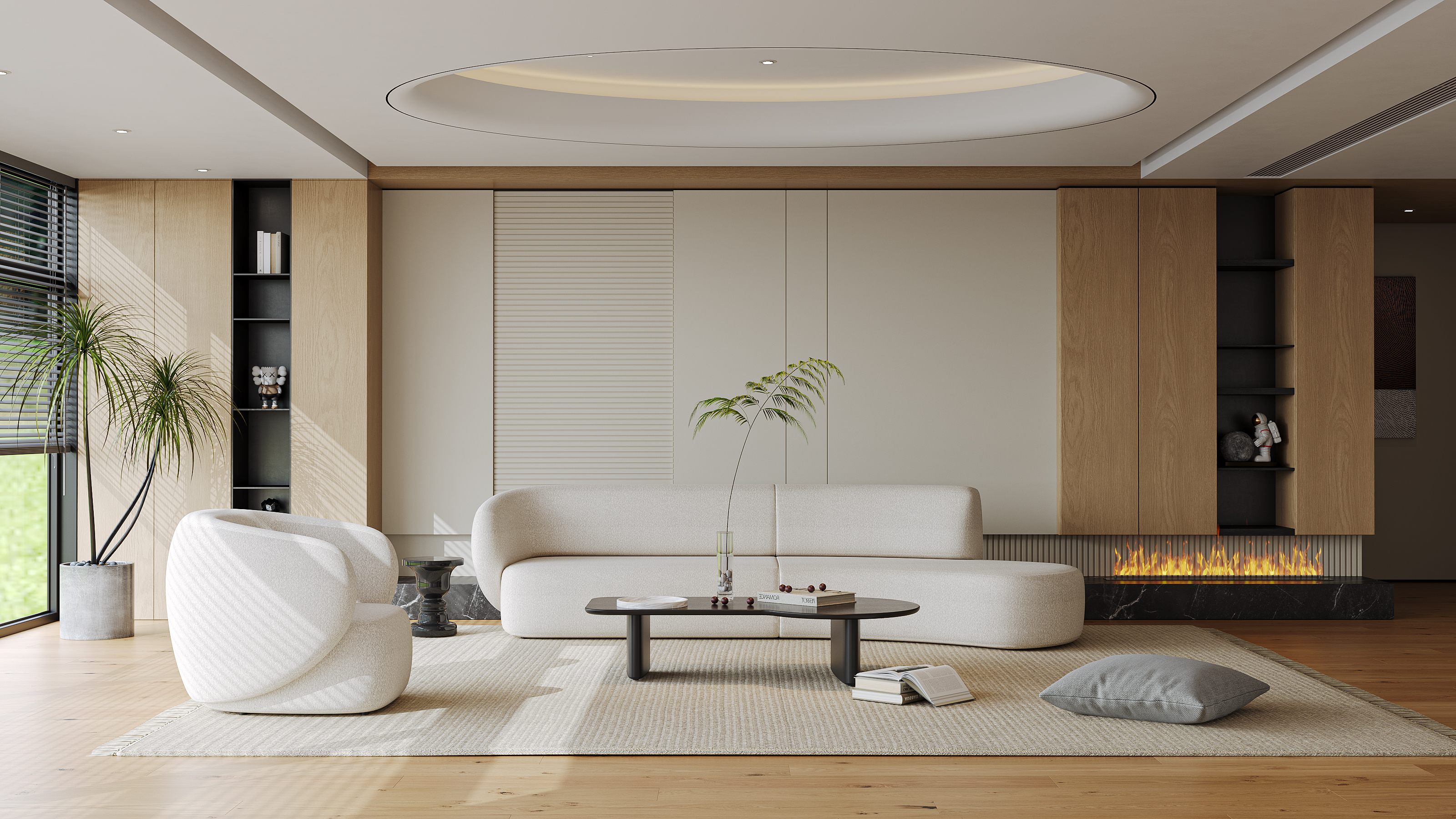
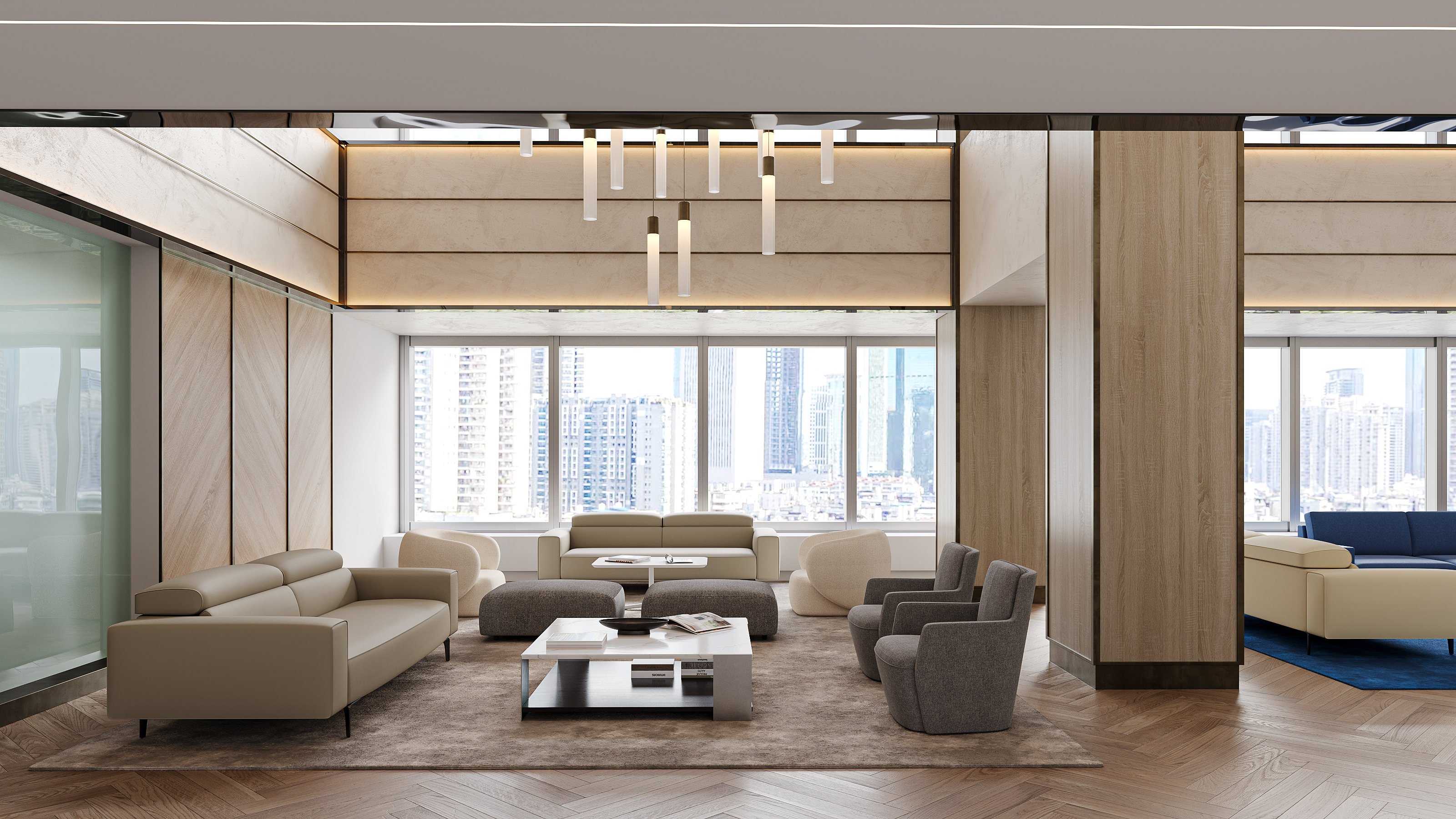
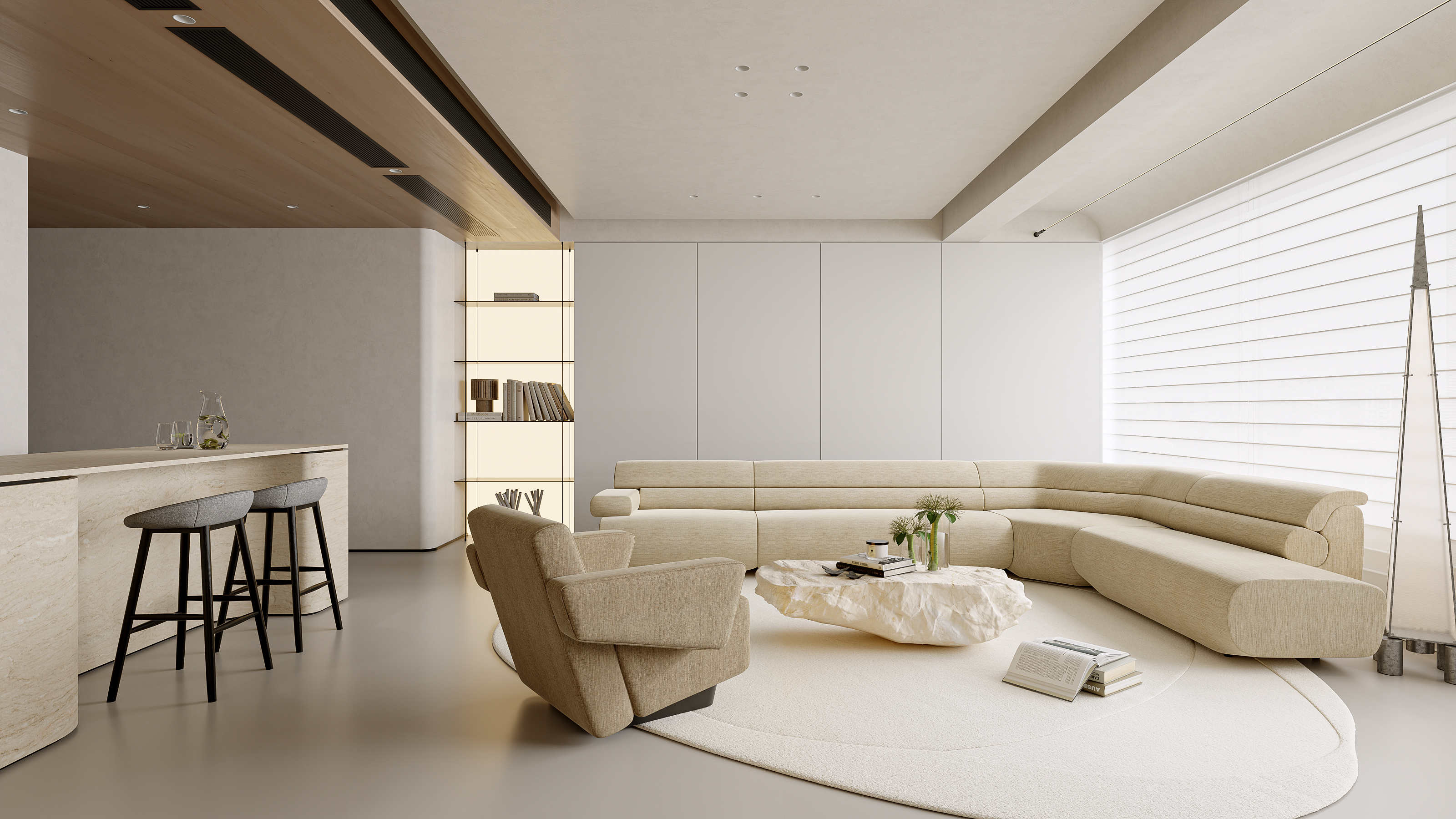
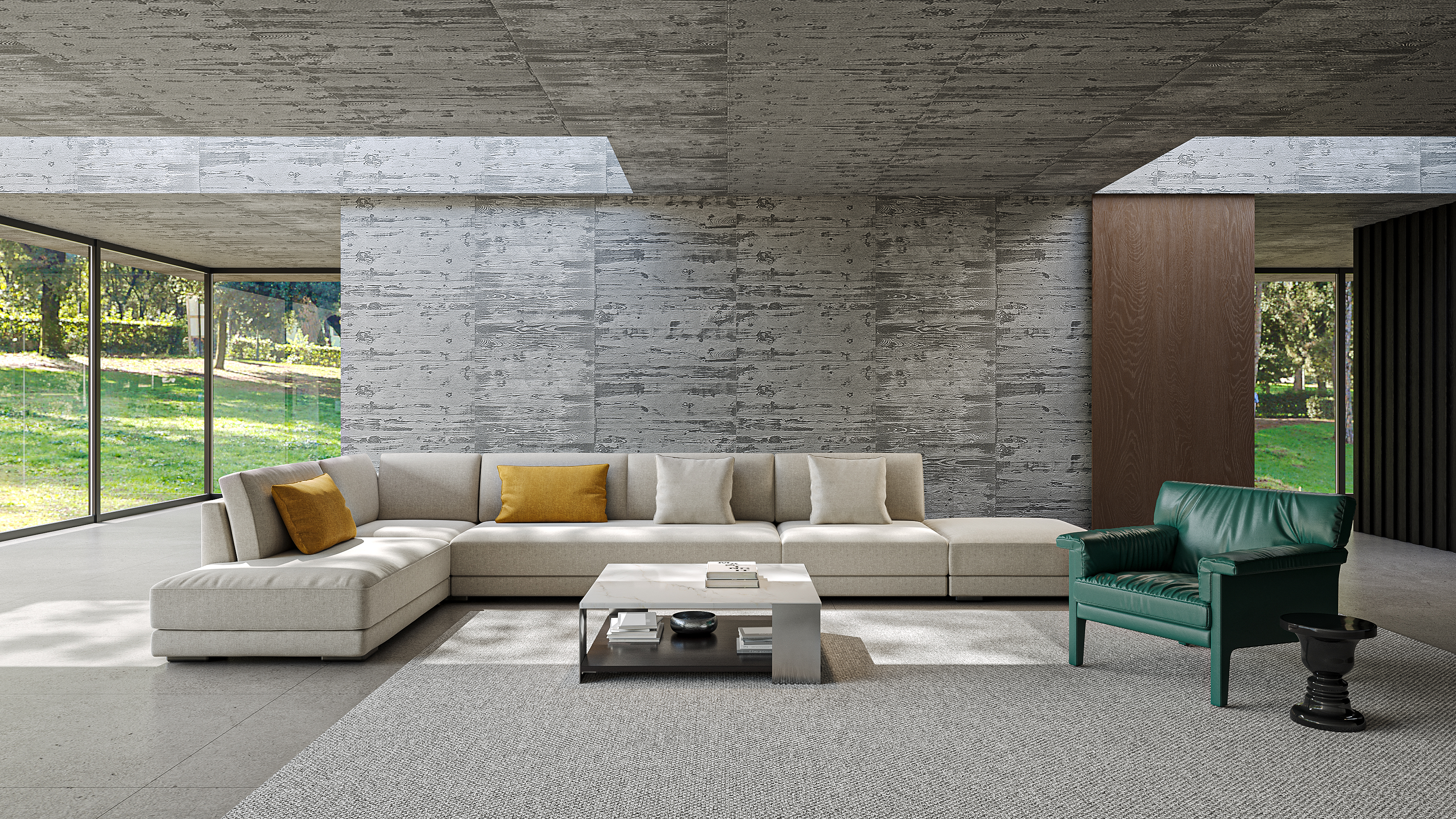
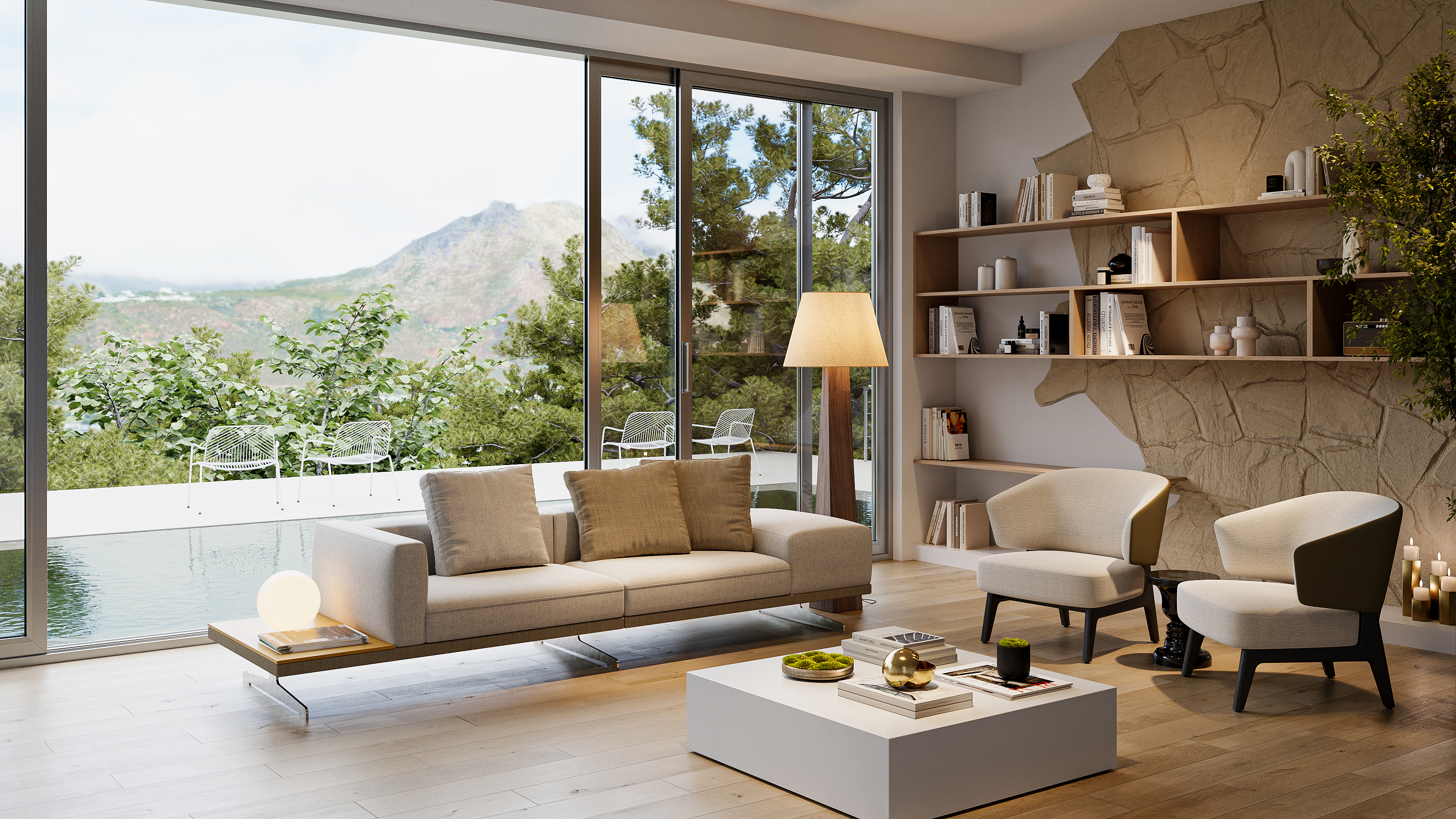
The private lounge within the airport functions as a quasi-community space — serving not only as a site of personal restoration, but also as an identity marker, an information exchange hub, and an extension of airline branding. Furniture must carefully balance functionality, social interaction, and privacy.
Soft leather or textile lounge chairs, complemented by 2-4 seat sofa clusters and mid-height coffee tables, support casual conversations and temporary meetings. Side tables in metal or marble finishes allow for seamless transitions between relaxation, business discussions, remote work, or light dining.
.jpg)
.jpg)
.jpg)
#Toward a More Human Airport Experience
The future of airports is not just about speed — it's about meaningful pauses, higher-quality dwell time, and memorable spatial experiences. If public zones remain anchored in rigid functional divisions and closed-off efficiencies, they may fall short of fulfilling people’s deeper desire to reconnect in everyday life.
Furniture, as the most immediate point of contact between people and space, should serve as a foundational element for community-building. It is through these thoughtfully designed "sofa islands" that travelers can create brief yet lasting memories in transit.
GRADO 25SS NEW: Sculptural Curves Inspired by Nature
HAMMERHEAD SHARK CHAIR
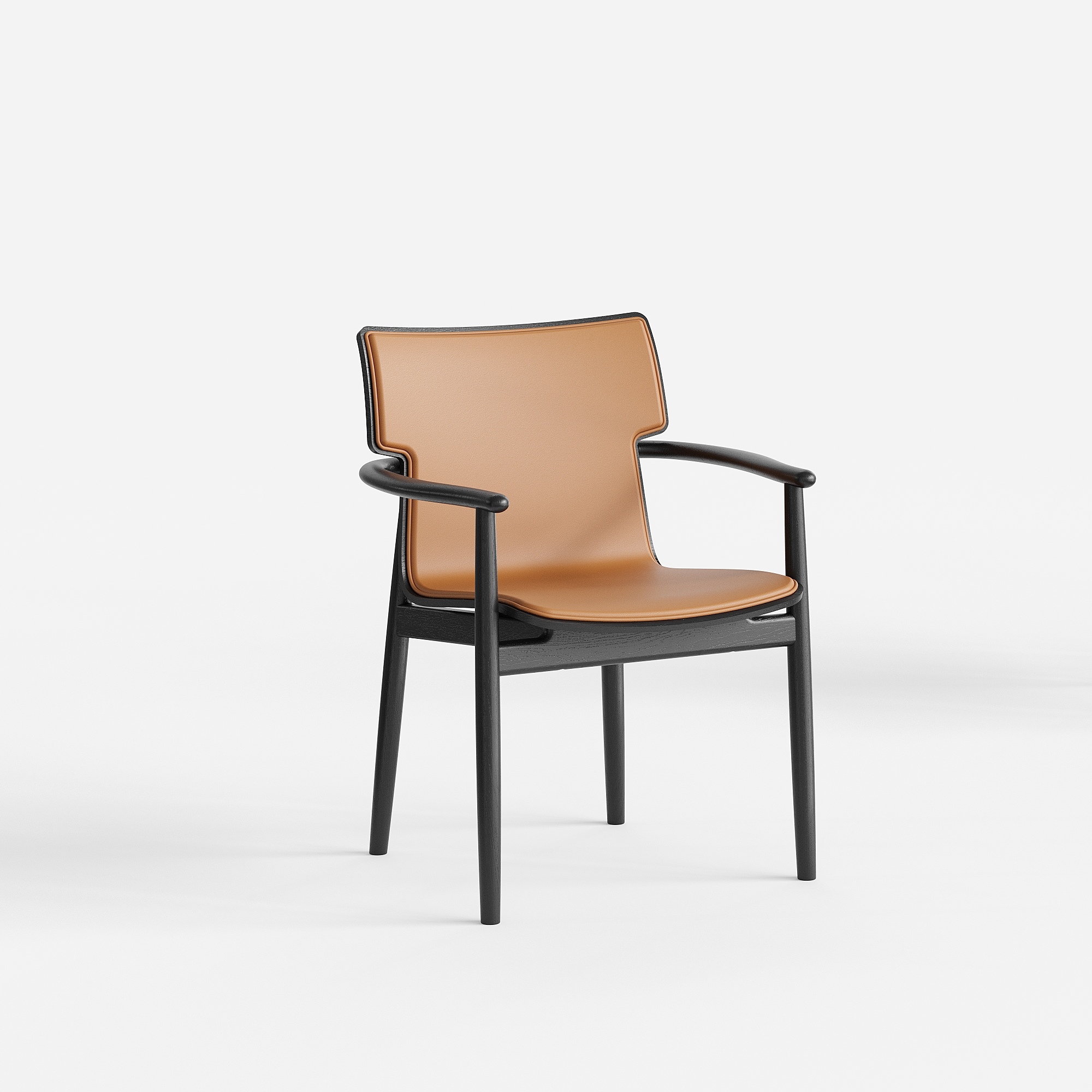
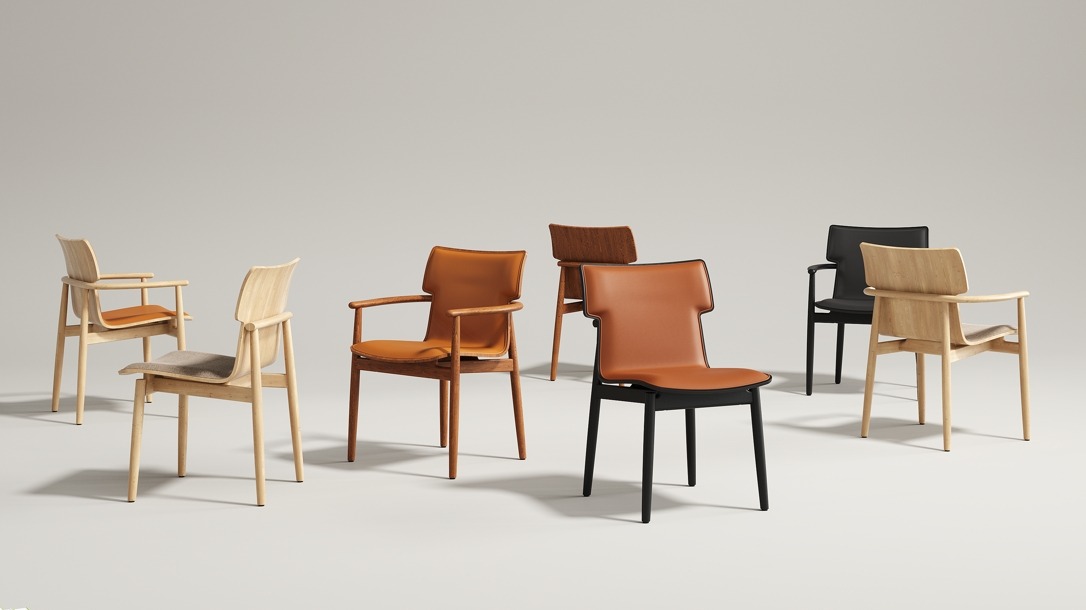
Hammerhead Shark Chair is a new series of curved wood chairs developed by GRADO for commercial and office spaces. Inspired by the endangered species of hammerhead shark, it aims to awaken people to protect the marine environment and ecology. The designer applied the iconic head shape of the hammerhead shark to the shape of the backrest, making it full of personality and highly recognizable in the space. The staggered relationship formed by the upward-extending footrest and the curved wood board is a breakthrough innovation in the upper and lower structures of trad.
Designers Introduction